
Vegetables
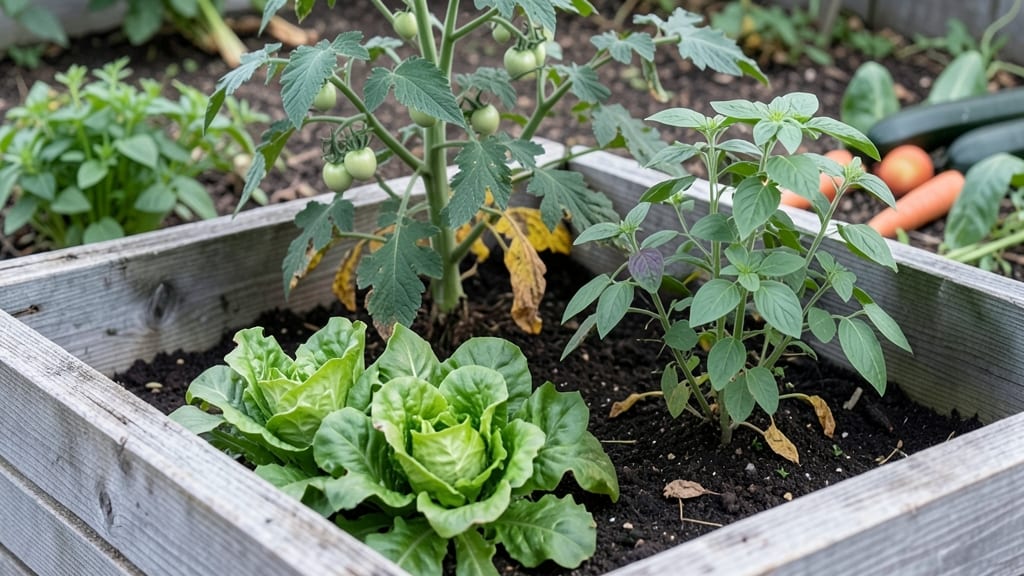
Community garden pics showcase thriving plant life, teamwork, and seasonal changes by highlighting lush vegetable patches, dedicated volunteers, and soft natural lighting. Capture broad scenes with wide-angle lenses and close-up plant textures with macro settings.
Great community garden photography goes beyond just pointing and shooting—it's about telling a story through your lens. 🌱 The best shots often focus on the human element, like volunteers kneeling in the soil or kids harvesting their first tomatoes, which adds emotional depth.
I always recommend shooting during the golden hour (just after sunrise or before sunset) when light is warmest, making colors pop without harsh shadows. For texture shots, a macro lens reveals the intricate details of leaves, stems, and even dew droplets that wide-angle shots might miss.
Don't forget to play with perspective—shooting from a low angle can make raised beds look dramatic, while high shots reveal the full layout of the garden. Seasonal variations also create stunning visuals: spring's fresh greens contrast beautifully with autumn's fiery foliage and winter's frost-kissed plants.
These details transform ordinary garden scenes into compelling visual narratives.
💡 In This Article
- Framing Community Garden Photography Composition
- Essential Gear for High-Quality Community Garden Shots
Framing community garden photography composition
Community garden photography thrives on composition techniques that guide the viewer's eye through natural storytelling. The rule of thirds works exceptionally well here—placing key elements like raised beds or pollinators at intersection points creates dynamic balance.
For example, positioning a volunteer's hands in the soil at the top-left third while framing a vibrant tomato plant at the bottom-right third instantly adds visual interest. This technique mirrors how our brains naturally process scenes, making images feel more engaging and less static.
Pathways and garden beds serve as perfect leading lines that draw attention deeper into your shots. A winding brick path or neatly aligned rows of carrots can create a sense of depth and perspective.
I've found that shooting at a slightly low angle (about 10-15 degrees below eye level) makes these lines appear more pronounced, adding drama to the composition. Morning dew on leaves or late afternoon shadows can further enhance these lines by creating natural contrast that highlights the garden's structure.
Seasonal color theory transforms ordinary garden scenes into visual masterpieces. Spring's soft greens (like new basil leaves) contrast beautifully with summer's deep reds (ripe tomatoes) and autumn's burnt oranges (sunflowers). The key is to identify your dominant color and use complementary hues in the background.
For instance, placing a yellow squash against a purple eggplant creates instant visual harmony. This color contrast works because our eyes perceive complementary colors as more vibrant when placed together.
Lighting conditions dramatically impact your garden photography. Golden hour (the hour after sunrise or before sunset) offers the most flattering light, with a color temperature of 2500-3000K that enhances warm tones naturally. During these times, shadows are soft and diffused, reducing harsh contrasts.
For indoor or overcast days, consider using a reflector to bounce natural light onto shaded areas, creating even illumination across your subject. The difference between midday shots (harsh shadows) and golden hour shots (soft glow) is often the difference between an average photo and a stunning one.
Don't overlook the power of weather effects in your compositions. Morning dew creates stunning macro opportunities—water droplets on leaves act as tiny lenses, creating beautiful bokeh effects when shot with a macro lens at f/2.8 or wider. Even light rain can add a fresh, dynamic quality to garden scenes.
The key is to shoot during these moments with a polarizing filter to reduce glare while enhancing color saturation. These weather elements add authenticity and tell a more complete story about the garden's environment.
For maximum impact, combine these techniques with intentional subject selection. Focus on textural contrasts—rough bark of fruit trees against smooth pumpkin skins—or scale comparisons—a child's hand next to a giant zucchini. These visual elements create immediate interest and help viewers connect emotionally with the garden's story.
The best community garden photos don't just show plants—they capture the heart of the space and the people who nurture it.