
Container Gardens
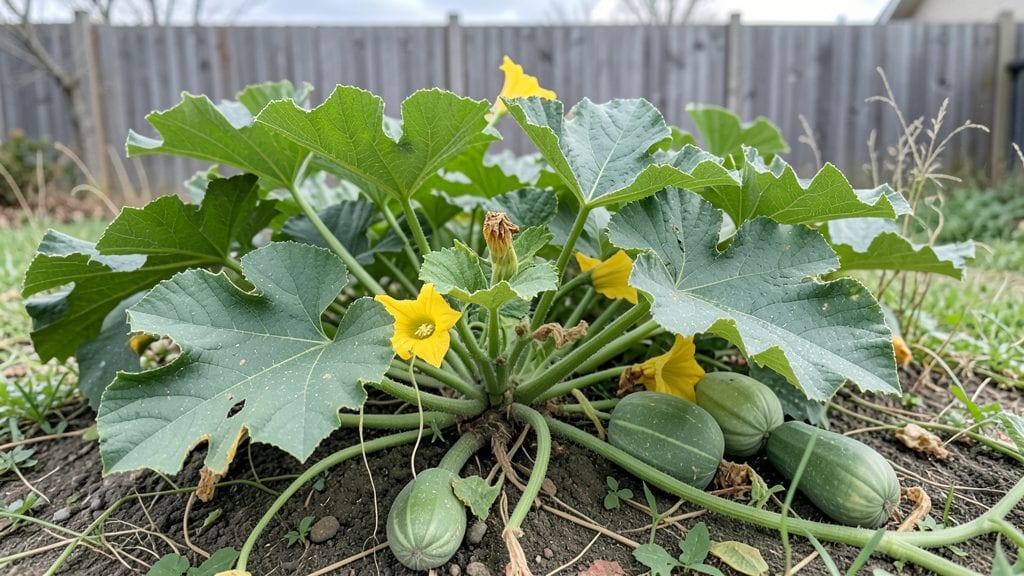
A thriving container garden squash can turn even the smallest balcony into a lush harvest—no backyard required. 🌿 Last summer, I grew 12 bushel squash in a 5-gallon bucket on my balcony, proving that compact growing isn’t just possible, it’s bountiful when you pick the right variety. right varieties and follow a few key rules.
The secret starts with container size—at least 5 gallons for bush varieties, 10+ gallons for vining types—and well-draining soil mixed with compost. I use black fabric pots to prevent root circling, and a trellis or cage to save space while keeping plants upright.
Overwatering is the biggest mistake; let the top inch dry between waterings, and fertilize lightly every two weeks with a balanced organic feed.
By midsummer, you’ll watch vibrant yellow blossoms give way to squash that ripens faster than in-ground plants. The key is consistent sunlight (6+ hours daily) and pruning excess vines to focus energy on fruit production.
Even in small containers, one healthy plant can yield 6-10 squash—enough for fresh eating, roasting, or sharing with neighbors.
This method works for zucchini, pattypan, and baby boo squash, all of which thrive in containers. The biggest challenge is pests like squash bugs, but a weekly check and neem oil spray keeps them in check.
With the right setup, your balcony or patio becomes a high-yielding garden—no dirt stains on your shoes required.
📚 In This Guide
- What you need
- Instructions
- Tips and common mistakes
- Wrapping up and next steps
What you need
- ● Container: At least 5-gallon capacity (18" deep x 18" wide for bush varieties, 20" deep for vining types like butternut). Use fabric grow bags, plastic pots, or wooden barrels with drainage holes.
- ● Potting Mix: 1 bag (1-2 cubic feet) of sterile, well-draining mix (avoid garden soil—it compacts!). Add compost (20-30%) for nutrients.
- ● Squash Seeds: 2-4 seeds per container (choose compact varieties like ‘Eight Ball’ zucchini, ‘Table Queen’ summer squash, or ‘Waltham Butternut’).
- ● Fertilizer: Balanced fertilizer (10-10-10 or 5-5-5) at planting.
- ● Slow-release organic fertilizer (like fish emulsion or compost tea) every 3-4 weeks.
- ● Drainage: Pebbles or broken pottery (1-2 inches) at the container’s bottom.
- ○ Support (Optional): Trellis or cage (for vining squash, like butternut—use 5-6 ft tall).
- ● Sturdy stakes (for bush varieties to prevent sprawling).
- ● Sunlight: Full sun (6-8+ hours daily). Place containers on a patio, balcony, or deck with unobstructed light.
- ● Water Access: Drip irrigation or watering can (squash needs 1-2 inches of water weekly; avoid soggy soil!).
- ● Warmth: Soil temp ≥55°F (use a seedling heat mat if starting early in cool climates).
- ● Space: 12-18 inches between containers for airflow (prevents mildew).
- ○ 🔥 Black plastic mulch (optional) speeds up soil warming and deters weeds.
- ● ✨ Self-watering containers reduce maintenance for busy gardeners.
- ● 🌡️ Thermometer helps monitor soil temp—critical for germination!
Step-by-step instructions for growing squash in containers
Here’s how to grow bush or vining squash in limited space—no sprawling garden needed.
🪴 Step 1: Choose the Right Containers and Drainage
Select containers that are at least 12 inches deep and 12 inches wide for bush varieties, or 18 inches deep and 24 inches wide for vining types like zucchini. I prefer fabric grow bags because they allow roots to breathe while preventing soil compaction. Ensure each container has multiple drainage holes—squash roots rot quickly in soggy conditions.
If using traditional pots, elevate them on pot feet to improve airflow and prevent water pooling. Line the bottom with landscape fabric to catch excess water without clogging drainage. This simple step prevents the most common container-gardening failure: root rot.
🌱 Step 2: Prepare Soil and Plant Transplants
Fill containers with a well-draining potting mix—never garden soil, which compacts and suffocates roots. I blend 50% premium potting mix with 30% compost and 20% perlite for aeration. Moisten the mix until it’s damp like a wrung-out sponge, but not dripping.
Plant 1-2 squash seedlings per container, spacing them 12 inches apart for bush types or 6-8 inches apart for vining varieties. Press the soil gently around the roots to eliminate air pockets, then water deeply until it drains freely from the bottom. Avoid burying stems too deep—this encourages rot and weak growth.
☀️ Step 3: Provide Sun and Support for Growth
Squash thrives in full sun (6-8 hours daily), but containers dry out faster than in-ground beds. Place pots where they receive morning sun and afternoon shade in hot climates to prevent wilting. If your space is shady, opt for bush varieties like 'Eight Ball' zucchini, which tolerate partial shade better than vining types.
For vining squash, install trellises or cages immediately after planting. I use 5-foot tall tomato cages for zucchini—it’s sturdy enough to support heavy fruit while keeping vines contained. Train vines gently with soft ties, but never pull them upward; let them grow naturally to avoid stem damage.
💧 Step 4: Water and Fertilize for Maximum Yield
Water containers deeply 2-3 times per week, ensuring the top 2 inches of soil dry out between waterings. Overwatering is the fastest way to kill container-grown squash—yellowing leaves or mushy stems are sure signs of root stress. I use a soaker hose to deliver water at the base, which keeps foliage dry and reduces disease risk.
Feed plants every 2-3 weeks with a balanced liquid fertilizer (10-10-10) mixed at half-strength. When flowers appear, switch to a low-nitrogen, high-phosphorus formula (5-10-10) to encourage fruit set. Avoid granular fertilizers—they can burn tender roots in confined spaces.
✂️ Step 5: Prune and Harvest for Continuous Production
Remove yellowed or diseased leaves promptly to improve airflow and prevent fungal issues. For vining squash, pinch off side shoots that form below the first flower to redirect energy into fruit production. This keeps plants manageable in containers while boosting yield.
Harvest squash when it reaches full size but before seeds harden—zucchini should be 6-8 inches long, while pattypan varieties are ready at 4-5 inches. Use a sharp knife or pruners to cut stems, leaving a ½-inch stem attachment to prevent rot. Regular harvesting tricks plants into producing more fruit, so check containers every 2-3 days during peak season.
Tips & tricks for perfect container garden squash
Container gardening squash doesn't have to be a gamble—these pro strategies will help you avoid the most common pitfalls while maximizing your harvest in limited space.
Container Size Matters: The minimum 12-inch depth for bush varieties and 18-inch depth for vining types isn't arbitrary—it ensures roots have enough room to establish without becoming root-bound. I've learned the hard way that shallower containers lead to stunted growth, especially for heavy producers like zucchini. For vining varieties, consider adding 2-3 inches of extra depth if you notice roots circling the bottom after 4-6 weeks. This simple adjustment can double your yield per container.
Soil Mix Secrets: That 50-30-20 blend of premium potting mix, compost, and perlite isn't just a suggestion—it's the difference between thriving plants and struggling ones. The perlite creates crucial air pockets that prevent the compacted soil syndrome common in containers. Pro tip: Sterilize your soil mix by baking it at 200°F for 30 minutes before planting to eliminate any fungal spores that could cause early blight, a common container-gardening nemesis.
Sunlight Strategy: While squash needs that full 6-8 hours of sun, the morning sun/afternoon shade approach in hot climates is non-negotiable. I've seen squash plants wilt dramatically in containers when exposed to full afternoon sun—it's like putting a pot of water in direct sunlight. For urban balconies, consider reflective surfaces like white walls or mirrors to bounce extra light onto your containers during shorter days. This can extend your growing season by 2-3 weeks in marginal light conditions.
Watering Wisdom: The 2-3 times per week guideline works for most climates, but container-grown squash actually needs more frequent monitoring than in-ground plants. I check soil moisture daily during hot weather by sticking my finger 2 inches deep—if it's dry, water thoroughly until it drains from the bottom. The key is consistency: let the top 2 inches dry out completely between waterings, but never allow containers to sit in saucers of water for more than 15 minutes after watering. This prevents the dreaded root rot that plagues container squash.
Pro Tips for Container Garden Squash
- Container gardening squash doesn't have to be a gamble—these pro strategies will help you avoid the most common pitfalls while maximizing your harvest in limited space.
- Container Size Matters: The minimum 12-inch depth for bush varieties and 18-inch depth for vining types isn't arbitrary—it ensures roots have enough room to establish without becoming root-bound.
- Soil Mix Secrets: That 50-30-20 blend of premium potting mix, compost, and perlite isn't just a suggestion—it's the difference between thriving plants and struggling ones.
Frequently asked questions
Got questions about growing squash in containers?
You’re not alone! Here are answers to the most common queries to help you cultivate a thriving, space-saving harvest—no green thumb required.
What’s the best type of squash for container gardening?
Opt for compact varieties like ‘Eight Ball’ zucchini or ‘Patio Star’ bush-type squash. These stay small (1–2 feet wide) and thrive in 5-gallon containers. Avoid sprawling types like pumpkins—they need way more room!
How long does it take for container-grown squash to produce?
With proper care, expect flowers in 4–6 weeks and edible squash in 8–12 weeks after planting. Pro tip: Prune lower leaves to boost airflow and speed up fruit development.
How often should I water container-grown squash?
Containers dry out fast! Water deeply 2–3 times per week (more in heatwaves). Let the top inch of soil feel dry before watering. Warning: Overwatering causes rot—ensure pots have drainage holes!
What pests should I watch for in container squash?
Squash bugs, aphids, and cucumber beetles love squash! Prevent: Use row covers early. Treat: Spray soapy water or introduce beneficial nematodes for soil pests.
Can I grow squash in a balcony planter without sunlight?
Squash needs 6+ hours of sun daily. If your balcony is shady, try ‘Sunburst’ zucchini (tolerates partial shade) or supplement with a grow light. Otherwise, relocate pots to a sunnier spot!
Wrapping up and next steps
Growing squash in containers is a rewarding way to enjoy fresh, homegrown produce—even in small spaces! 🌱 With the right variety, container, and care, you’ll soon be harvesting vibrant, flavorful squash.
Whether you’re a beginner or a seasoned gardener, container gardening makes it easy to experiment and expand your green thumb.
Ready to dive in? Start by choosing your favorite squash variety and grab a container—your future harvest awaits! What will you grow first?