
Landscaping
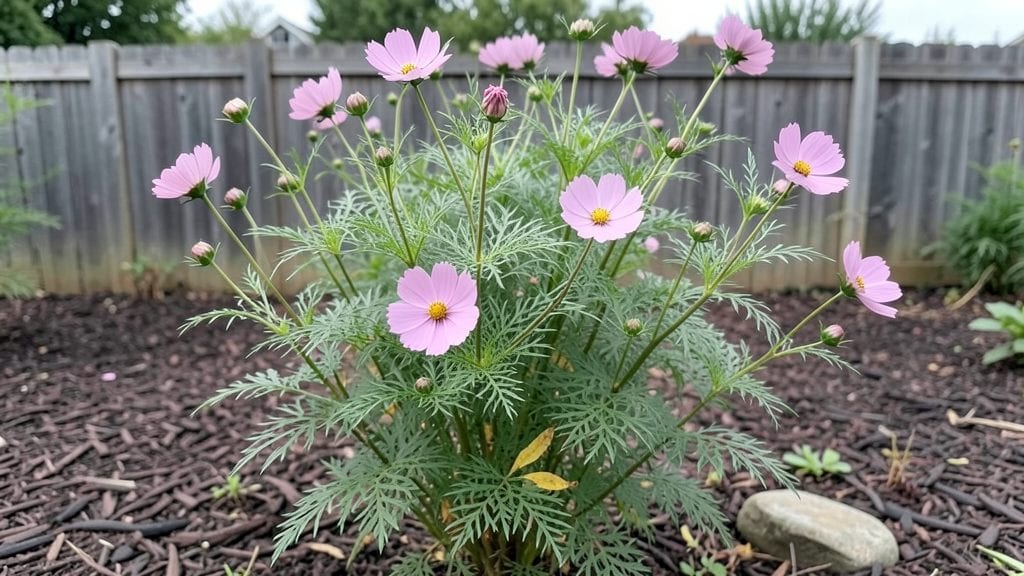
Cosmos flowers transform any garden into a sunlit dream with their effortless charm. 🌻 I’ve designed spaces where they spill over borders like confetti, creating layers that move with the breeze and catch the light in every direction.
The key isn’t forcing structure—it’s letting them lead while you weave in supporting plants that play well together.
Start with a sun-drenched spot (they thrive in full light) and mix cosmos with grasses, dahlias, or salvias for height contrast. Their airy stems need room—12-18 inches apart—so they don’t flop into a tangled mess by midsummer.
For a cottage feel, scatter them loosely; for modern gardens, plant in bold drifts with clean-edged perennials.
By late summer, you’ll have a garden that feels alive—velvety petals swaying in the wind, bees buzzing between blooms, and colors that shift from pink to white as the season progresses. The best part? Cosmos self-seed like crazy, so next year’s garden designs themselves.
Works in borders, containers, or wildflower meadows—just give them sun and space. Here’s how to make them the star without overthinking it.
📚 In This Guide
- What you need
- Instructions
- Tips and common mistakes
- Wrapping up and next steps
What you need
- ● Cosmos Seeds or Plants: Choose 10–20 plants (or seeds) for a lush, layered look. Opt for Cosmos bipinnatus (for height) and Cosmos sulphureus (for vibrant colors).
- ● Well-Draining Soil: 5–10 bags (1–2 cubic feet each) of a mix like 50% garden soil, 30% compost, and 20% perlite.
- ● Organic Mulch: 2–3 bags of shredded bark or straw to retain moisture and suppress weeds.
- ● Garden Stakes or Trellises: 5–10 stakes (3–4 feet tall) or lightweight trellises to support taller varieties.
- ● Slow-Release Fertilizer: 1–2 bags of balanced 10-10-10 fertilizer or organic options like fish emulsion.
- ● Hand trowel or transplanting spade
- ● Garden gloves (1–2 pairs)
- ● Pruning shears (for shaping)
- ● Watering can or hose with a gentle spray nozzle
- ● Measuring tape (for spacing plants evenly)
- ○ Wheelbarrow (optional, for hauling soil)
- ● Decorative Accents: Solar-powered garden lights, painted stones, or mini wind chimes to add charm.
- ● Companion Plants: Marigolds or sunflowers for extra color and pest control.
- ● Drip Irrigation Kit: For low-maintenance watering (great for larger gardens!).
Step-by-step guide to creating a whimsical cosmos garden
Here’s how to craft a sunlit cosmos garden that blooms with effortless charm.
🌱 Step 1: Choose the Perfect Location
Cosmos thrive in full sun, so pick a spot that gets at least 6-8 hours of direct sunlight daily. I always scout the area in the late afternoon when the sun casts long shadows—this helps me visualize how the light will move across the space. Avoid spots where large trees or buildings block the sun, as cosmos need bright light to produce their signature cheerful blooms.
If your yard has partial shade, focus on varieties like 'Bright Lights' or 'Sensation Mix,' which tolerate a bit more filtered light. You’ll know you’ve chosen well when the soil stays warm to the touch even on cooler days—cosmos roots appreciate that gentle heat.
🪴 Step 2: Prepare the Soil for Easy Growth
Cosmos are forgiving plants, but they still need well-draining soil to prevent root rot. Loosen the top 6-8 inches of soil with a garden fork, breaking up any compacted layers. Mix in 2-3 inches of compost to enrich the soil naturally—this step ensures your cosmos will have the nutrients they need without fuss.
I like to add a light layer of mulch around the base after planting to keep moisture in and weeds out. Cosmos don’t need rich soil, but they do appreciate a little extra organic matter to kickstart their growth. If your soil is particularly heavy or clay-like, blend in some sand or perlite to improve drainage.
☀️ Step 3: Plant Cosmos in Whimsical Layers
Start by planting taller cosmos varieties (like 'Seashells' or 'Cosmic Orange') at the back of your bed, spacing them 12-18 inches apart. These will serve as the dramatic backdrop for your design. Next, add medium-height cosmos (such as 'Double Click') in the middle, spacing them 10-12 inches apart.
Finally, fill the front with shorter varieties (like 'Dwarf Cosmos') or trailing types that spill over edges. This layered approach creates movement and depth, making your garden feel alive. Water deeply after planting to settle the soil around the roots—you’ll see new growth within 1-2 weeks if conditions are right.
✂️ Step 4: Encourage Continuous Blooms
Cosmos are self-seeding and prolific, but a little care keeps them looking their best. Deadhead spent blooms by pinching off faded flowers with your fingers or snipping them with clean scissors. This simple step encourages more blooms to form, extending your garden’s display well into fall.
I also like to give my cosmos a light trim in early summer if they start to look leggy. Cutting back by about one-third encourages bushier growth and more flowers. Cosmos are drought-tolerant once established, so water only when the top 1-2 inches of soil feel dry—overwatering is their only real enemy.
🌿 Step 5: Add Whimsical Touches for Magic
To make your cosmos garden truly enchanting, weave in complementary plants like marigolds, zinnias, or ornamental grasses. These add texture and contrast while keeping the focus on your cosmos. Scatter a few garden stakes or twiggy branches among the taller stems to create a natural, windswept look.
For extra charm, let some cosmos seeds drop naturally to self-sow for next year. You’ll wake up to surprise blooms popping up in unexpected spots—it’s one of the joys of growing cosmos. A few strategically placed solar lights or wind chimes can also enhance the whimsical vibe without overpowering the natural beauty.
Tips & tricks for perfect cosmos garden design
Creating a whimsical cosmos garden is all about the little details that make the big difference. Here's what I've learned from years of growing these cheerful blooms.
The Sunlight Secret: That 6-8 hours of sunlight isn't just a recommendation—it's non-negotiable for vibrant blooms. I test my spot by observing how shadows move throughout the day. If your yard has afternoon shade, focus on planting cosmos in the eastern half of your garden where they'll catch morning sun. The key is consistent light exposure—cosmos won't tolerate spots that get sun only in the morning or evening.
Soil Prep Shortcut: When loosening that top 6-8 inches of soil, think of it like fluffing a pillow—you want to create air pockets for roots to breathe. I use a garden fork to break up compacted layers, then add compost while the soil is still loose. This prevents clumping when you mix. For heavy clay soil, blend in coarse sand or perlite at this stage—it makes all the difference for drainage.
Layering Like a Pro: The spacing measurements (12-18 inches for tall, 10-12 inches for medium) might seem strict, but they create that magical layered effect. I mark my spacing with a simple string line and small stakes before planting. This ensures even distribution and prevents overcrowding as plants mature. The front row with shorter varieties should feel like a soft, colorful border that invites you into the garden.
Deadheading Done Right: When you pinch off those spent blooms in Step 4, do it cleanly just above a set of leaves. This encourages new growth from that node. I use clean scissors for larger blooms and just my fingers for smaller ones. The key is consistency—check your cosmos every few days during peak bloom season. This one simple habit can extend your blooming season by weeks!
Pro Tips for Cosmos Garden Design
- Creating a whimsical cosmos garden is all about the little details that make the big difference.
- The Sunlight Secret: That 6-8 hours of sunlight isn't just a recommendation—it's non-negotiable for vibrant blooms.
- Soil Prep Shortcut: When loosening that top 6-8 inches of soil, think of it like fluffing a pillow—you want to create air pockets for roots to breathe.
Frequently asked questions
Got questions about creating your own cosmos garden oasis?
You’re not alone! Here are some of the most common queries—plus quick, actionable answers to help you design with confidence.
What’s the best time of year to plant cosmos seeds?
Cosmos thrives in warm soil, so plant seeds after the last frost (typically late spring or early summer). For a longer bloom season, you can also start seeds indoors 4–6 weeks before the last frost. Pro tip: Cosmos self-seeds easily, so a little patience goes a long way!
How long does it take for cosmos flowers to bloom after planting?
Most cosmos varieties sprout in 5–10 days and bloom in 6–8 weeks from seed. For faster results, opt for transplants (they’ll flower even sooner!). Just give them full sun (6+ hours/day) and well-draining soil for the best show.
Can I grow cosmos in containers or just in garden beds?
Cosmos adapt beautifully to containers—just use pots at least 12 inches deep with drainage holes. Mix in potting soil with compost for happy roots. Bonus: Containers let you move cosmos to follow the sun or create mobile "living art" for patios!
Are cosmos flowers good for pollinators, and do they need extra care?
Yes! Cosmos are pollinator magnets—butterflies, bees, and hummingbirds adore them. Low-maintenance tip: Deadhead spent blooms to encourage more flowers, but otherwise, they’re drought-tolerant once established. Just avoid heavy fertilizer (they prefer lean soil).
What if my cosmos plants look leggy or floppy?
Leggy cosmos usually mean too little light or overcrowding. Fix it fast: Thin seedlings to 12–18 inches apart and move pots/garden spots to sunnier locations. If stems are weak, stake taller varieties or prune back by ⅓ to encourage bushier growth.
Wrapping up and next steps
Transforming your outdoor space into a cosmos garden design isn’t just about beauty—it’s about creating a living, breathing masterpiece that sparkles with sunlight and joy. 🌻 From choosing the right cosmos varieties to layering plants for depth and texture, every step is an opportunity to craft a space that feels magical and uniquely yours.
Whether you’re a seasoned gardener or just starting, the key is to play with color, height, and movement—letting your creativity bloom as freely as your flowers!
Ready to dive in? Start small—pick a corner of your yard or a sunny balcony—and let your cosmos garden grow into something extraordinary. Your next step? Grab your gardening gloves, sketch a rough layout, and watch your vision take root! 🌱