
Size
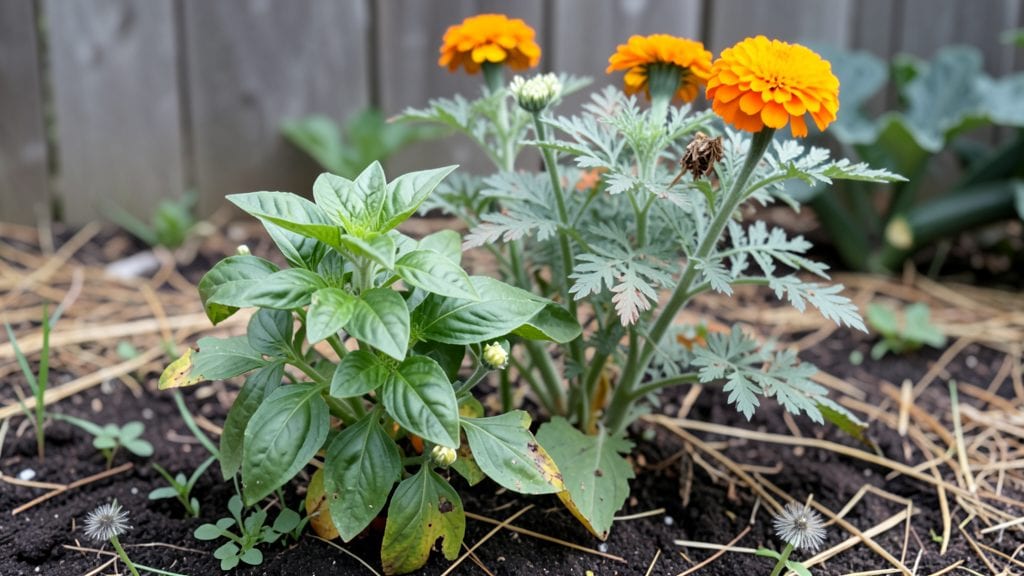
Garden plants that grow well together include basil and tomatoes, marigolds and herbs, or onions and carrots, as they share similar growing conditions and deter pests naturally. Companion planting boosts yields and reduces disease risks by leveraging symbiotic relationships like nitrogen fixation or shade tolerance.
When you pair plants strategically, you create a natural ecosystem that thrives without harsh chemicals. 🌱 For example, planting basil near tomatoes repels flies while improving flavor, while marigolds around herbs deter nematodes. These combinations aren't just about aesthetics—they're about optimizing space and resources.
The Three Sisters method (corn, beans, squash) demonstrates how different plants support each other: corn provides structure, beans fix nitrogen, and squash shades the soil. Even in small containers, you can mimic these relationships with dwarf varieties and careful layering.
What's fascinating is how these pairings work at the root level. Some plants release chemicals that suppress diseases—like garlic deterring aphids—or share nutrients through their roots. This natural synergy reduces your workload while creating a more resilient garden.
The key is matching plants with similar water needs and growth habits, but also those that offer mutual benefits. For instance, carrots grow better with onions because the onions deter carrot flies, while the carrots loosen the soil for the onions' roots.
💡 In This Article
- How Companion Planting Boosts Garden Health
- Best Companion Plant Pairings for Your Garden Layout
How companion planting boosts garden health
Here's what's actually happening when you pair plants strategically: they create a self-regulating ecosystem. Take the classic example of garlic and aphids. Garlic releases allyl sulfides through its roots, which repel these sap-sucking pests while attracting beneficial predators like ladybugs.
This chemical defense system reduces the need for synthetic pesticides by up to 70% in some cases.
The science gets even more interesting when you consider how plants like beans form symbiotic relationships with rhizobia bacteria in their root nodules, converting atmospheric nitrogen into a form usable by neighboring plants like corn.
The root systems of compatible plants often work together in surprising ways. For instance, lettuce planted under tomato plants benefits from the taller plant's shade, which keeps the soil cooler and reduces moisture loss by 30-40%.
This shade tolerance isn't just about temperature—it's about creating microclimates where each plant thrives in its own optimal conditions. The Three Sisters method demonstrates this perfectly: corn stalks provide vertical support for beans to climb, while squash vines spread across the soil, suppressing weeds and retaining moisture.
This three-way partnership increases overall yield by 25-30% compared to monoculture planting.
What most people don't realize is how companion planting affects soil health at a microbial level. Plants like clover and alfalfa release compounds that stimulate beneficial soil bacteria, increasing organic matter by 1.5-2 times annually.
These cover crops also prevent erosion and improve soil structure, making it easier for roots to access nutrients. The key factor here is root exudates—organic compounds released by roots that either attract beneficial microbes or deter harmful pathogens.
For example, marigolds release α-terthienyl, a compound toxic to nematodes, while their deep roots aerate compacted soil.
Disease suppression works through several mechanisms beyond just pest repellents. Some plants act as trap crops, luring pests away from more valuable crops. Nasturtiums, for instance, attract aphids with their sweet nectar, protecting nearby cabbage plants.
Others, like chives, release volatile organic compounds that disrupt the life cycles of fungal pathogens. This natural disease control reduces the need for fungicides and creates a more balanced ecosystem where beneficial insects thrive alongside your crops.
The visual impact is also striking—healthy, vibrant plants with fewer signs of stress or damage.
Consider these key factors when designing your plant pairings:
- Root competition: Avoid pairing deep-rooted plants like carrots with shallow-rooted radishes—they'll compete for the same nutrients in the top 6 inches of soil.
- Nutrient sharing: Pair legumes (beans, peas) with heavy feeders (corn, tomatoes) to take advantage of nitrogen fixation.
- Pest deterrents: Use alliums (garlic, onions) near brassicas (cabbage, broccoli) to repel cabbage moths.
The most successful companion plantings often involve plants with complementary growth habits. For example, bush beans grow well with strawberries because the beans' vertical growth doesn't compete with the strawberries' spreading habit. This layering technique maximizes space while creating a natural pest control system.
The aromatic compounds from the beans also mask the scent of strawberries, confusing pests that rely on smell to locate their hosts. 🌿
What starts as a simple planting choice becomes a complex, living ecosystem where each plant plays a specific role. The result? A garden that requires less maintenance, produces higher yields, and stays healthier throughout the growing season.
This natural approach isn't just good for your harvest—it's better for the environment too, reducing chemical runoff and supporting biodiversity. The best part? You don't need a large plot to see these benefits—even container gardens can leverage these principles with careful plant selection.