
Companion Plants
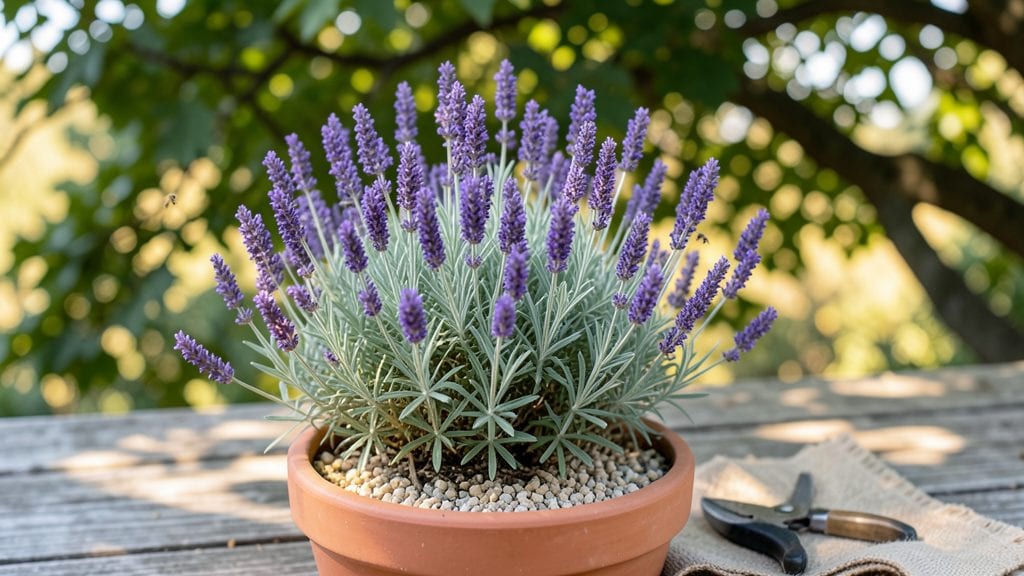
The right home garden plants can turn a tiny balcony into a thriving oasis. 🌿 I’ve packed my 4x6-foot patio with high-value companions that support each other—basil and tomatoes, lettuce and radishes, marigolds and peppers—without fighting for space or nutrients.
The secret isn’t fancy; it’s matching plants that naturally share sunlight, water, and pest-deterring traits.
Start with your space and sunlight: shady corners work for Swiss chard and mint, while sunny spots thrive with peppers and nasturtiums.
Most of these plants need well-draining soil and consistent watering—think 1 inch per week—but they’ll reward you with harvests in as little as 30 days for fast growers like lettuce. The best part? They keep each other healthy, reducing the need for sprays or fertilizers.
By mid-summer, you’ll have a self-sustaining system where herbs repel pests, flowers attract pollinators, and vegetables grow lush and productive. The aroma of fresh basil mingling with ripe tomatoes? That’s the payoff of smart companion planting. Let’s get your garden working together—no wasted space or effort.
This works for containers, raised beds, or in-ground plots, and I’ll show you how to adapt for partial shade or hot climates. The key is starting small and letting the plants teach you what thrives best in your corner of the world.
📚 In This Guide
- What you need
- Instructions
- Tips and common mistakes
- Wrapping up and next steps
What you need
- ● Containers or Garden Beds: 5–10 self-watering planters (10–12" deep for root crops, 6–8" for herbs/leafy greens)
- ● 1–2 raised beds (4'x8' or smaller, with drainage holes if using containers)
- ● Window boxes (for herbs or trailing plants like nasturtiums)
- ● Soil & Amendments: 5–10 gallons of high-quality potting mix (look for "organic" or "compost blend")
- ● 1–2 bags of compost (for nutrient-rich soil)
- ○ Optional: perlite or vermiculite (for drainage, 1–2 cups per container)
- ● Companion Plant Starters: 3–5 seedlings (e.g., basil, marigolds, lettuce, radishes, or chives)
- ● OR 5–10 seeds (fast-growing varieties like beans, peas, or microgreens)
- ● Drip irrigation system or spray nozzle (for efficient watering)
- ● Organic fertilizer (like fish emulsion or worm castings)
- ● Mulch (straw or shredded leaves to retain moisture)
- ● Trellis or stakes (for climbing plants like cucumbers or beans)
- ● Garden gloves and knee pads (for comfort)
- ● Plant labels (to track companions and harvest times)
Instructions for designing a thriving, space-saving home garden
Here’s how to maximize growth while minimizing space—using companion plants that naturally support each other.
🌱 Step 1: Plan Your Plant Pairings for Optimal Growth
Start by grouping plants with complementary needs. For example, pair bush beans with strawberries—the beans fix nitrogen in the soil, while strawberries provide shade for the beans’ roots. I always sketch a rough layout first, noting which plants need full sun and which tolerate partial shade.
Use vertical space with trellises for pole beans or cucumbers, freeing up ground space for low-growing companions like lettuce or radishes. This layered approach mimics a natural ecosystem, where taller plants provide shade for more delicate varieties below.
🪴 Step 2: Select Containers and Arrange for Companion Benefits
Choose 5-7 gallon containers for larger plants like tomatoes or peppers, and smaller 1-2 gallon pots for herbs like basil or thyme. Place taller plants toward the back of raised beds or in larger pots, with shorter companions in front. This ensures no plant is overshadowed.
If using in-ground beds, space plants 12-18 inches apart to allow airflow while still benefiting from each other’s presence. For instance, marigolds planted near tomatoes deter pests naturally, while carrots and onions grow well together because the onions repel carrot flies.
💧 Step 3: Water and Mulch for Shared Moisture Needs
Group plants with similar watering needs together. For example, herbs like rosemary and thyme prefer drier soil, while lettuce and spinach need consistent moisture. Water deeply once a week (or more in hot climates) and apply 2-3 inches of mulch to retain soil moisture and suppress weeds.
Mulch also regulates soil temperature, which is especially helpful in small spaces where soil can heat up quickly. Use straw or shredded leaves—they break down slowly, feeding the soil while keeping roots cool. Avoid over-mulching near stems, as this can trap excess moisture and invite rot.
☀️ Step 4: Rotate and Prune for Continuous Companion Benefits
Every 4-6 weeks, rotate containers or rearrange plants to ensure even sun exposure. This prevents leggy growth and maximizes the companion benefits. For example, if basil starts to outgrow its space near tomatoes, trim it back to encourage bushier growth and reduce competition.
Prune regularly to maintain airflow—this reduces disease risk and keeps plants productive. Harvest frequently to encourage new growth, and always remove spent flowers or leaves. This keeps the garden tidy and ensures companions continue supporting each other throughout the season.
⏰ Step 5: Monitor and Adjust for Seasonal Changes
As seasons shift, adjust pairings to match changing conditions. In late summer, add cool-season crops like kale or spinach near peppers, which still thrive in warmth. By fall, swap out heat-loving plants for garlic or onions, which benefit from cooler temperatures.
Watch for signs of stress—yellowing leaves, stunted growth, or pest damage—and adjust pairings if needed. For example, if cucumbers start wilting near potatoes, they may need more space. Companion planting isn’t rigid; it’s about observing and adapting to create the most harmonious garden possible.
Tips & tricks for perfect companion planting in small gardens
A few strategic moves can transform your limited space into a thriving ecosystem where plants support each other's growth naturally.
Sunlight Strategy: Pay close attention to sun exposure when pairing plants in Step 1. While bush beans and strawberries work well together, note that strawberries need at least 6 hours of sunlight daily, while beans can tolerate partial shade. I always place sun-loving plants like tomatoes and peppers toward the south side of containers or raised beds, while shade-tolerant herbs like cilantro or parsley go on the north side. This prevents competition for light that can stunt growth and reduce yields.
Container Size Matters: The 5-7 gallon containers recommended for tomatoes and peppers in Step 2 aren't just about size—they allow for proper root development while maintaining the companion benefits. I've seen gardeners use smaller pots and wonder why their tomatoes underperform. Remember, larger containers also mean you can plant multiple companion plants together, like a tomato with basil and marigolds, all in one pot. The key is ensuring the largest plant gets the most space at the back.
Watering Wisdom: The once-a-week watering guideline in Step 3 works perfectly for most climates, but I've learned the hard way that this can vary dramatically. In hot, dry conditions, you might need to water every other day, while cooler, humid areas may only require watering every 10 days. Always check soil moisture by sticking your finger 1-2 inches deep—if it's dry, it's time to water. Grouping plants with similar moisture needs together prevents one plant from outcompeting its companions for water.
Seasonal Transition Hack: When adjusting pairings in Step 5, I recommend keeping a small notebook to track which combinations worked best each season. For example, I've found that adding Swiss chard near peppers in late summer provides excellent pest control while not competing for resources. The key is to observe which pairings naturally support each other without showing signs of stress like yellowing leaves or stunted growth.
Pro Tips for Home Garden Plants
- A few strategic moves can transform your limited space into a thriving ecosystem where plants support each other's growth naturally.
- Sunlight Strategy: Pay close attention to sun exposure when pairing plants in Step 1.
- Container Size Matters: The 5-7 gallon containers recommended for tomatoes and peppers in Step 2 aren't just about size—they allow for proper root development while maintaining the companion benefits.
Frequently asked questions
Got questions about growing space-saving companion plants in your home garden?
You’re not alone! Here are some of the most common concerns—and their solutions—to help you cultivate a thriving, efficient garden with ease.
What are the easiest companion plants for beginners?
Start with bush beans, radishes, or lettuce—they’re fast-growing, low-maintenance, and pair well with tomatoes, carrots, or herbs like basil. These plants tolerate crowding and deter pests naturally, making them perfect for small spaces or raised beds.
How soon can I expect to harvest companion plants?
Harvest times vary: radishes (3–4 weeks), lettuce (4–6 weeks), and bush beans (50–60 days) are quick wins. Perennials like chives or mint take longer (6–8 weeks) but reward you with year-round growth. Plan ahead by checking seed packets for specific timelines!
What plants should I never grow together?
Avoid these toxic pairings:
- Onions/garlic + beans/peas (stunt growth)
- Potatoes + tomatoes (shared diseases)
- Fennel + almost everything (inhibits neighbors)
Can I grow companion plants in containers or small spaces?
Opt for dwarf varieties (like tomato ‘Tiny Tim’ or pepper ‘Jalapeño M’) and stack plants vertically with trellises. Herbs (basil, thyme) thrive in pots, while radishes and green onions grow well in shallow containers. Just ensure each plant gets 6+ hours of sunlight daily.
How do I keep pests away without chemicals?
Use these natural tricks:
- Marigolds repel nematodes and aphids.
- Nasturtiums deter squash bugs and attract pollinators.
- Plant garlic or chives near roses to fend off Japanese beetles.
- Rotate crops yearly to break pest cycles.
Wrapping up and next steps
Transforming your small space into a thriving garden is easier—and more rewarding—than you think! By choosing the right home garden plants and embracing companion planting, you can maximize growth, deter pests, and create a lush, harmonious oasis.
Start small, experiment with pairings like basil and tomatoes or marigolds and peppers, and watch your green thumb flourish.
Ready to dive in? Pick one plant combo from this guide, grab your gardening tools, and get planting! 🌱 Whether you’re a beginner or a seasoned gardener, every seed you sow is a step toward a greener, happier home.