
Tools
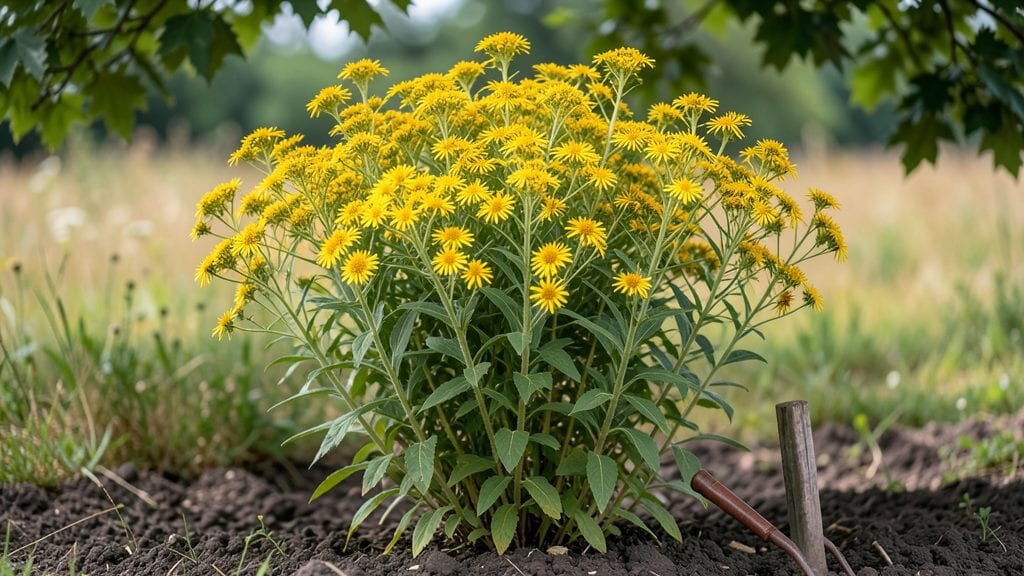
When your late summer garden still hums with potential, it’s time to double down on bold edible flowers and heat-resistant herbs that thrive when most plants wilt. ✨ I’ve learned the hard way that ignoring this season means wasted harvests—so I now focus on varieties that not only survive but flourish as temperatures dip toward fall.
The secret lies in strategic choices: nasturtiums for peppery blooms, calendula for golden petals, and rosemary or thyme that smell like sunshine even in September heat. These plants need minimal fuss—just consistent watering and morning sunlight.
My garden’s late-season bounty now includes edible garnishes that last until first frost, plus herbs that keep giving even as days grow shorter.
By late August, you’ll be harvesting vibrant petals for salads and fragrant sprigs for cooking, all while prepping soil for cool-season crops. The key is acting now: prune back leggy growth, mulch to retain moisture, and watch your garden transform into a fall feast before your eyes.
The best part? These plants attract pollinators right up until winter’s first chill.
Works for containers, raised beds, or in-ground plots—no matter your setup, this approach turns late summer into your most productive gardening month yet. Let’s make the most of these golden weeks before the cool-down hits.
📚 In This Guide
- What you need
- Instructions
- Tips and common mistakes
- Wrapping up and next steps
What you need
- ● Edible flowers: 10–15 Nasturtium plants (annual, heat-tolerant, peppery flavor)
- ● 5–8 Calendula plants (edible petals, mild citrusy taste)
- ● 3–5 Borage plants (star-shaped flowers, cucumbery notes)
- ● 2–3 Viola (pansy) plants (delicate, sweet flavor)
- ● Heat-resistant herbs: 5–10 Rosemary plants (drought-tolerant, woody stems)
- ● 8–12 Oregano plants (hardy, spreads easily)
- ● 6–8 Thyme plants (compact, aromatic)
- ● 4–6 Lemon balm plants (fast-growing, citrusy)
- ● Soil & amendments: 50 lbs well-draining potting mix (or garden soil + compost)
- ● 10 lbs organic compost (for nutrient boost)
- ● 1 lb slow-release fertilizer (10-10-10 ratio)
- ● Tools: 1 pair gardening gloves (for protection)
- ● 1 hand trowel (for planting)
- ● 1 pruning shears (for trimming)
- ● 1 watering can (1–2 gallon capacity)
- ● 1 spray bottle (for gentle watering)
- ● 1 mulch (straw or shredded leaves, 2–3 inches) to retain moisture
- ● 1 drip irrigation kit (for consistent watering)
- ● 1 pH testing kit (to ensure soil is slightly acidic, pH 6.0–7.0)
- ● 1 decorative garden markers (to label plants)
- ● 1 bee-friendly feeder (to attract pollinators)
Step-by-step instructions for planting a late summer edible garden
Let’s create a vibrant late summer display that thrives in heat and rewards you with both beauty and flavor.
🌱 Step 1: Choose and Prepare the Perfect Spot
Pick a location that gets at least 6 hours of sunlight daily—even in late summer, heat-resistant plants need plenty of light to flourish. Clear away weeds and loosen the soil to a depth of 6-8 inches with a garden fork or trowel. This helps roots establish quickly in the remaining warm season.
If your soil feels compacted or heavy, mix in 2-3 inches of compost to improve drainage and fertility. Avoid freshly tilled soil—it can be too rich and encourage rapid leafy growth at the expense of flowers or herbs. Test the soil moisture by squeezing a handful; it should hold together but not feel soggy.
💧 Step 2: Plant Heat-Tolerant Edible Flowers and Herbs
Start with nasturtiums, calendula, and borage—these edible flowers thrive in late summer heat and add vibrant pops of color. Space them 12-18 inches apart to allow airflow, which prevents fungal diseases. For herbs, thyme, oregano, and rosemary are ideal; they love the warmth and drought-like conditions of late summer.
Dig holes just deep enough to accommodate the root ball, then place each plant gently. Fill the holes with soil, pressing lightly around the base to remove air pockets. Water deeply right after planting to help roots settle into the soil. Avoid overwatering—these plants prefer drier conditions once established.
☀️ Step 3: Mulch and Water Strategically
Spread a 2-inch layer of mulch around each plant, keeping it 2 inches away from the stems to prevent rot. Organic mulch like straw or shredded leaves helps retain moisture while regulating soil temperature. This is especially important in late summer when soil can heat up quickly.
Water in the early morning to reduce evaporation and fungal risks. Aim for 1 inch of water per week, delivered in deep soakings rather than frequent light waterings. You’ll know you’ve done it right when the top inch of soil feels moist but not waterlogged—these plants are tough but not drought-proof.
✂️ Step 4: Maintain and Harvest for Continuous Blooms
Deadhead spent flowers regularly to encourage more blooms and keep the garden looking fresh. Pinch back leggy growth on herbs to promote bushier, more flavorful plants. This is also the time to harvest leaves as needed—just snip the outer leaves to keep the plant productive without stressing it.
Watch for pests like aphids or spider mites, which thrive in hot, dry conditions. A strong spray of water can often dislodge them, but if they persist, use an organic insecticidal soap. With minimal care, your late summer garden will stay vibrant and productive right up until the first frost.
Tips & tricks for perfect late summer gardens
Between us, the secret to a thriving late summer garden lies in understanding these heat-loving plants' unique needs—and I'm going to save you the trial-and-error headaches I went through.
Sunlight is Non-Negotiable: Those 6 hours of sunlight daily aren't just a suggestion—they're essential. I learned this the hard way when my first batch of nasturtiums turned pale and leggy. If your garden spot gets less than 6 hours, consider using containers that you can move to follow the sun's path. South-facing locations are ideal in the Northern Hemisphere, while north-facing works better in the Southern Hemisphere.
Soil Prep Makes All the Difference: Don't skip loosening that soil to 6-8 inches deep—it's what lets roots breathe and establish quickly. I've found that adding 2-3 inches of compost is especially helpful in late summer when soil can get compacted from summer rains. Pro tip: Work the compost into the top 4-6 inches of soil rather than just sprinkling it on top for maximum benefit.
Spacing Saves Your Plants: That 12-18 inch spacing between flowers isn't just about looks—it's about airflow. I've seen fungal diseases wipe out entire gardens because plants were too crowded. For herbs like thyme and oregano, you can get away with slightly closer spacing (about 10-12 inches), but still maintain that airflow.
Watering Wisdom: The 1 inch per week guideline is perfect, but timing matters just as much. I've noticed my plants thrive best when watered in the early morning—it gives the soil time to absorb moisture before the heat of the day. And here's what nobody tells you: Check soil moisture by squeezing a handful. It should hold together but not feel soggy. If it crumbles apart, it's time to water.
Pro Tips for Late Summer Garden
- Between us, the secret to a thriving late summer garden lies in understanding these heat-loving plants' unique needs—and I'm going to save you the trial-and-error headaches I went through.
- Sunlight is Non-Negotiable: Those 6 hours of sunlight daily aren't just a suggestion—they're essential.
- Soil Prep Makes All the Difference: Don't skip loosening that soil to 6-8 inches deep—it's what lets roots breathe and establish quickly.
Frequently asked questions
Got questions about maximizing your late summer garden?
Here are answers to the most common concerns—from timing to troubleshooting—so you can keep your edible flowers and heat-resistant herbs thriving until frost!
What are the best heat-resistant herbs for late summer gardens?
Opt for herbs that handle heat like pros: basil, rosemary, thyme, oregano, and cilantro (if given afternoon shade). Avoid delicate plants like parsley or dill—they bolt quickly in late summer’s warmth. Pro tip: Mulch heavily to retain moisture and protect roots!
When is the ideal time to plant edible flowers in late summer?
For most regions, late August to early September is perfect—giving plants 6–8 weeks to establish roots before frost. Nasturtiums, calendula, and borage are fast growers, while violas need a head start. Check your USDA zone for local timing!
How do I prevent my herbs from bolting in the heat?
Bolting happens when plants sense heat/frost stress. To delay it:
- Water deeply at the base (not overhead) to avoid stress.
- Use shade cloth (30–50%) for afternoon sun.
- Harvest regularly to encourage bushier growth.
- Avoid nitrogen-heavy fertilizers—they speed up bolting.
Can I still grow edible flowers from seed in late summer?
Yes! Fast-growing flowers like nasturtiums (4–6 weeks) or sunflowers (60–90 days) thrive from late-season seeds. For slower growers (e.g., pansies), start indoors 4–6 weeks before your first frost. Use a seed starter kit for extra warmth and humidity.
What do I do if my garden pests explode in late summer?
Late summer = pest party time! Combat common issues with:
- Neem oil for aphids/whiteflies (spray evenings).
- Row covers to block cabbage moths or squash bugs.
- Handpick tomato hornworms (they’re huge and easy to spot!).
- Encourage beneficial insects like ladybugs with dill or fennel.
Wrapping up and next steps
Late summer is the perfect time to transform your garden into a vibrant, edible paradise—packed with bold flowers and resilient herbs that thrive in the warmth. From nasturtiums to rosemary, these plants not only elevate your dishes but also bring joy to your outdoor space.
Whether you're a seasoned gardener or just starting, this season offers endless creative possibilities.
Ready to dive in? Start small—pick one or two plants to experiment with, then expand as you gain confidence. Your late summer garden will thank you with beauty, flavor, and a sense of accomplishment! 🌸🌿