
Plants
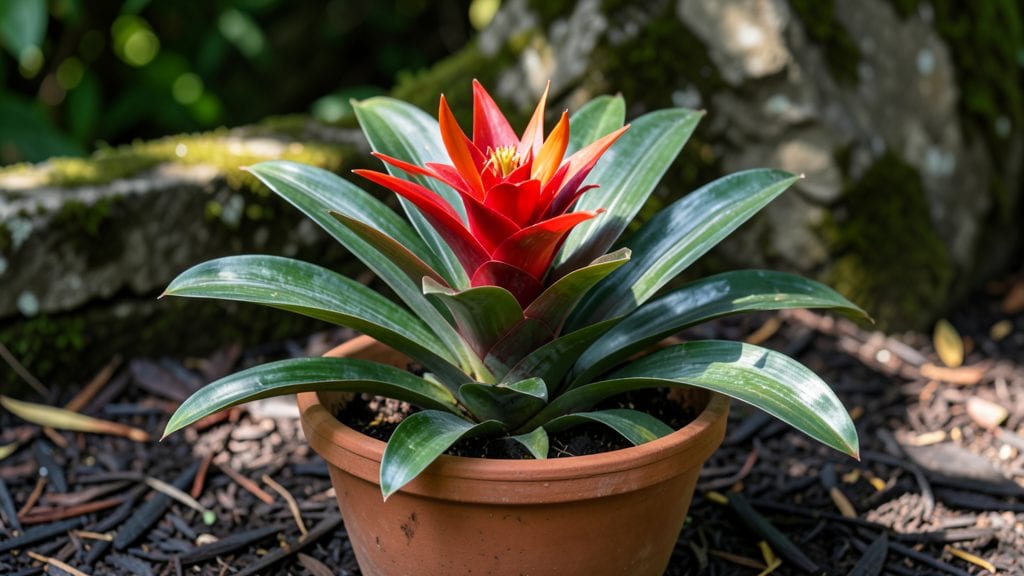
The Curitiba Botanical Garden is a breathtaking showcase of Brazil’s natural beauty, featuring rare orchids, native forest trails, and themed gardens like the Japanese and Medicinal Plants sections. Since its founding in 1888, it has preserved stunning landscapes, including a historic magnolia tree and exotic bromeliads, while offering free admission on Sundays for plant lovers and eco-tourists.
The Curitiba Botanical Garden isn’t just a park—it’s a living laboratory where conservation meets artistry. 🌿 With over 20,000 orchid varieties alone, it’s a haven for rare species like the black orchid (Cattleya labiata), which thrives in its climate-controlled greenhouses.
The garden’s Atlantic Forest restoration project also protects endangered flora, while its medicinal plant collection draws researchers studying sustainable farming. Whether you’re chasing rare blooms or simply soaking in the tranquility, this 136-year-old sanctuary delivers an unforgettable experience.
What sets this garden apart is its seamless blend of education and immersion. Themed sections like the Fern House and Bromeliad Walk offer quiet escapes, while guided tours reveal the science behind its preservation efforts.
Pro tip: Visit on Sundays for free entry, then stroll to nearby Café do Jardim for a coffee break surrounded by lush greenery. It’s the perfect way to connect with nature without breaking the bank.
💡 In This Article
- Botanical Wonders: Curitiba’s Rare Plant Species and Ecosystems
- Visiting Tips: Best Times and Hidden Gems in Curitiba’s Gardens
Botanical wonders: Curitiba’s rare plant species and ecosystems
The garden’s 20,000+ orchid collection represents one of the most diverse in the world, with species like the black orchid (Cattleya labiata) and the golden shower orchid (Oncidium sphacelatum).
These plants thrive in the garden’s climate-controlled greenhouses, where humidity levels stay between 60-80% and temperatures are maintained at 75-85°F—mimicking their natural tropical habitats. The orchids’ vibrant colors range from deep purples to fiery oranges, creating a visual spectacle that changes with each season.
Beyond orchids, the garden preserves endangered Atlantic Forest flora, including bromeliads like the queen of the air (Tillandsia cyanea), which grows without soil by absorbing moisture from the air.
The garden’s restored forest fragments cover over 35 acres and serve as critical habitats for species like the golden lion tamarin, a tiny endangered primate. These ecosystems function as living laboratories, helping scientists study biodiversity conservation and climate adaptation in real-time.
The medicinal plant collection is another standout, featuring over 500 species used in traditional Brazilian medicine. Plants like aloe vera and peppermint are cultivated for research into sustainable agriculture and natural remedies.
Visitors can observe how these plants are grown using hydroponic systems, which reduce water usage by up to 90% compared to traditional soil farming. This section is particularly popular with students and researchers studying phytotherapy.
One of the garden’s oldest residents is the 200-year-old magnolia tree, a towering specimen with glossy leaves and fragrant white flowers that bloom in late spring. Its massive trunk, measuring over 12 feet in circumference, provides shade for smaller plants below.
Nearby, the Japanese Garden features koi ponds and meticulously pruned bonsai trees, offering a serene contrast to the wild Atlantic Forest trails.
The garden’s layered landscapes create a sensory journey, from the earthy scent of damp soil in the forest to the citrusy aroma of eucalyptus in the medicinal plant section.
What makes the garden’s ecosystems so resilient is its integrated water management system. Rainwater is collected and filtered through bio-swales before being reused to irrigate plants, reducing waste by 80%. This approach not only conserves resources but also supports native species that thrive in humid subtropical climates.
The garden’s success in balancing conservation and accessibility has earned it recognition as a model for urban green spaces worldwide.
The garden’s Fern House, a glass-domed structure, is a hidden gem where 500 fern species flourish in a misty, otherworldly environment. Here, delicate ferns like the maidenhair fern cascade from shelves, their fronds shimmering in the dappled light.
This space exemplifies how the garden uses architecture and technology to create microclimates for sensitive plants. It’s a reminder of nature’s fragility—and the garden’s commitment to protecting it.