
Pests
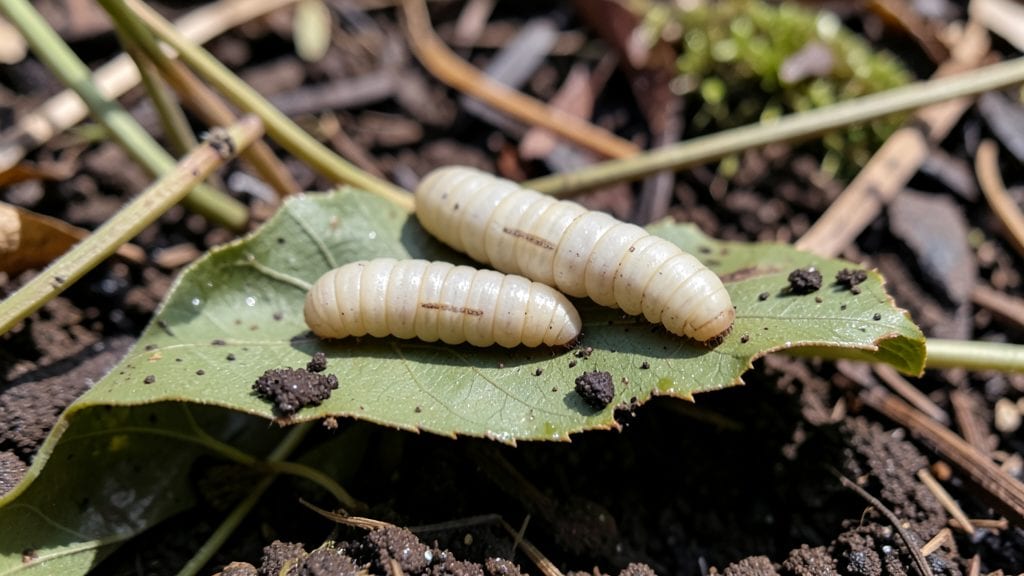
Cutting worms in garden can turn your thriving seedlings into overnight snacks. 🌱 I learned the hard way when my tomato starts vanished overnight—until I discovered diatomaceous earth as a game-changer.
This powdery barrier works by dehydrating worms without harming plants or pollinators, giving you a chemical-free way to protect your garden.
The secret lies in timing and placement. Sprinkle a thin layer around young plants at dusk when worms are most active, and reapply after rain. It’s not just about stopping the damage—it’s about creating a shield that lasts through the growing season.
You’ll notice fewer chewed stems within days, and your seedlings will grow strong instead of struggling to recover.
This method works for vegetables, flowers, and even herbs, making it versatile for any garden plot. The best part? It’s safe for pets and kids once settled, so you can protect your garden without worrying about toxicity.
Once you try it, you’ll wonder how you ever dealt with cutworms any other way.
For extra defense, combine it with collars around stems or companion plants like marigolds. The key is consistency—check your barrier weekly until the worms move on. Your garden’s future starts with this simple, natural step.
Root Causes of Garden Damage
If you’ve noticed your plants suddenly wilting, leaves chewed to a crisp, or stems mysteriously severed at ground level, cutworms are likely the culprits. These nocturnal pests thrive in gardens but rarely make themselves visible until the damage is done.
Understanding why they target your plants—and what conditions make your garden their all-you-can-eat buffet—is the first step to stopping them. Let’s break down the science behind their behavior.
Cutworms are drawn to gardens where soil is soft, moist, and packed with organic matter—basically, their version of a five-star restaurant. Overwatered or heavily fertilized soil creates the perfect environment for their larvae to burrow, hide, and feed undetected.
- Why it happens: Excess nitrogen in soil (from compost, manure, or synthetic fertilizers) boosts plant growth—and cutworm populations. The larvae sense the abundance of tender young shoots and stems, making them easier to cut down.
- Actionable insight: Test your soil’s nitrogen levels. If it’s high, balance it with phosphorus and potassium to deter pests while still supporting plant health.
- Pro tip: 💡 Avoid applying fresh mulch or compost too close to plant stems—this creates a cozy hideout for cutworms.
Cutworms are nocturnal and thrive in damp conditions. If your garden stays moist overnight—whether from irrigation, dew, or rain—you’re essentially rolling out the welcome mat for these pests.
- Why it happens: Their skin is sensitive to drying out, so they seek out shaded, humid spots. After dark, they crawl up plant stems to feed, using their sharp mandibles to sever them like scissors.
- Actionable insight: Water gardens in the morning instead of evening to allow soil to dry slightly before nightfall. Use drip irrigation to avoid wetting foliage, which attracts cutworms.
- Pro tip: 🌡️ If your garden is in a low-lying area where moisture lingers, consider raised beds or improving drainage to make it less inviting.
Cutworms have a weakness for vulnerable plants—especially seedlings, transplants, and stressed vegetation. The younger and softer the plant, the easier it is for them to chew through stems in minutes.
- Why it happens: New growth lacks the tough, woody defenses of mature plants. Cutworms prioritize these low-hanging fruit because they require less effort to consume.
- Actionable insight: Protect seedlings with collars made of cardboard or foil (bury them 1–2 inches into the soil around the stem). This creates a physical barrier they can’t navigate.
- Pro tip: ✨ Harden off transplants gradually before planting—stressed plants are more susceptible to attack.
In a balanced ecosystem, birds, toads, ground beetles, and parasitic wasps keep cutworm populations in check. But if your garden lacks biodiversity—or you’ve used pesticides that harm these predators—cutworms can explode in numbers.
- Why it happens: Chemical pesticides often kill beneficial insects first, leaving cutworms with no competition. Without their natural enemies, their larvae multiply unchecked.
- Actionable insight: Encourage predator habitats by adding birdhouses, toad-friendly rocks, and native plants that attract beneficial insects.
- Pro tip: 🔥 Plant marigolds, dill, or fennel near vulnerable plants—their strong scents repel cutworms while attracting their predators.
Now that you know why cutworms are wreaking havoc in your garden, the next step is learning how to outsmart them—starting with a diatomaceous earth barrier that’s tough on pests but safe for your plants. Stay tuned!
Natural Ways to Stop Worms Devouring Your Garden
Discovering that cutting worms—those sneaky, nocturnal pests—are shredding your plants can feel like a gardening nightmare. But don’t reach for harsh chemicals just yet! With the right strategies, you can protect your garden naturally while keeping your soil healthy.
Below, we break down practical, effective solutions tailored to the most common causes of worm damage, plus prevention tips to keep your garden thriving.
If your garden soil is too wet or packed down, cutting worms thrive in the damp, squishy conditions they love. Here’s how to dry out their playground and make your plants less appealing:
- 🌱 Improve Drainage
- Amend heavy clay soil with compost or sand to loosen it up.
- Raise beds slightly or add gravel layers beneath containers to prevent waterlogging.
- 💧 Adjust Watering Habits
- Water deeply but less frequently—aim for 1 inch per week (including rain).
- Avoid overhead watering; use drip irrigation or soaker hoses to keep foliage dry.
- ⏰ Mulch Strategically
- Use straw or wood chips (not thick layers) to retain moisture without creating a worm paradise.
- Keep mulch 2–3 inches away from plant stems to prevent rot and pest attraction.
💡 Pro Tip: If your soil stays soggy for days, consider planting drought-tolerant varieties like lavender, sedum, or rosemary—cutting worms despise their dry, woody stems!
Cutting worms are surface-dwellers at night, making them easy to lure and trap. Try these low-tech, chemical-free methods:
- 🥘 Beer Traps (Yes, Really!)
- Bury a shallow container (like a plastic cup) filled with beer or yeast water near affected plants.
- Worms are attracted to the scent and drown overnight. Check traps every morning and refresh the liquid.
- 🔪 DIY Collar Barriers
- Wrap the base of young plants with cardboard, copper tape, or crushed eggshells to create a physical barrier.
- For larger plants, use a 1-inch-wide strip of aluminum foil buried 2 inches deep around the stem.
- 🌙 Nighttime Flashlight Patrol
- Shine a bright light on plants after dark—cutting worms freeze when exposed. Pick them off by hand and drop them in soapy water.
- Repeat for 3–4 nights to break their cycle.
✨ Bonus: Plant marigolds or garlic nearby—their strong scents repel worms naturally!
One of the most effective and eco-friendly solutions is food-grade diatomaceous earth (DE). This powdery substance dehydrates worms on contact without harming plants or beneficial insects. Here’s how to use it:
- 🔥 Apply DE Correctly
- Sprinkle a thin, even layer (about 1–2 tbsp per sq. ft.) around plant bases, avoiding direct contact with leaves.
- Reapply after rain or watering—it loses effectiveness when wet.
- 🌡️ Timing Matters
- Apply in the early evening when worms are most active.
- Check for pests 24–48 hours later—you’ll see results fast!
- 🎯 Combine with Other Methods
- Use DE alongside beer traps or barriers for a two-pronged attack.
- Avoid mixing with oil-based sprays, as they can reduce DE’s effectiveness.
💡 Safety Note: Wear a dust mask when applying DE—it’s non-toxic but can irritate lungs if inhaled.
Let nature do the work! Attract worm-eating predators to your garden with these simple steps:
- 🐦 Invite Birds and Toads
- Install a bird feeder or bath to lure robins, starlings, and thrushes—their favorite snack?
- Create toad houses (upside-down clay pots with pebbles) in shady spots.
- 🐍 Support Ground Beetles and Spiders
- Avoid pesticides—these tiny hunters feast on cutting worms.
- Plant native wildflowers to attract their prey (like slugs and insects).
- 🐍 Introduce Chickens (If Possible!)
- Free-range chickens love munching on cutting worms—just supervise to prevent digging.
- Even a few ducks or guinea fowl can help keep populations in check.
🎯 Long-Term Prevention: Rotate crops yearly and avoid planting susceptible veggies (like tomatoes or corn) in the same spot—worms return to familiar feeding grounds!
With these targeted, natural solutions, you can regain control of your garden without resorting to chemicals. Start with one or two methods, monitor progress, and adjust as needed. Happy gardening—your plants will thank you! 🌿
Frequently asked questions about garden cutworms
How do I know if cutworms are attacking my garden?
Look for plants that suddenly wilt or collapse at the base—cutworms chew stems cleanly at soil level, leaving no visible bite marks. Check under mulch or leaves at dusk (their active time) for the pale, inch-long caterpillars. Young seedlings are their favorite target!
Can I use diatomaceous earth on edible plants?
Yes! Food-grade diatomaceous earth is safe for vegetables, herbs, and fruits once settled. Just avoid direct contact with leaves (it can irritate foliage) and reapply after rain. The powder works by dehydrating worms—no residue remains on harvestable parts.
What's the fastest way to eliminate cutworms?
For immediate results, combine a beer trap (bury a cup of beer near plants) with a nighttime flashlight patrol. Shine a light on plants after dark—worms freeze when exposed, making them easy to pick off. Repeat for 3 nights to break their feeding cycle.
Will chickens really eat cutworms?
Free-range chickens are natural cutworm predators. Just let them roam your garden for 15–20 minutes daily—they’ll find and eat worms while leaving plants unharmed. For small gardens, ducks or guinea fowl work too!
Can cutworms survive winter?
Yes, they overwinter as pupae in soil or leaf litter. To reduce next year’s infestation, remove garden debris in fall and till soil lightly (if possible) to expose pupae to cold. Early spring is the best time to apply diatomaceous earth as a preventive barrier.