
Vegetables
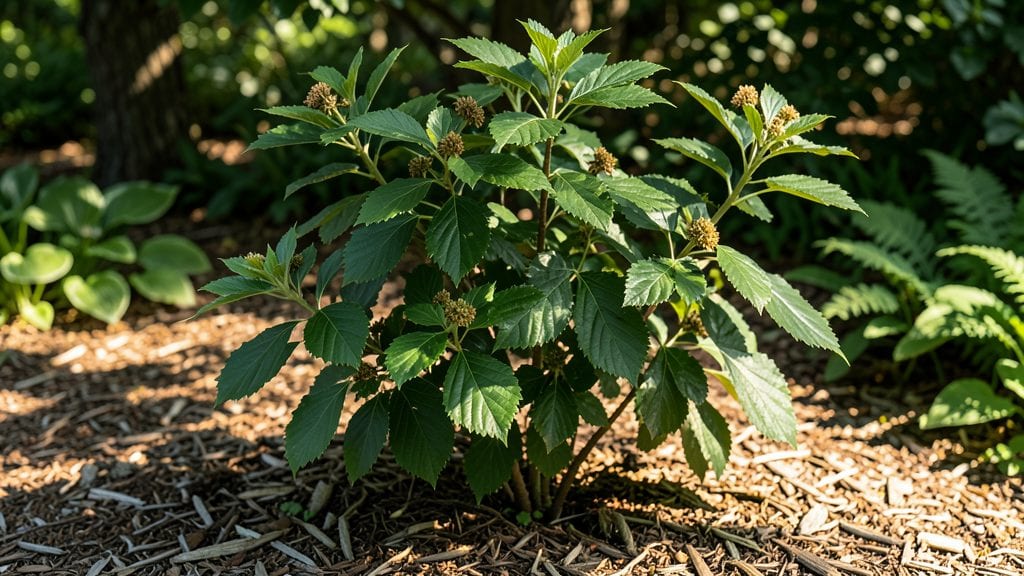
DC's garden zone includes USDA Hardiness Zones 7a and 7b, where winter lows range from 0°F to 10°F (-18°C to -12°C), making it ideal for growing cold-tolerant vegetables like kale, spinach, and broccoli, as well as hardy perennials such as lavender and daylilies.
This classification means DC gardeners can enjoy extended growing seasons for frost-resistant crops, with the last spring frost typically occurring around mid-April and the first fall frost hitting in late October.
The urban heat island effect in DC can create microclimates where some areas stay slightly warmer, allowing for slightly earlier plantings in those spots. 🌿 For example, while Brussels sprouts thrive in this zone, they need cooler temperatures to develop their best flavor, so timing your planting to mature before winter sets in is key.
Beyond vegetables, DC's climate supports a variety of perennials that return year after year with minimal care. Lavender, for instance, not only survives but thrives in this zone, offering both beauty and practical uses like culinary seasoning. Daylilies are another excellent choice—they bloom reliably and handle the temperature swings well.
The key to success here is choosing plants that match your specific microclimate, whether you're dealing with a sun-drenched city block or a shadier backyard.
💡 In This Article
- Understanding DC’s USDA Plant Hardiness Zones 7a and 7b
- Top Cold-Resistant Vegetables and Perennials for DC Gardens
Understanding DC’s USDA plant hardiness zones 7a and 7b
Here's what's actually happening in DC's climate that defines these zones: The 7a and 7b classifications represent average annual minimum temperatures of 0°F to 10°F (-18°C to -12°C), meaning plants must survive these cold snaps to thrive.
The key factor is DC's last spring frost typically arrives around April 15th, while the first fall frost usually hits October 31st, creating a 175-day growing season - about 10 days longer than Zone 6 areas. This extended window allows for two full vegetable harvests in many cases.
What most people don't realize is how DC's urban heat island effect creates microclimates that can shift your effective zone by half a zone or more. Concrete surfaces and dense buildings absorb and radiate heat, making city centers 2-5°F warmer than surrounding rural areas.
This means your inner-city garden might behave more like Zone 7b or even 8a in summer, while outer neighborhoods stay closer to the official classification. For example, a rosemary bush (Zone 8) might survive winters in Petworth but fail in Takoma Park during harsh winters.
The science behind this involves heat capacity differences between urban and natural landscapes. Asphalt and brick store heat during the day and release it slowly at night, creating warmer nighttime temperatures that extend growing seasons.
This urban warming effect is particularly noticeable in July and August, when city temperatures can peak 5-10°F higher than nearby rural areas. For gardeners, this means you can push the limits on heat-loving crops like tomatoes and peppers in urban microclimates.
These temperature variations directly impact plant survival rates. A zone 7a plant has a 90% chance of surviving DC winters, while zone 6 plants drop to 50-70% survival without protection. The 10°F difference between zones translates to about 3 weeks of additional cold tolerance.
For example, Russian kale (Zone 3) thrives here, while Swiss chard (Zone 4) may need winter mulch. The hardiness zone map essentially predicts where 50% of plants will survive - so pushing into zone 6 plants means taking calculated risks.
Understanding these patterns helps determine your planting windows. Cool-season crops like spinach and peas can go in as early as February in protected microclimates, while warm-season crops like cucumbers should wait until May 15th after soil reaches 60°F.
The 10°F temperature difference between zones translates to about 10 days of additional frost-free growing time in zone 7b compared to 7a - crucial for determining when to plant heat-sensitive crops like basil.
One practical example: Broccoli planted in early September will develop sweeter flavors from the cold snaps of October, but must be harvested before 20°F temperatures arrive. In zone 7a, this means harvesting by November 1st, while zone 7b gardeners get until November 15th.
This two-week difference can mean the difference between a bountiful harvest and wasted plants.
The bottom line is that DC's zones give you a flexible framework rather than strict rules. By observing your specific microclimate and tracking local frost dates, you can extend growing seasons by 2-4 weeks in either direction.
This is why successful DC gardeners maintain detailed planting records - they learn their neighborhood's unique patterns over time. 🌿