
Advice
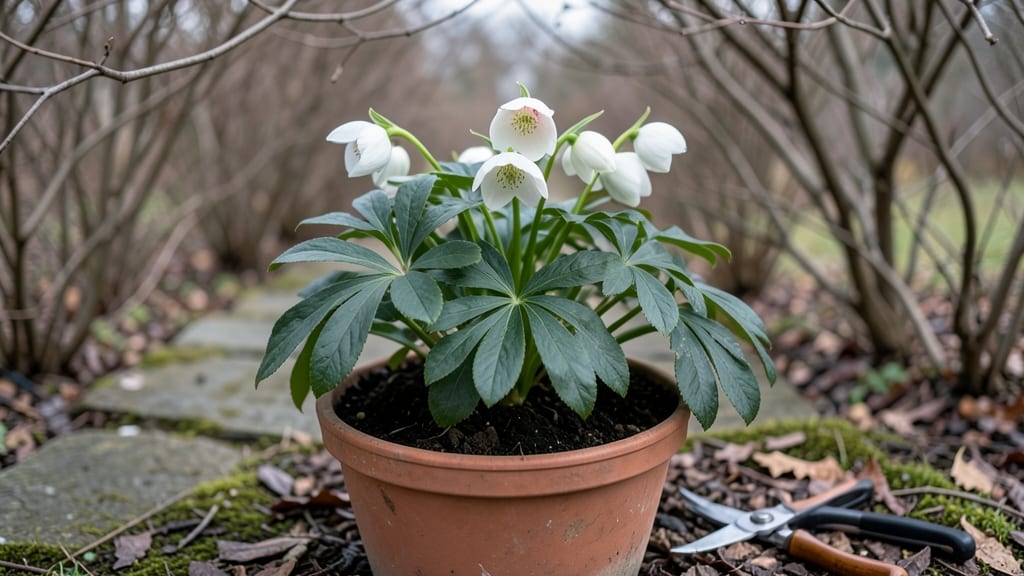
December garden planning isn't about giving up—it's about setting up next year's showstopper while enjoying winter's quiet magic. ✨ I still remember the first time I saw hardy kale thriving under snow, or how winter-blooming hellebores pushed through frost to reveal their delicate cups.
The key is working with winter's rhythm, not against it.
You don't need fancy equipment—just a few cold-hardy plants, some mulch, and a little winter curiosity. We're talking kale that tastes sweeter after frost, snowdrops that bloom before spring, and evergreen shrubs that add structure when everything else sleeps.
Even in deep freezes, these plants keep growing, just slower and smarter.
By February, you'll have a garden that looks alive even in the coldest months—velvety hellebore leaves, crisp winterberry clusters, and the promise of spring bulbs already tucked safely in the soil. The best part? All this prep now means less work when spring finally arrives.
Whether you're working with raised beds, containers, or just a sunny windowsill, December gardening builds resilience. Let's turn these short days into the foundation for a garden that keeps giving, even when the world goes quiet.
📚 In This Guide
- What you need
- Instructions
- Tips and common mistakes
- Wrapping up and next steps
What you need
- ● Potted plants (3-5): 1 Amaryllis (bulb, pre-planted or bare bulb)
- ● 1 Christmas Cactus (flowering variety, 6-8" pot)
- ● 1 Poinsettia (standard 6" pot, vibrant red/white/pink)
- ● 1 Cyclamen (4-6" pot, white/pink/purple blooms)
- ● 1 Eucalyptus or Pine (small branch, 12-18" long, for texture)
- ● Soil & Fertilizer: 1 bag well-draining potting mix (10-12 quarts)
- ● 1 balanced liquid fertilizer (10-10-10 or 20-20-20, 8 oz bottle)
- ○ 1 slow-release bulb fertilizer (optional, for amaryllis)
- ● Containers: 3-5 decorative pots (6-8" diameter, with drainage holes)
- ● 1 shallow tray or saucer (for water collection, if needed)
- ● Basic Tools: 1 pair gardening gloves (nitrile or leather)
- ● 1 small trowel (for planting bulbs)
- ● 1 spray bottle (for misting, 8 oz)
- ● 1 measuring cup (for soil/fertilizer)
- ● Fairy lights or LED candles (battery-operated, waterproof)
- ● Miniature holiday decorations (wooden beads, tiny ornaments)
- ● Sheep’s wool or moss (for rustic container styling)
- ● Cinnamon sticks or star anise (for subtle fragrance)
- ● Self-watering pot liner (if containers lack drainage)
- ● A sunny windowsill or indoor grow light (6+ hours of light/day for best blooms)
- ● Access to room-temperature water (avoid cold water on roots)
- ● Patience! Most plants take 4-6 weeks to show color after planting.
Instructions for a December garden that blooms all winter
Here's how to create a vibrant winter display with plants that thrive in cold weather.
🌱 Step 1: Select Cold-Hardy Plants for December
Choose plants that naturally bloom in winter or tolerate frost. Pansies, violas, and snapdragons are my top picks—they handle 20-30°F temperatures and come in cheerful colors. Avoid tender annuals like petunias or geraniums, which won't survive below 35°F.
For structure, add ornamental grasses like fountain grass or little bluestem, which hold their form in winter. These plants need full sun to partial shade—most winter bloomers thrive in 4-6 hours of sunlight daily. If your garden gets heavy snow, opt for low-growing varieties to prevent stems from snapping under weight.
🪴 Step 2: Prepare the Soil Before Planting
Work in 2-3 inches of compost to improve drainage and fertility, which cold soils often lack. I like to mix it into the top 6 inches of soil for best results. Avoid tilling when the ground is frozen—wait until soil is workable, usually after a 40°F day.
For containers, use a well-draining potting mix and add a handful of slow-release fertilizer. Place pots in sheltered spots to protect roots from freezing winds. Mulch heavily with 2-3 inches of straw or shredded leaves to insulate the soil and retain moisture—this is especially critical in December when evaporation slows but watering is harder.
☀️ Step 3: Plant in Stages for Continuous Color
Start by planting early bloomers like pansies and hellebores in early December for January-February color. Add violas and winter aconite in late December for February-March displays. Space plants 8-12 inches apart to allow air circulation, which prevents fungal diseases that thrive in damp winter conditions.
Water thoroughly after planting to settle the soil and encourage root growth. You'll notice new growth appearing in 2-3 weeks if conditions are right—look for fresh leaves or flower buds pushing through the soil. This is your signal that roots have established and the plants are settling in for winter.
💧 Step 4: Water and Protect During Freezes
Water deeply once a week unless you get 1 inch of rain or snow. Let the top 1-2 inches of soil dry between waterings to prevent soggy roots. In freezing temperatures, water in the late afternoon so moisture has time to soak in before nightfall.
Cover tender plants with frost cloth or blankets when temperatures drop below 25°F. Remove covers during the day to allow sunlight and air circulation. You'll see frost damage as brown, crispy leaves—simply trim these off to encourage new growth from healthier stems below.
✂️ Step 5: Maintain and Extend the Season
Deadhead spent blooms regularly to encourage more flowers and prevent seed formation. For grasses, cut back old growth in early spring to make room for new shoots. I like to add a light application of balanced fertilizer (10-10-10) in mid-January to give plants a boost before their main blooming season.
Watch for pests like slugs and snails that become more active in mild winter spells. Set out beer traps or use organic slug bait around vulnerable plants. With proper care, your December garden will reward you with color and life when most gardens are dormant.
Tips & tricks for a thriving December garden
Here's what I've learned from years of winter gardening—these tricks will help your December garden flourish when others are dormant.
Plant Selection Wisdom: When choosing between pansies and violas in Step 1, opt for violas if you want plants that tolerate even colder temperatures down to 20°F. Pansies are more colorful but only handle down to 25°F. I've found that violas also bloom later into spring, giving you extra color. For heavy snow areas, select compact varieties like 'Winter Pansy' or 'Black Prince' viola—they won't flop under snow weight.
Soil Prep Secret: In Step 2, don't skip the 40°F soil temperature check before tilling—cold soil compacts easily and can damage roots. I test with my finger: if it's too cold to comfortably hold a handful of soil, wait another day. For containers, add a handful of perlite to your potting mix to improve drainage, especially important when evaporation slows in winter.
Staggered Planting Strategy: The 2-3 week growth window mentioned in Step 3 is your best friend for continuous blooms. I like to add a third planting of winter jasmine in mid-December—it blooms in late winter when other plants are winding down. Space your plantings in a triangle pattern: early bloomers in the front, mid-season in the middle, and late bloomers at the back.
Frost Protection Hacks: For the 25°F threshold in Step 4, I've found that old-fashioned methods work best. Use burlap sacks instead of plastic—plastic traps moisture and can cause rot. When covering, leave the tops open slightly to allow air circulation. You'll know it's working when you see frost crystals forming on the outside of the cover but not on the plants inside.
Pro Tips for December Garden
- Here's what I've learned from years of winter gardening—these tricks will help your December garden flourish when others are dormant.
- Plant Selection Wisdom: When choosing between pansies and violas in Step 1, opt for violas if you want plants that tolerate even colder temperatures down to 20°F.
- Soil Prep Secret: In Step 2, don't skip the 40°F soil temperature check before tilling—cold soil compacts easily and can damage roots.
Frequently asked questions
Got questions about keeping your garden vibrant in December? Here are some common ones—and their easy answers!
Can I still plant in December, or is it too late?
December is a great time for cool-season plants like kale, spinach, and pansies! Just focus on hardy varieties and avoid frost-sensitive flowers. If you’re in a mild climate (zones 7–10), you can even plant spring bulbs like tulips for early blooms. Pro tip: Use mulch to protect roots from cold snaps!
How do I protect my December garden from frost?
Frost can be tricky, but these tricks help:
- Cover plants with frost cloth or old blankets at night.
- Water gardens before a freeze—moist soil holds heat better.
- Group tender plants together to create a microclimate that traps warmth.
What are the easiest December flowers to grow?
Skip the fuss with these low-maintenance picks:
- Pansies – Blooms in cold weather, comes in vibrant colors.
- Sweet Alyssum – Fragrant, thrives in cool temps, and deters pests.
- Calendula – Edible, pest-repellent, and cheerful.
- Winter Jasmine – Hardy shrub with bright yellow flowers.
Can I use December garden produce in cooking?
December harvests like kale, carrots, and garlic are kitchen superstars. Try roasting kale with olive oil and garlic or whipping up a carrot and ginger soup. For herbs, chop fresh rosemary into stews or sprinkle thyme on roasted veggies. Pro tip: Harvest greens in the morning for peak flavor!
What if my December garden looks sad or stops growing?
Don’t worry—it’s normal! Slow growth in winter is expected. To revive your garden:
- Check for overwatering (root rot is a December risk).
- Add a balanced fertilizer (like 10-10-10) for a gentle boost.
- Prune dead foliage to encourage new growth.
- Move containers to a sunnier spot if possible.
Wrapping up and next steps
December doesn’t have to be a dormant month for your green thumb!
With a few zero-fuss plants and smart planning, you can enjoy vibrant blooms and lush greenery even in winter. 🌿 Whether you’re a beginner or a seasoned gardener, these tips prove that year-round beauty is totally achievable—no greenhouses or complicated setups required.
Ready to transform your space? Start small—pick one plant from our list, grab your supplies, and get planting! Before you know it, your December garden will be the coziest, most colorful spot in the house. Happy gardening! 🌸