
Pests
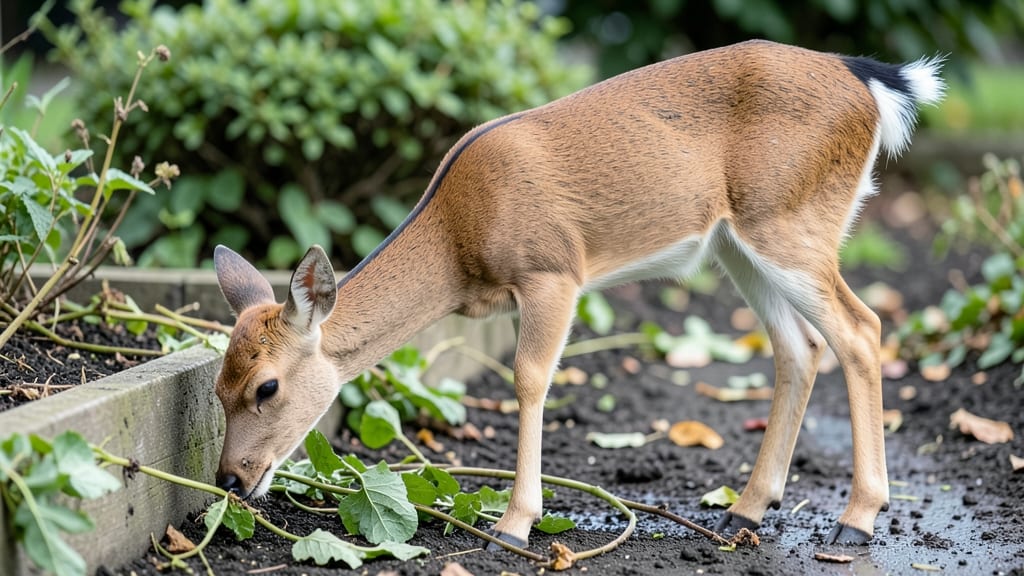
When deer turn your garden into their all-you-can-eat buffet, it’s time for a game-changing strategy. 🌿 I’ve lost count of the times I’d wake up to chewed zucchini vines and skeletonized hostas—until I discovered these foolproof natural barriers that actually work.
The key isn’t just one trick but a layered approach that confuses, deters, and ultimately outsmarts them.
Most gardeners throw up fences or spray harsh chemicals, but those solutions often fail or harm the ecosystem. Instead, I’ve perfected a mix of physical barriers (like tall fencing or raised beds), plant-based repellents (garlic, hot pepper, or deer-resistant perennials), and motion-activated deterrents that send deer running without harming them.
The best part? These methods blend seamlessly into your landscape and keep working season after season.
By the end of this, your garden will be deer-proof—not just for a few weeks, but all season long. Imagine walking outside to find your tomatoes still intact, your hostas unscathed, and your peace of mind restored.
The secret lies in understanding deer behavior and using their natural instincts against them. Let’s get started with the tactics that have saved my garden (and my sanity) year after year.
Whether you’re dealing with a few curious bucks or a full-blown herd, these solutions adapt to any garden size or layout. No more waking up to devastation—just a thriving, deer-free oasis where your plants can finally grow undisturbed.
Here’s how to make it happen without breaking the bank or the ecosystem.
Why Deer Keep Invading Gardens
Deer may look graceful as they glide through wooded areas, but when they turn their attention to your garden, they can become a voracious and costly nuisance. Understanding why deer target gardens—and what drives their behavior—is the first step to protecting your hard work.
Here’s a breakdown of the key reasons behind their garden raids, backed by science and real-world observations.
Deer are selective browsers, not indiscriminate grazers. They’re drawn to plants that are:
- Tender and young: New shoots, seedlings, and soft-stemmed plants (like lettuce, hostas, or daylilies) are easy to eat and digest. Why? Young plants have higher moisture and nutrient content, making them a quick, energy-rich snack.
- High in protein and carbohydrates: Deer prioritize plants like clover, beans, and fruit-bearing shrubs (e.g., raspberries, grapes). Science note: A study in Journal of Wildlife Management found deer prefer foods with 12-18% protein—your garden’s veggies often fit this profile.
- Scented or aromatic: Herbs like mint, basil, and lavender may repel pests, but their strong fragrances can attract deer instead. Pro tip: Deer use scent trails to locate food, so concentrated aromas act like a dinner bell.
💡 Actionable fix: Swap deer magnets for deer-resistant plants like marigolds, daffodils, or Russian sage. These contain natural compounds (e.g., alkaloids) that deer find unpalatable.
Deer don’t wander randomly—they target gardens near their home ranges. If your property offers:
- Cover and concealment: Dense shrubs, tall grass, or wooded edges provide deer with escape routes and hiding spots while they feed. Wildlife fact: Deer feel safer grazing when they can retreat quickly (usually within 30–50 feet of cover).
- Water sources: Gardens with ponds, birdbaths, or even damp soil attract deer year-round. Why? Water is critical for digestion, especially after eating fibrous plants.
- Minimal human disturbance: Deer avoid areas with frequent noise, lights, or activity. If your garden is quiet and secluded, it becomes a prime feeding zone.
🔥 Science-backed insight: Research from Texas A&M University shows deer populations increase by 20–30% in suburban areas compared to rural zones—because gardens offer easy, high-calorie meals with fewer predators.
Deer aren’t just hungry—they’re seasonally driven by food scarcity and reproductive needs. Key triggers include:
| Season | Why Deer Raid Gardens | Peak Risk Period |
|---|---|---|
| 🍂 Fall | Deer bulk up for winter by consuming 20–30% more food. Gardens with fallen fruit, acorns, or corn are irresistible. Fun fact: A mature deer can eat 6–8 pounds of food daily in fall! | October–November |
| ❄️ Winter | Snow covers natural forage, forcing deer to rely on evergreens and garden crops. Critical note: Starving deer are more aggressive and will eat bark or twigs if nothing else is available. | December–February |
| 🌱 Spring | Does (female deer) need extra nutrition to nurse fawns, leading to increased grazing. New garden growth (like sprouting bulbs) is a protein-rich target. | March–May |
✨ Pro tip: Timing is everything. If you plant fall crops (like kale or broccoli) after deer have finished their summer grazing, you might avoid early-season damage.
In the wild, deer avoid plants with:
- Toxic compounds: Foxglove, oleander, or milkweed contain chemicals that deter browsers.
- Hairy or prickly textures: Plants like lamb’s ear or holly are physically unappealing.
- Strong odors: Deer dislike garlic, onion, or rotting eggs (yes, really!).
Your manicured garden, however, often lacks these defenses. Result? Deer see it as a safe, easy meal with no built-in repellents.
🎯 Solution: Mimic nature by incorporating deer-proof plants or using smell-based repellents (like predator urine or commercial sprays with capsaicin).
Next up: Learn how to block deer access with physical barriers that actually work—no guesswork required!
Stop Deer Damage Fast
Deer can turn your garden into a buffet overnight, but the good news is that you don’t need to resort to harsh chemicals or expensive fencing to keep them away. With the right strategies, you can protect your plants instantly while also preventing future visits.
Below, we’ve mapped out practical, deer-proofing solutions based on the most common causes of garden raids—so you can pick the fix that works best for your space and budget.
Deer are opportunistic grazers, and if your garden looks like an all-you-can-eat salad bar, they’ll keep coming back. The fastest way to stop them? Remove the temptation and make your yard less appealing.
🔥 Use Physical Barriers (Instant Protection)
If deer are already munching on your plants, physical barriers are your best bet for immediate results. Here’s how to set them up without breaking the bank:
- 🍳 Plant Deer-Resistant Alternatives Swap out their favorite snacks (hostas, tulips, roses) with plants deer avoid, like:
- Herbs: Rosemary, thyme, lavender, oregano
- Flowers: Marigolds, snapdragons, daffodils, alliums
- Vegetables: Peppers, onions, garlic, and leafy greens like kale (deer tend to skip these)
- 💡 Pro Tip: Deer dislike strong scents and fuzzy textures—plant these near high-risk areas for extra protection.
- 👨🍳 Install Temporary Fencing (Quick Fix) Deer can jump 8 feet high, so standard chicken wire won’t cut it.
Instead: - Use 8-foot-tall fencing (metal or wood) around your garden beds. - For smaller gardens, flexible deer netting (staked to the ground) works well. - ⏰ Time-Saver: Pre-made deer-proof mesh panels (like those from Gardeners.com) snap together in minutes.
- 🥘 Create a "Deer Buffer Zone" Plant a border of deer-deterrent shrubs (e.g., boxwood, barberry, or Russian olive) around your garden’s perimeter. The thorns and strong smell will discourage them from even approaching.
Sometimes, deer wander into gardens out of curiosity or because they’re drawn to water, shelter, or food scraps. If they’re not eating your plants but still lingering, alter their perception of your yard.
🎯 Disrupt Their Senses (Natural Deterrents)
Deer have sharp senses of smell and taste, so you can trick them into thinking your garden is unsafe or unappetizing.
- 🔪 Spray Repellents (DIY or Store-Bought) - Homemade Spray: Mix 1 quart of water + 1 tbsp cayenne pepper + 1 tbsp garlic powder + 1 tsp dish soap.
Spray on leaves (reapply after rain). - Commercial Options: Products like Liquid Fence or Deer Out (contains putrescent egg odor) are highly effective. - 💡 Pro Tip: Reapply repellents every 1-2 weeks or after heavy rain for best results.
- 🌡️ Use Motion-Activated Deterrents Deer hate sudden noises and movements.
Try: - Motion-activated sprinklers (like the ScareCrow)—they spray water when deer approach, startling them away. - Ultrasonic repellents (e.g., DeerScramble) emit high-frequency sounds that irritate their ears. - 🎯 Bonus: Combine with reflective tape or old CDs hung from trees—they create flashing lights that confuse deer.
- 🌿 Add "Guard Plants" with a Bite Plant thorny or toxic plants around your garden’s edges to create a natural barrier:
- Thorny Roses, Barberry, or Holly (physical deterrent)
- Foxglove or Oleander (toxic to deer—use sparingly, as they’re also poisonous to pets/kids)
- 💡 Pro Tip: Avoid planting toxic species near walkways or play areas.
If deer are starving or desperate (common in late winter or drought), they’ll eat anything. In these cases, you need to outsmart their survival instincts.
✨ Long-Term Prevention Strategies
- 🌱 Provide Alternative Food Sources Set up a wildlife feeding station far from your garden with:
- Clover, alfalfa, or corn (deer favorites)
- A small pond or birdbath (deer drink water daily—place it away from your garden)
- 💡 Pro Tip: Use a deer feeder (like the Wildlife Feeder by Country Curtain) to keep them occupied elsewhere.
- 🌙 Light Up the Night Deer are nocturnal grazers. Install motion-activated floodlights (like the Solar-Powered Pathway Lights) to startle them when they approach after dark.
- 🚫 Block Their Favorite Entry Points
- 🔪 Trim tree branches hanging over your garden (deer use them as jumping platforms).
- 🌿 Clear brush and tall grass near your yard—deer hide in dense cover before striking.
- ✨ Bonus: Plant low-growing ground covers (like creeping thyme) to eliminate hiding spots.
| Problem | Fast Solution | Prevention Tip |
|---|---|---|
| Deer are eating plants | Install 8-ft fencing or deer netting | Plant deer-resistant herbs/flowers |
| Deer are curious | Use motion-activated sprinklers or repellents | Hang reflective tape or old CDs |
| Deer are desperate | Set up a wildlife feeder away from garden | Provide water sources far from plants |
| Deer jump over fences | Add an overhanging roof (like corrugated metal) | Use electric tape (low voltage) on top of fences |
Final Thought: The key to keeping deer away is layering defenses—combine physical barriers, sensory disruption, and alternative food sources for the best results. Start with one or two methods, monitor their effectiveness, and adjust as needed.
With these strategies, your garden will stay lush, and those four-legged snack thieves will get the hint! 🦌🚫🌱
Frequently asked questions
What plants do deer find most irresistible in my garden?
Deer especially love tender, young plants with high moisture and protein. Their top targets include hostas, tulips, daylilies, lettuce, and fruit-bearing shrubs like raspberries. Even aromatic herbs like mint or basil can attract them, since deer use scent trails to find food. For a quick fix, replace these with deer-resistant alternatives like marigolds, daffodils, or Russian sage.
Will deer eat my vegetables even if I use repellents?
Repellents work best when combined with other methods. Deer may still nibble if they're desperate (like in winter), but they’ll avoid plants treated with garlic, cayenne, or predator urine. For maximum protection, pair repellents with physical barriers like tall fencing or netting. Reapply sprays every 1-2 weeks or after rain for continuous defense.
How tall does fencing need to be to keep deer out?
Deer can jump up to 8 feet, so standard chicken wire won’t work. Opt for 8-foot-tall fencing made of metal, wood, or sturdy plastic mesh. For smaller gardens, flexible deer netting (staked securely) is a cost-effective alternative. Pro tip: Add an overhanging roof (like corrugated metal) to prevent them from jumping over the top.
Are there any plants that deer completely avoid?
While no plant is 100% deer-proof, some are rarely bothered. Deer tend to skip thorny, fuzzy, or strongly scented plants like boxwood, barberry, Russian sage, or creeping thyme. For vegetables, peppers, onions, and garlic are often left alone. Plant these strategically around high-risk areas to create a natural barrier.
Can I use motion-activated sprinklers year-round?
Yes, but check your local climate. Motion-activated sprinklers (like ScareCrow) work in all seasons, but extreme cold may freeze pipes or damage the system. In winter, combine them with other deterrents like reflective tape or ultrasonic repellents. Always follow manufacturer guidelines for temperature limits.