
Light Requirements
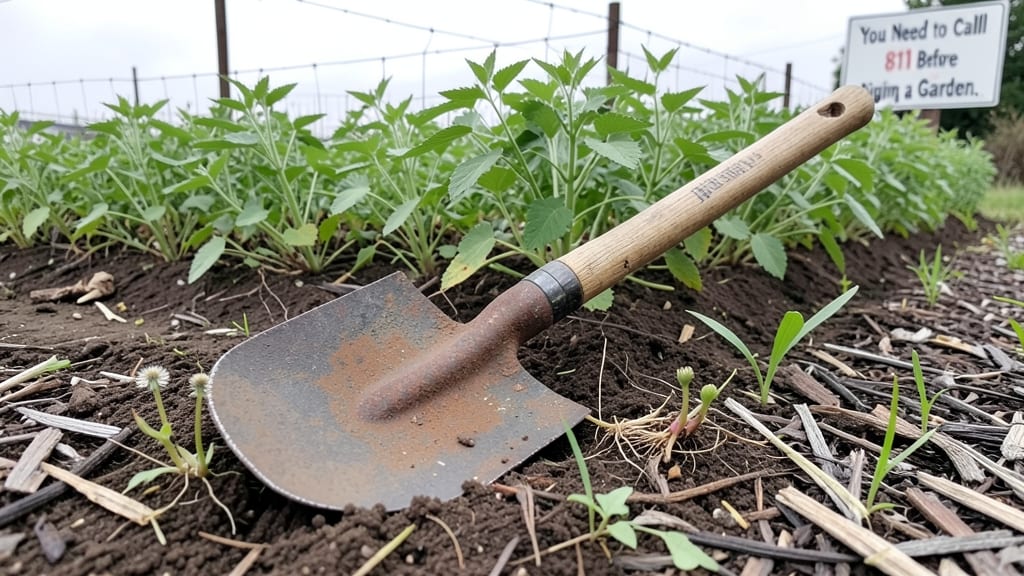
You need to call 811 before digging a garden in most U.S. states to locate underground utilities like gas, electric, and water lines, preventing accidents and property damage. Always verify local rules, as exemptions may apply for small projects or specific soil conditions.
This free service connects you with utility companies that mark buried lines with paint or flags, typically within 2-10 business days.
Skipping this step risks hitting live wires, gas leaks, or water mains—costly mistakes that can lead to fines or legal trouble. 🔥 Even a shallow garden bed could pose hidden dangers, especially in urban or suburban areas where underground infrastructure is dense.
Local regulations vary, so always double-check with your state’s one-call center. Some areas exempt small projects like container gardening or planting under 6 inches deep, but rural properties without utility records may still require notification.
When in doubt, err on the side of safety—one call could save thousands in repairs.
💡 In This Article
- How 811’s Underground Utility Marking Works
- When You Don’t Need to Call 811 for a Garden
How 811’s underground utility marking works
When you call 811, you’re activating a nationwide network that connects you with every utility company in your area. These companies—including gas, electric, water, telecommunications, and cable providers—each maintain their own records of underground lines, which can be buried anywhere from 12 inches to over 6 feet deep.
Within 2-10 business days, trained technicians use electromagnetic locators to trace the paths of these lines, then mark them with brightly colored spray paint or flags. The paint typically lasts 2 weeks, while flags remain visible until removed.
The marking process isn’t just about visibility—it’s about precision. For example, a 4-inch gas line might be marked with red paint, while a 6-inch water main could use blue. Electric lines often get yellow paint, and telecommunications lines might show up as orange.
What’s fascinating is how these markings account for horizontal and vertical tolerances: the paint indicates the line’s center, but the actual pipe or cable could extend up to 18 inches in any direction. This is why digging within 2 feet of a marked line still carries risks.
Here’s what happens if lines are missed or misidentified: the consequences can be catastrophic. A severed natural gas line can cause explosions with forces equivalent to 100 pounds of TNT, while hitting an electric cable can expose you to 7,200 volts of current—enough to stop your heart.
Even water mains, though less dangerous, can flood your yard and trigger $5,000+ repair bills. Some states impose fines up to $10,000 for unauthorized digging, and in rare cases, criminal charges apply if negligence leads to injuries or deaths.
The coordination behind 811 is a logistical marvel. When you submit your request, the system generates a ticket that gets routed to all relevant utility companies in your 10-digit address. Each company has 48 hours to respond, though most complete markings within 3-5 days.
The system even tracks weather delays—if a storm knocks out power, technicians won’t risk working near downed lines. What most people don’t realize is that 811 doesn’t guarantee 100% accuracy: some older lines lack records, and new installations might not be logged yet.
That’s why it’s smart to verify markings with a metal detector or hire a professional locator for high-stakes projects.
Consider this real-world example: In 2022, a homeowner in Ohio ignored 811’s markings and struck a high-pressure gas line while installing a fence. The resulting explosion destroyed three homes and injured seven people. The homeowner faced $2 million in damages and a 1-year jail sentence.
This case highlights why 811 isn’t just a suggestion—it’s a critical safety net. Even in rural areas where lines seem sparse, telecommunications cables or irrigation pipes can pose hidden dangers.
The system’s effectiveness hinges on two-way communication: if you see a marking that seems incorrect, call 811 immediately to request a re-inspection.
For gardeners, the key takeaway is that depth matters. While shallow planting (under 6 inches) might seem safe, even a 1-inch-deep root could encounter a buried line if it’s offset.
That’s why 811’s service is free and mandatory in 48 states—because the cost of prevention ($0) is far lower than the cost of a mistake ($5,000+).
Always wait for markings to appear before digging, and if you’re unsure, ask the utility companies to re-mark the area for extra safety.