
Planting
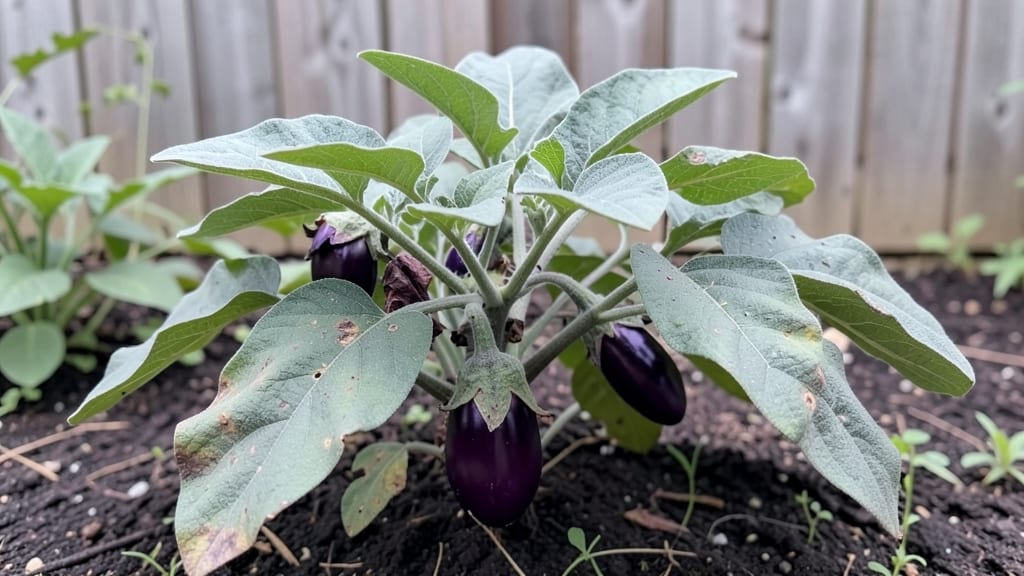
Transform your eggplant plant garden into a high-yielding vertical paradise with this simple trellis trick—no sprawling beds required! 🌱 upward. The secret is simple: sturdy vertical support, proper spacing, and a few care tweaks that make all the difference.
You’ll need just three things: a 6-foot-tall trellis (or sturdy stakes), well-draining potting mix, and a sunny spot with at least 6 hours of direct light daily. Eggplants thrive when their roots stay cool and their leaves get plenty of air circulation—both of which vertical growing delivers effortlessly.
Start with transplants after your last frost, and you’ll be harvesting glossy purple fruit in as little as 70 days.
The payoff? You’ll end up with neck-high plants producing 20-30% more fruit than ground-grown varieties, all while saving space for other crops. The glossy skin stays blemish-free, and the flavor?
Richer than anything from the grocery store. Plus, no more wrestling with sprawling vines—just a tidy, productive corner of your garden.
This system works in containers, raised beds, or even small backyards. Whether you’re dealing with limited square footage or just want to maximize your harvest, these vertical eggplants deliver. Let’s get those plants climbing!
📚 In This Guide
- What you need
- Instructions
- Tips and common mistakes
- Wrapping up and next steps
What you need
- ● Eggplant seeds or seedlings: 3–5 plants (choose compact or vining varieties like 'Fairy Tale' or 'Ichiban').
- ● Vertical trellis: 1–2 sturdy metal or wooden frames (4–6 ft tall, 2–3 ft wide) or DIY options (e.g., PVC pipes, bamboo stakes, or repurposed ladders).
- ● Potting mix: 10–15 gallons of well-draining, organic-rich soil (amend with compost for fertility).
- ● Containers: 5–7 gallon pots per plant (or a large raised bed if preferred). Ensure pots have drainage holes!
- ● Support ties: Soft plant clips, twine, or old T-shirts (to gently secure vines to the trellis).
- ● Fertilizer: Balanced organic fertilizer (10-10-10 or compost tea) for transplanting and every 3–4 weeks.
- ● Mulch: Straw or shredded leaves (2–3 inches) to retain moisture and suppress weeds.
- ● Watering can or hose: With a gentle spray nozzle (eggplants hate soggy roots!).
- ● Hand trowel or small shovel (for planting and soil prep).
- ● Pruning shears (to trim excess leaves or encourage upward growth).
- ● pH test kit (aim for 6.0–6.8; amend soil with lime or sulfur if needed).
- ○ Shade cloth (optional for hot climates; 30–50% coverage to protect young plants).
- ○ Drip irrigation system (optional but highly recommended for consistent moisture in vertical setups).
- ● Eggplant cages or netting (if trellis isn’t tall enough for mature plants).
- ● Garden journal (track growth, watering, and harvest dates—trust me, it’s a game-changer!).
Step-by-Step instructions for building a high-yield eggplant vertical trellis
Here's how to maximize your small-space eggplant harvest with a sturdy, space-saving trellis system.
🪴 Step 1: Assemble the Trellis Framework
Start by building a 4-foot tall vertical trellis using the 2x4 lumber and galvanized screws. I like to create a pyramid-style frame with four vertical posts connected by horizontal crossbars at 12-inch intervals. This design gives eggplants plenty of support while keeping the structure lightweight enough for small spaces.
Position the trellis in a location that receives full sun (6+ hours daily). Eggplants thrive in warmth, so choose a spot protected from strong winds. Secure the base with concrete anchors if needed—this prevents toppling when vines get heavy. I always test stability by gently shaking the frame before planting; if it wobbles, add another crossbar for reinforcement.
🌱 Step 2: Prepare Soil and Plant Eggplants
Fill a 12-inch deep container or in-ground bed with well-draining potting mix mixed with compost. Eggplants hate soggy roots, so amending the soil with perlite improves aeration. I plant 4 eggplant seedlings at the base of the trellis, spacing them 18 inches apart in a square pattern.
Dig holes just deep enough to bury the seedlings up to their first true leaves. This encourages root growth without smothering the plant. Water deeply immediately after planting to settle the soil and remove the mulch around the base to retain moisture and suppress weeds. Here's the thing—eggplants are heavy feeders, so I mix in a slow-release fertilizer at planting time for consistent growth.
☀️ Step 3: Train Vines and Prune for Maximum Yield
As the plants grow, gently weave the main stems through the trellis crossbars, securing them with soft plant ties. Eggplants can get top-heavy, so I prune aggressively to focus energy on fruit production. Remove all side shoots below the first flower cluster—these compete with the main stem for nutrients.
When vines reach the top of the trellis, pinch back the tips to encourage bushier growth. You'll see new branches forming within 2-3 weeks, and these will bear the bulk of your harvest. I always leave 2-3 main stems per plant to balance support and yield. Avoid over-pruning; eggplants need enough foliage to photosynthesize for fruit development.
💧 Step 4: Maintain Water and Fertility
Water deeply 2-3 times per week, ensuring the top 6 inches of soil stay moist but not waterlogged. Eggplants are sensitive to moisture fluctuations, so I water in the early morning to reduce disease risk. Use a soaker hose to deliver water slowly at the base—this prevents leaf wetness that invites fungal issues.
Feed plants every 4-6 weeks with a balanced liquid fertilizer (10-10-10 ratio). You'll notice faster growth and larger fruit when the leaves stay deep green and vibrant. If the soil feels dry 1 inch below the surface, it's time to water again. Overhead watering can damage leaves, so I avoid spraying foliage whenever possible.
✂️ Step 5: Harvest and Extend the Season
Harvest eggplants when they reach full color and firm texture, usually 70-80 days after planting. I use pruning shears to cut stems cleanly, leaving a small portion attached to encourage more fruit. Regular harvesting prevents overripe fruit from sapping the plant's energy.
To extend the season, cover the trellis with frost cloth when temperatures drop below 50°F. Eggplants are heat-lovers and will stop producing in cool weather. I also remove spent flowers and fruit to redirect the plant's energy toward new growth. With proper care, a single trellis can produce 20-30 eggplants in a small space—far more than ground planting allows.
Tips & tricks for perfect eggplant vertical trellis gardening
A few strategic moves will transform your small-space garden into a high-yield eggplant powerhouse. Here's what I've learned after years of trial and error with vertical eggplant systems.
Framework Stability is Non-Negotiable: That 4-foot height might seem sturdy, but eggplants get surprisingly top-heavy as they produce fruit. I learned this the hard way when my first trellis collapsed under a late-season harvest. Beyond the concrete anchors mentioned, I now add diagonal crossbraces between opposite corners for extra wind resistance—especially important if you're in a breezy location. Test stability before planting by gently pulling each post while someone else shakes the top. If it moves more than an inch, reinforce it immediately.
The Soil Mix Makes All the Difference: While the instructions call for well-draining potting mix with compost and perlite, I've found that adding 1 part coconut coir to the mix improves moisture retention without compacting. Eggplants are sensitive to both drought and soggy conditions, so this blend gives you that perfect Goldilocks zone. Pro tip: Sterilize your soil mix by baking it in the oven at 200°F for 30 minutes before planting to prevent fungal issues from day one.
Pruning Strategy for Maximum Yield: When you're removing those side shoots below the first flower cluster in Step 3, don't just snip them off—use pruning shears to make clean cuts at a 45-degree angle just above a leaf node. This technique encourages faster regrowth and prevents disease entry points. I also recommend keeping a small notebook by your trellis to track which plants have the most vigorous main stems; you can then focus your pruning efforts on maintaining those high-yielding branches rather than all four plants equally.
Watering Wisdom for Consistent Production: The 2-3 times per week guideline works, but timing is everything. I've found that watering at the same time each morning (around 7 AM) creates predictable conditions for your plants. For the soaker hose method, run it for exactly 20 minutes at a medium flow rate—this delivers about 1 gallon of water per plant, which is perfect for maintaining that 6-inch moist zone without overwatering. If you notice wilting during hot afternoons, give a quick top-up with a gentle watering can, but avoid wetting the leaves to prevent fungal diseases.
Pro Tips for Eggplant Plant Garden
- A few strategic moves will transform your small-space garden into a high-yield eggplant powerhouse.
- Framework Stability is Non-Negotiable: That 4-foot height might seem sturdy, but eggplants get surprisingly top-heavy as they produce fruit.
- Eggplants are sensitive to both drought and soggy conditions, so this blend gives you that perfect Goldilocks zone.
Frequently asked questions
Got questions about growing eggplants in your garden? You’re not alone—here are some of the most common concerns and their straightforward solutions!
How long does it take for eggplant plants to bear fruit?
Eggplants typically take 70–90 days from transplanting to harvest, depending on the variety. Start seeds indoors 8–10 weeks before your last frost date, then move seedlings outside after all danger of frost has passed. Patience pays off—early blooms may drop, but consistent care ensures a bountiful harvest!
Can I grow eggplants in containers or small spaces?
Eggplants thrive in 5-gallon containers or larger with proper support (like a trellis or cage). Choose compact varieties like ‘Fairy Tale’ or ‘Patio Baby’ for vertical growth. Just ensure they get 6+ hours of sunlight daily and well-draining soil. Your balcony or patio can be a productive eggplant paradise!
What are the most common pests or diseases, and how do I prevent them?
Eggplants face threats like aphids, flea beetles, and fungal diseases (e.g., powdery mildew). Prevent pests with row covers or neem oil sprays. Improve airflow to deter fungi, and rotate crops yearly. Early intervention keeps your plants healthy—check leaves regularly for signs of stress!
When is the best time to harvest eggplants?
Harvest when eggplants are firm, glossy, and deep purple (or their mature color). Size varies by variety—most are ready at 6–8 inches long. Use pruning shears to avoid damaging the plant. The sooner you pick, the sooner they’ll produce more! Overripe eggplants turn seedy and bitter, so stay vigilant.
What can I do if my eggplant flowers fall off before fruiting?
Dropping flowers are often caused by stress—too much heat, inconsistent watering, or poor pollination. Hand-pollinate by gently shaking plants or using a small brush. Ensure steady moisture (not soggy soil) and mulch to retain even temperatures. With care, your plants will bounce back and set fruit!
Wrapping up and next steps
Growing eggplants in a vertical trellis system isn’t just space-efficient—it’s a rewarding way to boost yields and simplify care! With the right setup, even small gardens or balconies can produce bountiful, healthy plants while saving room for other crops.
Whether you’re a beginner or a seasoned gardener, this method makes eggplant cultivation accessible and fun.
Now that you’re armed with tips and tricks, roll up your sleeves and get planting! Start small—try a single trellis or a few plants—and let your confidence (and harvest) grow. Happy gardening! 🌱✨