
Landscaping
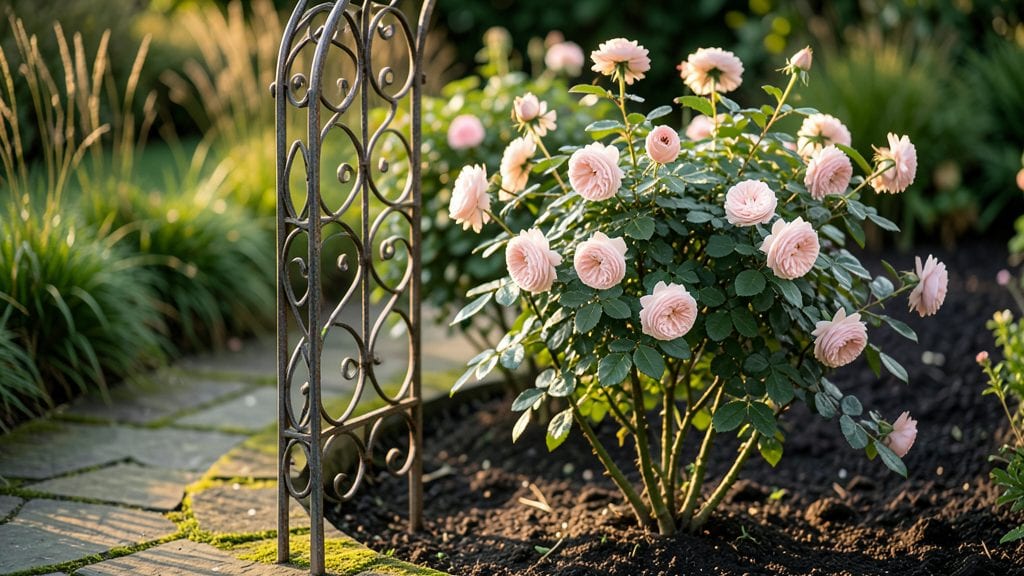
Creating an English garden landscaping design feels like stepping into a storybook—where every path invites discovery and every border blooms with timeless charm. 🌿 I fell for this style after visiting a 200-year-old cottage garden where roses tangled over stone walls and lavender swayed in the breeze, proving beauty doesn’t need perfection, just intention.
The magic lies in layers: rambling perennials spill over low hedges, water features trickle softly in the background, and gravel paths meander through herbaceous borders. You don’t need acres—just a sunny corner, a mix of old-fashioned roses, delphiniums, and foxgloves, and the patience to let plants grow naturally.
Even small spaces can feel grand with the right plant choices and a touch of vintage charm.
By summer, you’ll have a garden that smells like honey and roses, where bees hum through the day and evening lights catch the velvety foliage. The real secret?
Swapping out a few plants each season keeps it fresh without losing that classic cottage feel—think hellebores in winter, peonies in spring, and dahlias in fall.
Works in any climate with the right plant picks—drought-tolerant lavender for dry areas, impatiens for shade, and hardy roses for cooler zones. Here’s how to start without breaking the bank or the rules of good taste.
📚 In This Guide
- What you need
- Instructions
- Tips and common mistakes
- Wrapping up and next steps
What you need
- ● Topsoil: 10–15 cubic yards (for leveling and enriching soil)
- ● Compost: 2–3 cubic yards (to boost fertility and drainage)
- ● Mulch: 2–3 bags (cedar or straw for pathways and beds)
- ● Gravel: 1–2 bags (for pathways or borders)
- ● Perennials & Annuals: Peonies, lavender, roses, foxgloves, and delphiniums (perennials)
- ● Pansies, sweet peas, and snapdragons (seasonal swaps)
- ● Ornamental Grasses: 5–10 plants (e.g., fountain grass or maiden grass)
- ● Trellises/Arbors: 2–4 (for climbing roses or clematis)
- ● Garden Seating: 1–2 vintage-style benches or chairs
- ● Birdbath/Fountain: 1 (for whimsy and wildlife)
- ● Basic Tools: Trowel, pruners, loppers, and garden fork
- ● Measuring Tools: Tape measure, level, and string line
- ● Edging Tools: Half-moon edger or hand shears
- ● Wheelbarrow: 1 (for hauling materials)
- ● Hose & Sprinkler: 50–100 ft. (with adjustable nozzle)
- ○ Optional: Wheelbarrow, kneeling pad, and gloves
- ● Site Assessment: Check sunlight (full sun to partial shade) and soil type
- ● Permits (if needed): Verify local regulations for structures or major changes
- ● Seasonal Timing: Plan for spring/fall planting (avoid extreme heat)
- ● Budget: $500–$3,000+ (depending on size and materials)
Step-by-Step guide to creating an English garden's whimsical layout
Here's how to craft that dreamy, layered English garden look—one seasonal section at a time.
🪴 Step 1: Define Your Garden's "Rooms" With Pathways
Start by sketching your space on paper, dividing it into distinct "rooms" using winding gravel or stepping-stone paths. I like to use 2-inch thick flagstone paths that meander naturally—no straight lines here! Mark the path edges with wooden stakes and a string line to keep curves smooth. The key is to create intimate spaces where each area feels like its own little garden.
For a true English feel, avoid concrete. Instead, use crushed gravel or sand between stones to allow rainwater to seep through. Press the stones firmly into a 4-inch deep bed of sand and gravel mix for stability. You'll notice how this approach makes the garden feel organic rather than manicured.
🌿 Step 2: Layer Plants by Height and Seasonal Interest
Begin with your tallest plants—think ornamental grasses or small trees like dogwood—placed along fences or at the back of borders. I always group 3-5 of the same variety together for that lush, cottage-garden look. Next, add mid-height shrubs like hydrangeas or lavender, spacing them 18-24 inches apart to allow airflow and future growth.
Fill the front with perennials and annuals that bloom in succession. For spring, try pansies or primroses; swap for geraniums and salvias in summer; then chrysanthemums or sedum for fall. I like to tuck in bulbs like tulips and daffodils in early spring—they'll pop up unexpectedly and add that classic English surprise.
☀️ Step 3: Add Whimsical Accents and Seasonal Swaps
English gardens thrive on personality. Place vintage garden ornaments—think cast-iron benches, weathered urns, or old well buckets—along paths or nestled in borders. I always include a small birdbath or butterfly feeder to attract wildlife. These elements break up plantings and create visual interest without overwhelming the space.
For seasonal swaps, dedicate a small corner to seasonal plants. In summer, roses and clematis climb trellises; in fall, pumpkins or corn stalks add rustic charm. I like to mix in evergreens like boxwood or holly for year-round structure. The goal is to keep the garden feeling fresh and evolving throughout the year.
💧 Step 4: Incorporate Water Features and Seating Nooks
A small fountain or pond adds the sound of trickling water, which is central to the English garden's charm. Even a simple birdbath with a solar-powered fountain creates movement and attracts birds. Position it near seating so you can enjoy the soothing sounds. I often place a wrought-iron bistro set or wooden bench under a climbing rose for a cozy spot to relax.
If space is limited, a window box filled with scented geraniums or petunias can serve as a mini water feature by adding vibrant color and fragrance. The idea is to create pockets of tranquility where you can sit and enjoy the garden's ever-changing beauty.
✂️ Step 5: Maintain With Seasonal Pruning and Deadheading
English gardens look effortless, but they require regular care. Prune roses and shrubs in late winter or early spring to encourage new growth. Deadhead spent blooms regularly to prolong flowering and keep the garden looking tidy. I like to mulch with shredded bark or gravel in early spring to retain moisture and suppress weeds.
Every 6-8 weeks, rotate a few plants to keep the garden feeling fresh. Swap out annuals for new varieties as seasons change, and add seasonal accents like pumpkins in fall or poinsettias in winter. This keeps the garden dynamic and full of life year-round.
Tips & tricks for perfect English garden landscaping
Creating that dreamy, layered English garden look takes more than just planting flowers—it's all about the details that make it feel lived-in and magical. Here are my favorite tricks to elevate your garden from ordinary to extraordinary.
Pathway Perfection: When creating those winding flagstone paths in Step 1, don't be afraid to get creative with the curves. Use a garden hose to outline your path before marking with stakes—this helps visualize the natural flow. For that true English feel, leave small gaps between stones (about 1/4 inch) to allow rainwater to seep through naturally. I've found that using 3-inch thick flagstones creates a more substantial look while still feeling organic.
Plant Layering Secret: In Step 2, when grouping your 3-5 of the same variety together, consider adding a single contrasting plant every 6-8 plants to create visual interest. For example, add a single red salvia among white hydrangeas—it'll pop beautifully! Also, when spacing your mid-height shrubs, use the 18-24 inch range as a guide, but don't be afraid to tighten to 12 inches for more dramatic foliage effects near seating areas.
Seasonal Swap Strategy: For the seasonal swaps in Step 3, create a "swap zone" in a corner of your garden where you can easily rotate plants. I dedicate a 3-foot by 3-foot area near my seating nook for this purpose. Keep a small inventory of seasonal plants in pots nearby so you can make quick changes. This approach makes seasonal transitions feel intentional rather than rushed.
Water Feature Wisdom: When incorporating water features in Step 4, consider adding a small solar-powered fountain that's just 6-8 inches tall. The gentle sound of water is perfect for creating ambiance without overwhelming small spaces. Position it near your seating area so the soothing sounds become part of your relaxation experience. For a budget-friendly option, even a simple birdbath on a pedestal can create that English garden charm.
Pro Tips for English Garden Landscaping
- Creating that dreamy, layered English garden look takes more than just planting flowers—it's all about the details that make it feel lived-in and magical.
- Pathway Perfection: When creating those winding flagstone paths in Step 1, don't be afraid to get creative with the curves.
- Plant Layering Secret: In Step 2, when grouping your 3-5 of the same variety together, consider adding a single contrasting plant every 6-8 plants to create visual interest.
Frequently asked questions
Got questions about creating your own English garden oasis?
Here are answers to the most common queries—from planning to upkeep—so you can dive in with confidence!
What’s the best time of year to plant an English garden?
For perennials and shrubs, spring (March–May) or early fall (September–October) is ideal—soil is warm but not scorching, and roots establish before extreme weather. Bulbs like tulips or daffodils? Plant them in late fall (November) for spring blooms. Annuals (e.g., pansies, sweet peas) thrive when planted after the last frost in early spring.
How much does English garden landscaping cost?
Costs vary wildly! A DIY project for a small yard (500 sq. ft.) might run $500–$1,500 (plants, soil, trellises, and tools). Hiring a pro for full installation? Expect $10–$30 per sq. ft. (or $5,000–$20,000+ for a large, custom design). Pro tip: Prioritize perennials (they return yearly!) to save long-term.
Can I create an English garden in a small space?
Absolutely!
Think vertical gardening (climbing roses, clematis on trellises), container gardening (window boxes, hanging baskets), and layered planting (tall grasses behind low shrubs). Even a balcony or patio can host cottage charm with herbs, violas, or dwarf lavender. Key rule: Use odd-numbered groupings (3, 5, or 7 plants) for that classic look!
How do I keep pests (slugs, aphids) out of my English garden?
English gardens are pest magnets—but these tricks help:
- Slugs/snails: Use copper tape around borders, beer traps, or diatomaceous earth (food-grade).
- Aphids: Spray with soapy water or introduce ladybugs.
- Prevention: Mulch heavily (3–4 inches), plant pest-resistant varieties (e.g., lavender, thyme, or marigolds), and avoid overwatering.
What are some low-maintenance alternatives to traditional English garden plants?
If you crave easy-care but still want that whimsical vibe, swap high-maintenance picks for:
- Roses: Try Knock Out® roses (disease-resistant, blooms all season).
- Peonies: Opt for tree peonies (hardier, fewer pests).
- Hydrangeas: Choose panicle types (like ‘Limelight’)—they bloom on new wood and handle heat better.
- Herbs: Rosemary, oregano, and thyme thrive in poor soil and deter pests.
Wrapping up and next steps
Creating an English garden landscaping retreat is all about embracing whimsy, nature, and seasonal harmony—one cozy corner at a time! 🌸 From rustic pathways to fragrant perennials, this style blends timeless charm with easy, adaptable swaps that keep your garden thriving year-round.
The key? Start small, let your creativity bloom, and don’t forget to enjoy the process.
Ready to transform your outdoor space? Sketch a rough layout, gather a few key materials, and take the first step today! Whether you’re adding a trellis, swapping out seasonal flowers, or simply sipping tea in your new hideaway, the magic of an English garden awaits. Happy gardening! 🌿