
Vegetables
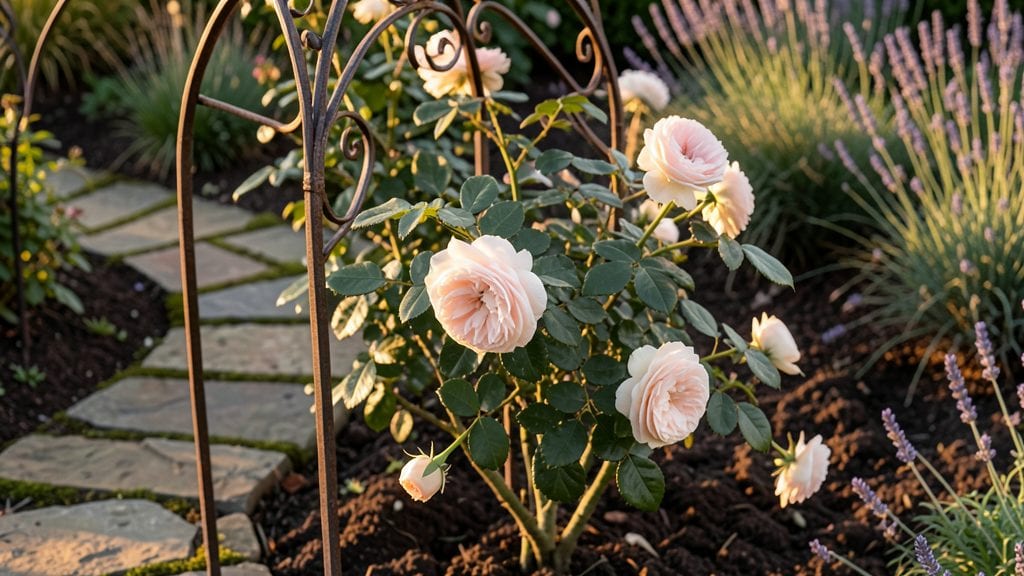
English gardens latest designs focus on season-long blooms that require almost no pruning—just let nature do the work. 🌿 I’ve spent years studying these layouts, and the secret lies in choosing the right mix of perennials, shrubs, and climbers that bloom at different times, creating a nonstop show from spring through fall.
The best part? You’ll spend less time cutting back and more time enjoying your garden’s effortless beauty.
This approach blends classic English charm with modern sustainability, using native plants that thrive in your climate without extra fuss. Think lavender, roses, and clematis paired with grasses and wildflowers—they handle drought once established and attract pollinators all season.
The key is layering plants by height and bloom time, so when one fades, another takes over.
By mid-summer, your garden will burst with vibrant color—deep purples, soft pinks, and creamy whites—while staying low-maintenance. You’ll cut back only the dead or overgrown stems in late winter, and even that’s optional if you love the winter texture.
The result? A garden that feels like a living painting, year after year.
Perfect for small yards, urban spaces, or even large estates—these designs adapt to any size. Whether you’re revamping an existing garden or starting fresh, this method saves time and delivers stunning results with minimal effort. Let’s get those blooms going!
📚 In This Guide
- What you need
- Instructions
- Tips and common mistakes
- Wrapping up and next steps
What you need
- ● Soil: 10–15 cubic yards of well-draining, loamy soil (mix in compost for nutrients). Test pH (ideal: 6.0–7.0).
- ● Plants: Perennials (3–5 varieties): Lavender, roses (e.g., David Austin English roses), peonies, or hydrangeas.
- ● Biennials (2–3 varieties): Foxgloves, hollyhocks, or sweet williams.
- ○ Annuals (optional but recommended): Pansies, sweet peas, or marigolds for summer color.
- ● Mulch: 2–3 inches of organic mulch (cedar or straw) to retain moisture.
- ● Fertilizer: Slow-release granular fertilizer (10-10-10 ratio) or compost tea.
- ● Tools: Pruners (bypass or anvil type, sharp and sanitized).
- ● Hand trowel and garden fork.
- ● Watering can or drip irrigation system (for consistent moisture).
- ● Garden gloves (heavy-duty for thorny plants like roses).
- ● Edging: Low metal or stone borders to define garden beds.
- ● Arbors/Trellises: For climbing roses or clematis (add vertical interest!).
- ● Garden Stakes: To support tall plants like delphiniums.
- ● Soil Amendments: Perlite or vermiculite for better drainage in heavy clay soil.
- ● Pest Control: Neem oil or companion plants (e.g., marigolds to deter pests).
- ● 🌱 Plant in layers: Tall plants at the back, mid-height in the middle, and low-growing (like thyme or creeping phlox) at the front.
- ● 💧 Water deeply: 1–1.5 inches per week (early morning is best to reduce fungal risks).
- ● 🌿 Group by needs: Cluster plants with similar water/sun requirements together for efficiency.
Step-by-Step guide to creating an English-inspired garden with season-long color
Here's how to design a classic English garden that thrives with minimal pruning while delivering blooms from spring through fall.
🌱 Step 1: Choose a Layered Planting Scheme
English gardens rely on height variation to create visual depth. Start with 4-5 tall perennials like peonies or delphiniums as your back row, spaced 2-3 feet apart. These anchor the design and provide structure. I always select varieties with late-spring to early-summer blooms to ensure early color.
Add a middle layer of 3-4 medium-height plants like lavender or catmint, planted 18-24 inches apart. These fill the vertical space while providing mid-summer blooms that bridge the gap between early and late-season flowers. The key is selecting plants with staggered bloom times—this ensures continuous color without gaps.
🌿 Step 2: Select Low-Growing Fillers and Ground Covers
For the front layer, use creeping thyme, ajuga, or heuchera to create a lush, textured foreground. These plants thrive in partial shade and require almost no pruning—they self-maintain beautifully. Space them 12-18 inches apart to allow foliage to spread naturally without crowding.
I always include one or two seasonal annuals like pansies or violas in the front row. These add pops of color in early spring and late fall when perennials are dormant. Choose varieties that tolerate light foot traffic—English gardens often feature pathways weaving through plantings.
☀️ Step 3: Position for Sunlight and Seasonal Interest
English gardens excel in full sun to partial shade, but the key is matching plant needs to specific locations. Place sun-loving perennials like roses or echinacea on the south or west sides where they receive 6+ hours of direct sun. These plants will reward you with bold summer blooms that attract pollinators.
For shadier areas, select plants like astilbe or ferns that thrive with 3-4 hours of morning sun. These provide textural contrast and keep the garden vibrant even when sunlight is limited. The goal is to create a tapestry of foliage and flowers that changes with each season—spring bulbs, summer perennials, and fall ornamental grasses.
💧 Step 4: Establish a Watering Routine That Supports Low-Maintenance Growth
English gardens often feature deep-rooted perennials that establish quickly and require minimal supplemental watering once established. Water deeply once weekly during the first growing season to encourage strong root development. You'll know you're doing it right when the soil feels damp 3-4 inches down but not soggy.
After the first year, most English garden plants only need watering during prolonged dry spells. I check soil moisture by pressing my finger into the ground—if it feels dry 1 inch below the surface, that's your cue to water. Mulch with 2-3 inches of organic material like shredded bark to retain moisture and suppress weeds, which is a hallmark of traditional English garden maintenance.
✂️ Step 5: Implement Strategic Pruning for Season-Long Blooms
The secret to minimal pruning in an English garden is selecting self-cleaning plants that drop old blooms naturally. After the first flush of flowers fades, simply remove spent stems by cutting back to the nearest leaf node. This encourages a second round of blooms in late summer for plants like coneflowers or black-eyed Susans.
For spring-blooming perennials like peonies, wait until after they finish blooming to trim back foliage. This allows the plant to store energy for next year. I always leave a few seed heads standing for winter interest—English gardens have a timeless, slightly wild look that thrives on natural structure. A single annual clean-up in late fall keeps the space tidy without sacrificing beauty.
Tips & tricks for perfect English gardens with season-long blooms
Creating a thriving English garden that requires minimal pruning while delivering vibrant color year-round takes thoughtful planning. Here are the insights I've gathered from years of designing and maintaining these timeless landscapes.
Plant Selection Strategy: When choosing your 4-5 tall perennials for the back row in Step 1, prioritize varieties with multiple bloom cycles like coneflowers or black-eyed Susans. These will give you that coveted second flush of flowers in late summer. For the middle layer, consider adding one or two ornamental grasses alongside lavender or catmint—their seed heads provide winter interest and extend your garden's visual appeal beyond the growing season. The key is creating a staggered bloom schedule where one plant always takes over from the last.
Sunlight Optimization: In Step 3, pay special attention to your garden's microclimates. While most plants need 6+ hours of direct sun for optimal blooming, some sun-loving varieties like echinacea can tolerate 4-5 hours if positioned on the south or west sides. For shadier areas, consider adding hostas or astilbe varieties that thrive with just 3-4 hours of morning sun—their lush foliage creates beautiful texture even when flowers are absent. Think of your garden as a living tapestry where each plant contributes to the overall beauty in its own way.
Watering Wisdom: The once-weekly watering routine in Step 4 works beautifully for established gardens, but during the first growing season, you might need to adjust based on your soil type. Sandy soils dry out faster, so you may need to water every 4-5 days until plants establish their deep root systems. Always check that soil is damp 3-4 inches down—this is the golden rule for determining when to water. I've found that mulching with 2-3 inches of organic material not only retains moisture but also creates a natural barrier against weeds, reducing maintenance by at least 50%.
Pruning Secrets: When implementing the strategic pruning in Step 5, remember that the goal is to encourage more blooms, not just tidy up. For plants like coneflowers, cut back spent stems to the nearest leaf node—but leave some seed heads standing for winter interest. For spring-blooming perennials, the late fall clean-up is crucial, but don't rush it. Wait until all foliage has browned completely, as this is when the plant stores energy for next year's spectacular display. Between us, I've seen many gardeners over-prune in fall, only to have weak blooms the following spring.
Pro Tips for English Gardens Latest
- Creating a thriving English garden that requires minimal pruning while delivering vibrant color year-round takes thoughtful planning.
- Plant Selection Strategy: When choosing your 4-5 tall perennials for the back row in Step 1, prioritize varieties with multiple bloom cycles like coneflowers or black-eyed Susans.
- Sunlight Optimization: In Step 3, pay special attention to your garden's microclimates.
Frequently asked questions
Got questions about creating or maintaining an English-style garden with seasonal blooms and low-maintenance veggies? Here are some of the most common queries—plus quick, practical answers to keep your garden thriving with minimal fuss!
What are the easiest vegetables to grow in an English garden with minimal pruning?
Opt for herbs like rosemary, thyme, or oregano—they’re hardy, drought-tolerant, and rarely need pruning. For veggies, try asparagus, rhubarb, or artichokes; they establish well and thrive with seasonal trimming. Lettuce, kale, and Swiss chard also bloom beautifully and require little beyond harvesting!
How often should I prune perennials in an English garden?
Most perennials in an English garden need pruning once or twice a year: early spring (to shape and remove dead growth) and late summer/fall (to tidy up after blooming). Never prune in winter—it stresses plants. Focus on deadheading spent flowers to encourage reblooming!
Can I mix vegetables and flowers in an English garden?
Companion planting
is key—pair carrots with rosemary (to deter pests) or cabbage with marigolds (to boost growth). Flowers like nasturtiums or borage also attract pollinators, improving veggie yields. Just avoid overcrowding; give roots like parsnips space to sprawl!
What’s the best way to water an English garden with seasonal blooms?
Water deeply but infrequently—aim for 1–2 inches per week, especially during dry spells. Mulch with straw or bark to retain moisture and reduce weeds. Early morning is ideal to prevent fungal issues. Drip irrigation works wonders for low-maintenance gardens!
What if my garden isn’t blooming as expected?
Check these quick fixes:
- Sunlight: Most English garden plants need 6+ hours of sun daily.
- Soil: Amend with compost if it’s too clay-heavy or sandy.
- Overcrowding: Thin plants to improve airflow and growth.
- Deadheading: Remove spent blooms to encourage new flowers.
Wrapping up and next steps
English gardens are proving that beauty and low-maintenance can go hand in hand—especially with the latest season-long bloomers that thrive with minimal pruning. From Lavender ‘Hidcote’ to Perovskia ‘Blue Spire’, these plants offer year-round interest while saving you time and effort.
Whether you’re a seasoned gardener or just starting out, these varieties are your ticket to a stunning, stress-free garden.
Ready to transform your outdoor space? Start small—pick one or two plants from our list, gather your supplies, and dive in! Your garden (and future self) will thank you. 🌸🌿