
Landscaping
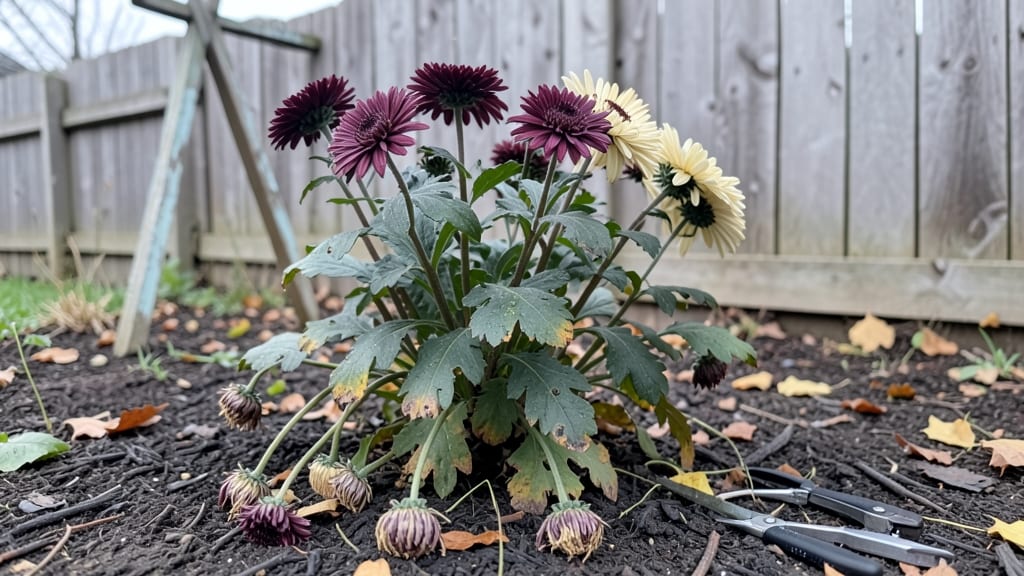
Fall garden design isn't about giving up—it's about trading summer's bright blooms for a richer, frost-resistant palette that keeps color until snow flies. 🌿 I've learned the hard way that skipping fall prep means a dull yard by October, but the right plants turn your garden into a cozy autumn showcase that still thrives when temps dip.
The secret lies in layering textures and colors that hold their vibrancy through crisp air and early frost.
Start with native perennials like black-eyed Susans and coneflowers—they're already adapted to your climate and won't wilt when others do. Add ornamental grasses for movement and height, then weave in edible accents like kale with purple stems or pumpkins for instant fall charm.
Containers let you mix colors freely, while borders of chrysanthemums create that classic autumn wreath effect. The key is balancing cool-toned foliage with warm blooms so the garden stays lively through November.
You'll end up with a garden that feels like a warm hug—deep reds, burnt oranges, and golden yellows that catch the light just right. The best part? Most of these plants need minimal care once established, and many even improve with frost.
Plus, you can harvest edible goodies while admiring the view. This isn't just decoration; it's a functional, beautiful extension of your outdoor living space that works with nature, not against it.
Works in any yard size, from small city patios to sprawling rural plots. The same principles apply whether you're focusing on flowers, vegetables, or both—just adjust the proportions. Let's make your fall garden the star of the season, not an afterthought after summer's over.
📚 In This Guide
- What you need
- Instructions
- Tips and common mistakes
- Wrapping up and next steps
What you need
- ● Perennials & Shrubs: 5–10 plants (e.g., Heuchera, Hydrangea, Sedum, Viburnum)
- ● Fall Annuals: 3–5 varieties (e.g., Mums, Pansies, Calendula, Ornamental Kale)
- ● Mulch: 2–3 bags (shredded cedar or hardwood for moisture retention)
- ● Soil Amendments: 1 bag compost + 1 bag slow-release fertilizer (10-10-10 ratio)
- ● Hand Tools: Pruners, trowel, garden fork, hand rake
- ○ Power Tools (Optional): Hedge trimmer, leaf blower, wheelbarrow
- ● Safety Gear: Gloves, knee pads, dust mask (for mulch/soil)
- ● Sunlight audit: Note your garden’s light exposure (full sun, partial shade, etc.)
- ● Soil test: Check pH (aim for 6.0–7.0) and amend if needed
- ● Weather prep: Plan for first frost dates in your zone (USDA Zone 5–9: late Sept–Nov)
Instructions: design a stunning fall garden with year-round appeal
Here's how to create a layered, frost-tolerant garden that keeps blooming until winter's chill.
🌿 Step 1: Plan Your Plant Layers for Season-Long Interest
Start by sketching your garden space divided into three distinct layers: tall backdrops, mid-height plants, and low-growing ground covers. For fall, I always choose plants that bloom in late summer and extend into autumn, like mums and asters, paired with evergreens for structure. This creates visual depth and ensures color even as other plants fade.
Measure your space and mark zones: the tallest plants (like switchgrass or sunflowers) should go at the back, mid-height perennials (such as black-eyed Susans) in the middle, and low-spreading plants (like heuchera) up front. This layering keeps your garden from looking flat and lets each plant shine.
☀️ Step 2: Select Frost-Resistant Plants for Fall Color
Focus on plants that thrive in 40-50°F temperatures and beyond. I love chrysanthemums for their late-season blooms, sedum for its drought tolerance, and Russian sage for its silvery foliage that holds up in frost. Mix in ornamental grasses like little bluestem for texture and movement even after blooms fade.
Check each plant’s mature height and spread to avoid overcrowding. For example, asters can reach 3 feet tall, while heuchera stays under 1 foot. Group plants with similar water needs together—drought-tolerant plants like lavender shouldn’t mix with thirsty impatiens.
🪴 Step 3: Prepare the Soil for Fall Planting Success
Test your soil’s pH and amend it if needed—most fall plants prefer slightly acidic to neutral soil (6.0-7.0). I mix in 2 inches of compost to improve drainage and fertility, then loosen the top 6 inches of soil with a garden fork. This helps roots establish before winter sets in.
Avoid working wet soil—it compacts easily and can damage roots. Water the area lightly the day before planting to help the soil settle. If your soil drains poorly, add a 1-inch layer of sand or perlite to the planting holes to prevent root rot.
💧 Step 4: Plant and Mulch for Winter Protection
Dig holes twice as wide as the root ball but no deeper. Place each plant in its hole, ensuring the top of the root ball sits 1 inch below soil level—this prevents stem rot and encourages strong root growth. Fill the hole with soil, pressing gently to remove air pockets, then water deeply to settle everything.
Spread 2-3 inches of mulch around each plant, keeping it 2 inches away from stems to prevent moisture buildup. Use shredded bark or straw—both insulate roots and retain moisture. This layer also suppresses weeds and protects plants from late-season frosts.
⏰ Step 5: Maintain Through Frost with Minimal Effort
Water deeply once a week unless rain provides 1 inch or more. Fall rains often taper off, so check soil moisture by pushing your finger 2 inches deep—if it’s dry, water again. Avoid overhead watering in the evenings to prevent fungal diseases like powdery mildew.
Deadhead spent blooms on perennials like asters to encourage more flowers, but leave seed heads on grasses and coneflowers for winter interest. Cut back annuals like mums only after they’ve finished blooming—they’ll rebloom if given time.
Tips & tricks for perfect fall garden design
A few simple strategies will help your fall garden not only survive but thrive through the chillier months.
Layering Like a Pro: In Step 1, when you're planning your layers, think of it like building a stage set—each layer should build on the one before it. Start with evergreens like Russian sage or little bluestem at the back for year-round structure, then add your asters and mums in the middle, and finish with low-growing heuchera or sedum up front. This creates drama and keeps your garden visually interesting even when some plants fade.
Frost-Proof Plant Pairing: Step 2's frost-resistant plants are your secret weapon. Pair chrysanthemums with sedum for a combo that handles 40-50°F temperatures beautifully. The sedum's drought tolerance complements the chrysanthemums' vibrant colors perfectly. I like to add switchgrass or sunflowers at the back—their seed heads provide winter interest long after blooms have faded.
Soil Prep Secrets: When you're preparing your soil in Step 3, don't just add compost—think about texture too. That 1-inch layer of sand or perlite in planting holes makes all the difference for plants like heuchera that hate soggy roots. I also recommend adding a handful of bone meal to the bottom of each hole—it gives roots a phosphorus boost for strong establishment before winter.
Mulching Magic: That 2-3 inches of mulch in Step 4 isn't just for looks—it's your garden's winter blanket. Spread it after your first hard frost when soil temps drop below 50°F. The mulch will protect plant crowns from freeze-thaw cycles that can damage tender new growth. Just remember to keep it 2 inches away from stems to prevent rot.
Pro Tips for Fall Garden Design
- A few simple strategies will help your fall garden not only survive but thrive through the chillier months.
- Layering Like a Pro: In Step 1, when you're planning your layers, think of it like building a stage set—each layer should build on the one before it.
- Frost-Proof Plant Pairing: Step 2's frost-resistant plants are your secret weapon.
Frequently asked questions
Got questions about crafting a stunning fall garden design that stands up to the season? You’re not alone! Here are answers to the most common queries—so you can plant with confidence and enjoy the show.
What are the best fall flowers for low-maintenance gardens?
Opt for hardy perennials like sedum, chrysanthemums, and heuchera (coral bells). These thrive in cooler weather, require minimal upkeep, and add vibrant pops of color—plus, they often return next year! Pair them with ornamental grasses for texture and movement.
When is the ideal time to plant a fall garden?
Start 6–8 weeks before your first frost date (check your USDA zone). For most regions, this means late summer to early fall. Planting now gives roots time to establish before winter, while still enjoying blooms. Pro tip: Cool-season crops like kale and pansies love this timing!
How do I protect my fall garden from early frosts?
Use frost cloths or lightweight row covers to shield tender plants. For containers, move them to sheltered spots or wrap pots in bubble wrap. Mulch around plants to insulate soil—this prevents temperature swings and keeps roots cozy. Bonus: It also suppresses weeds!
Can I mix fall annuals with perennials in the same bed?
Annuals like mums and pansies add instant color, while perennials (e.g., black-eyed Susans) provide structure. Just ensure they share similar light and water needs. Annuals die back in winter, so use them to fill gaps until perennials re-emerge in spring.
What should I do with my fall garden after the first hard freeze?
Cut back dead foliage from annuals but leave perennials standing (they protect roots). Add a 2–3 inch layer of mulch to insulate soil. For containers, empty and store them or overwinter plants indoors. This prep keeps your garden healthy for next season’s comeback!
Wrapping up and next steps
Designing a fall garden that dazzles through the crisp air is all about embracing nature’s richest hues and smart layering. Whether you’re a seasoned gardener or just starting, the key is to mix textures, heights, and frost-resistant plants for a showstopping display that lasts well into winter. 🍂
Now that you’re armed with ideas and tips, it’s time to roll up your sleeves!
Start small—sketch a simple layout, gather a few key plants, and let your creativity bloom. Every garden is a work in progress, so enjoy the journey and watch your outdoor space transform into a cozy autumn sanctuary.
Ready to take the next step? Explore seasonal plant guides or visit local nurseries for inspiration—your perfect fall garden awaits! 🌿