Advice
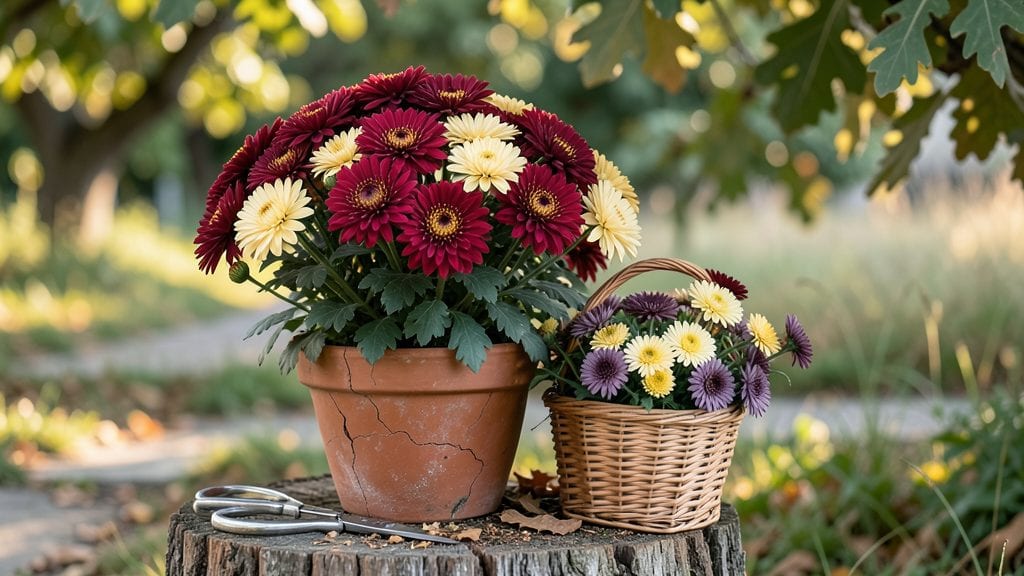
Fall gardening tips start with the crisp air and golden light—this is when the real magic happens in my garden. 🌿 I’ve learned that September and October aren’t just about cleanup; they’re the foundation for next year’s success.
The key is working with the season, not against it, by planting cool crops that thrive in cooler temps and prepping beds before winter sets in.
You’ll need a few simple tools: a sturdy trowel, compost, row covers for frost protection, and a list of fall-friendly plants like kale, carrots, and spinach. Timing matters too—most cool-season crops go in 6-8 weeks before your first frost, so check your local freeze dates.
The payoff? Fresh harvests through winter and soil that’s ready for spring planting.
What you’ll achieve is a garden that keeps giving long after summer fades. Picture crisp, sweet carrots pulled straight from the ground, hearty kale standing tall in the cold, and beds that wake up lush in spring.
The secret is balancing harvests, protection, and soil prep—no more wasted effort or barren beds.
This works for any yard size, from raised beds to in-ground plots, and even small containers on patios. Whether you’re a first-timer or a seasoned gardener, fall is your chance to set up next year’s wins right now. Let’s get those gloves on and make the most of the season!
📚 In This Guide
- What you need
- Instructions
- Tips and common mistakes
- Wrapping up and next steps
What you need
- ● Garden gloves – 1 pair (water-resistant, reinforced for durability)
- ● Hand trowel – 1 (5-inch stainless steel for precision)
- ● Pruners – 1 pair (bypass pruners for clean cuts)
- ● Garden fork – 1 (heavy-duty, 12-inch for soil aeration)
- ● Rake – 1 (bend-resistant, 24-inch for clearing debris)
- ● Wheelbarrow or garden cart – 1 (for hauling soil, compost, or mulch)
- ● Watering can or hose with nozzle – 1 (adjustable spray for gentle watering)
- ○ Soil thermometer – 1 (optional but helpful for tracking planting times)
- ● Compost or well-aged manure – 2–3 cubic feet (enriches soil with nutrients)
- ● Mulch (straw, shredded leaves, or wood chips) – 2–3 inches (insulates soil and retains moisture)
- ● Seedlings or seeds – Choose cold-hardy varieties (e.g., kale, spinach, carrots, radishes)
- ● Fertilizer (balanced or slow-release) – 1 bag (10-10-10 or organic options like fish emulsion)
- ● Row covers or frost cloth – 1–2 (for protecting tender plants from early frosts)
- ● Plant markers – 10–20 (biodegradable or reusable for labeling)
- ● Garden twine or stakes – 5–10 feet (for supporting vining plants like peas or beans)
- ● 🌡️ Check your USDA Hardiness Zone – Fall planting times vary by region (aim for 4–8 weeks before first frost).
- ● 🔍 Test your soil – Use a soil kit or send a sample to a local extension office for pH and nutrient analysis.
- ● ☀️ Clear debris – Remove weeds, dead plants, and rocks to prep beds for planting.
- ● 💧 Water deeply before planting – Ensures roots establish quickly in cooler soil.
Step-by-step instructions for fall gardening success
Here's how to make the most of your garden's last growing season.
🌱 Step 1: Assess and Extend Your Planting Season
Start by checking your frost dates—most regions get 1-2 months of warm weather after the first frost. I always plant cold-hardy crops like kale, spinach, and carrots 6-8 weeks before the first expected frost date. These veggies thrive in cooler temps and even sweeten up when exposed to light frosts.
If you missed the spring planting window, don't worry—many herbs like parsley, cilantro, and chives grow well in fall. Just give them 6+ hours of sun daily and water consistently. You'll notice new growth within 2-3 weeks, signaling they're adapting to the cooler weather.
☀️ Step 2: Protect Tender Plants from Early Chills
Use lightweight row covers or cold frames to shield heat-loving plants like tomatoes and peppers. These create a 5-10°F warmer microclimate without trapping too much moisture. I drape row covers loosely over plants in the morning and remove them during the day to prevent overheating.
Watch for signs of stress like yellowing leaves or stunted growth—these mean your plants need more protection. If nights dip below 40°F, move potted plants to a sheltered spot or under a porch. You'll see plants recover within 3-5 days of proper care.
💧 Step 3: Adjust Watering for Fall Conditions
Fall rains can make watering tricky, so check soil moisture before adding more. Stick your finger 1 inch deep—if it feels dry, water deeply. Overwatering now leads to root rot, especially in cooler soil. I water in the morning to give plants time to dry out before evening chills set in.
Reduce fertilizer use as growth slows. Too much nitrogen now encourages tender new growth that won't survive frost. Instead, add a balanced organic fertilizer like compost tea every 3-4 weeks to support root development without excess top growth.
✂️ Step 4: Harvest and Prepare for Winter
Harvest mature crops before hard frosts hit. For leafy greens like lettuce, cut outer leaves first—they regrow quickly. For root vegetables, pull them when tops yellow or wilt. I harvest carrots and beets in the morning when soil is cool, which prevents them from becoming woody or bitter.
After harvest, clean up garden beds by removing diseased plants and debris. This prevents pests and diseases from overwintering. Spread 2-3 inches of straw mulch over soil to insulate roots and retain moisture. You'll see fewer weeds and healthier soil come spring.
🪴 Step 5: Plan Your Winter Garden
Fall is perfect for planting garlic and onions—just get them in the ground 4-6 weeks before the first hard frost. These crops need cold exposure to develop properly. I plant cloves 2 inches deep and 4 inches apart, then mulch heavily to protect them through winter.
Consider overwintering tender perennials like basil or geraniums by digging them up and potting them. Place pots in a cool, bright spot and water sparingly. You'll be surprised how many plants survive to regrow in spring with minimal care.
Tips & tricks for perfect fall gardening
Took me years to figure out these fall gardening secrets—here's what nobody tells you about extending your harvest.
Timing is Everything: Those 6-8 weeks before frost for cold-hardy crops are non-negotiable. I've learned the hard way that planting too late means stunted growth from early chills. Check your local frost dates and count backward—this is your planting window. For herbs like parsley, the 2-3 week adaptation period is real, but only if they get their 6+ hours of sun daily. If you miss this, you'll end up with leggy, bitter greens.
Microclimate Magic: The 5-10°F warmer microclimate from row covers works wonders, but timing matters. I drape covers in the morning when temps dip below 40°F and remove them by midday. This prevents overheating while still protecting tender plants. Watch for condensation buildup—too much moisture leads to fungal issues. A quick shake of the cover in the morning keeps things dry.
Soil Secrets: That 1 inch deep soil moisture check is your best friend in fall. Cool soil holds moisture differently than summer heat. I've found that watering in the morning gives plants time to dry out before evening chills set in, preventing root rot. For fertilizer, the 3-4 week compost tea schedule keeps nitrogen in check—too much now means tender growth that won't survive winter.
Harvest Hack: Morning harvests for root veggies like carrots and beets make all the difference. Cool soil prevents them from becoming woody or bitter. I've ruined batches by pulling them after a hot day—always harvest when soil temps are mild. And that 2-3 inches of straw mulch? It's not just for insulation—it also smothers weeds and retains moisture through winter.
Pro Tips for Fall Gardening Tips
- Took me years to figure out these fall gardening secrets—here's what nobody tells you about extending your harvest.
- Timing is Everything: Those 6-8 weeks before frost for cold-hardy crops are non-negotiable.
- Microclimate Magic: The 5-10°F warmer microclimate from row covers works wonders, but timing matters.
Frequently asked questions
Got questions about fall gardening? You’re not alone! Here are some of the most common concerns—and practical answers—to help you make the most of your late-season garden.
What are the best vegetables to plant in fall?
Focus on cool-season crops like kale, spinach, carrots, broccoli, and Brussels sprouts. These thrive in cooler temps and often taste sweeter after a light frost. For containers, try lettuce or radishes—they grow fast and don’t need much space!
When is the ideal time to start fall gardening?
Timing depends on your climate, but aim for 6–8 weeks before your first frost. In most regions, late summer (August–early September) is perfect. Check your USDA Plant Hardiness Zone for local guidance—cooler areas can start earlier!
Can I still garden if my soil is too wet or frozen?
Yes! Work with your soil, not against it. Use raised beds or container gardening to avoid compaction. If the ground is frozen, plant cold-hardy greens (like arugula) or cover the soil with mulch to protect roots until it thaws.
How do I protect my fall garden from pests?
Pests like slugs and aphids love tender fall crops. Try these tricks:
- Row covers (lightweight fabric) to block insects.
- Diatomaceous earth for crawling pests (reapply after rain).
- Handpick larger pests (like cabbage worms) in the morning.
Rotate crops yearly to disrupt pest life cycles too!
What if a late frost hits—will my plants survive?
Most fall crops handle light frosts, but protect delicate plants (like lettuce or peas) with frost cloth or a row cover. Hardy veggies (e.g., kale, carrots) often improve in flavor after frost. Monitor your local frost date and plan accordingly!
Wrapping up and next steps
Fall gardening is your chance to harvest beauty and bounty before winter sets in! By choosing the right plants, preparing your soil, and staying consistent with care, you’ll enjoy a thriving garden well into the cooler months. Don’t let the season slip away—your green thumb is still in full swing!
Ready to put these tips into action? Start small:
- Pick one new technique (like mulching or companion planting) to test this week.
- Grab your gloves and spend just 20 minutes tending to your garden—you’ll be amazed at the progress!
- Share your fall gardening wins with fellow green thumbs (or tag us @YourGardeningHandle for inspiration!).