
Fertilization
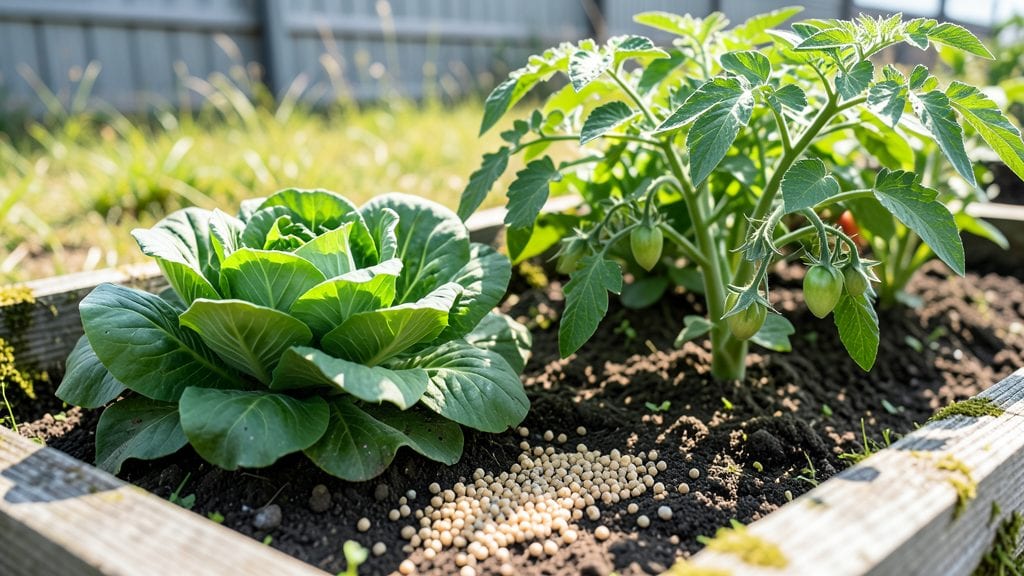
Fertilizing garden plants isn't just about dumping bags of food on the soil—it's about feeding your plants exactly what they need, when they need it. 🌱 I learned this the hard way after my tomatoes produced all leaves and no fruit, despite my best efforts.
The right schedule makes the difference between struggling plants and a garden that thrives effortlessly.
Start with a simple soil test to know what's missing—most gardens need nitrogen for green growth, phosphorus for roots, and potassium for strength. Organic options like compost or manure release nutrients slowly, while synthetic fertilizers give an instant boost.
I prefer a balanced approach: organic for long-term health, synthetic for quick fixes during growing seasons.
You'll see the payoff in just a few weeks—deep green leaves, stronger stems, and blooms that last longer. The key is consistency: feed vegetables every 4-6 weeks, flowers when they start blooming, and lawns seasonally. Over-fertilizing is easy, but I'll show you how to avoid that too.
This works for any garden—vegetable patches, flower beds, or even houseplants. Whether you're a beginner or a seasoned gardener, the science-backed schedule below will keep your plants happy and productive all season long.
📚 In This Guide
- What you need
- Instructions
- Tips and common mistakes
- Wrapping up and next steps
What you need
- ● Fertilizer: Balanced all-purpose fertilizer (e.g., 10-10-10 NPK ratio) – 2–4 lbs per 100 sq ft
- ● Slow-release granular fertilizer (e.g., Osmocote) – 1–2 lbs per 100 sq ft
- ● Liquid fertilizer (e.g., fish emulsion or seaweed extract) – 1–2 tbsp per gallon of water
- ● Soil amendments: Compost or well-rotted manure – 1–2 inches mixed into topsoil
- ○ Organic matter (e.g., peat moss or coconut coir) – Optional for sandy/poor soil
- ● Tools: Garden gloves – 1 pair (nitrile for chemical fertilizers, cotton for organic)
- ● Hand trowel or garden fork – For mixing amendments
- ● Watering can or hose with spray nozzle – For liquid fertilizers
- ● Measuring cup or scale – For precise fertilizer doses
- ● pH test kit – To check soil acidity (ideal: 6.0–7.0 for most plants)
- ● Organic mulch (e.g., straw or wood chips) – Retains moisture & slows nutrient loss
- ● Slow-release fertilizer spikes (for containers) – 1–2 per 5-gallon pot
- ● Epsom salt (magnesium sulfate) – 1 tbsp per gallon for leafy greens
Step-by-step instructions for feeding your garden plants
Here’s my foolproof method for feeding plants that delivers steady growth without burning roots.
🌿 Step 1: Test Soil and Choose the Right Fertilizer
Start by testing your soil’s pH and nutrient levels—most garden centers sell affordable test kits. I like to use a balanced 10-10-10 fertilizer for general feeding, but heavy feeders like tomatoes need a 5-10-10 for extra phosphorus. Organic options like compost tea or fish emulsion work well too, but they require more frequent applications.
Match your fertilizer to the plant’s needs: leafy greens thrive on nitrogen-heavy feeds, while flowering plants need more phosphorus. Never guess—your plants will tell you if you’re wrong with yellow leaves or stunted growth. If your soil is already rich, skip the fertilizer entirely and focus on mulching instead.
💧 Step 2: Apply Fertilizer at the Right Time
Feed plants in the morning when temperatures are cooler and evaporation is slower. Avoid fertilizing in direct afternoon sun—it can scorch roots and leaves. For new seedlings, wait until they’ve developed 2-3 true leaves before applying anything stronger than a diluted starter solution.
Follow the label’s recommended rate, but I always halve it for the first feeding. Too much fertilizer burns roots faster than you can water it out. Water the soil deeply 24 hours before and after applying fertilizer to help distribute nutrients evenly and prevent salt buildup.
⏰ Step 3: Follow a Science-Backed Feeding Schedule
For most vegetables and flowers, feed every 2-4 weeks during the growing season (spring through summer). I mark my calendar with reminders because consistency matters more than quantity. For example, tomatoes get a light feed every 2 weeks once they start flowering, while herbs like basil only need feeding once a month—they’re light feeders.
Cut back in late summer as plants prepare for dormancy. Over-fertilizing now encourages tender new growth that won’t survive frost. In fall, switch to a low-nitrogen, high-potassium fertilizer to strengthen roots and prepare plants for winter. Always stop fertilizing 6 weeks before the first frost to let roots harden off naturally.
🌱 Step 4: Monitor and Adjust for Plant Health
Watch for signs of over- or under-feeding. Yellow leaves with green veins mean too much nitrogen; dark green leaves with weak stems signal phosphorus deficiency. If leaves curl or crisp at the edges, you’ve overdone it—flush the soil with 6 inches of water to dilute excess salts.
I keep a small notebook by my garden to track which plants respond best to which feeds. For instance, my peppers always perk up after a calcium-rich feed, while my roses bloom longer with magnesium supplements. Adjust your approach based on what you observe—no two gardens are exactly alike.
Tips & tricks for perfect plant feeding
Here's what nobody tells you about keeping your garden thriving without overdoing it.
The Soil Test Secret: Don't skip the pH test—most garden soils are either too acidic or alkaline for optimal plant growth. I've seen tomatoes struggle in soil with a pH of 6.0 when they actually need 6.5-6.8. If your test shows extreme pH levels, consider adding lime to raise pH or sulfur to lower it before fertilizing. This simple step can save you from wasting expensive fertilizer on plants that won't absorb it properly.
First Feeding Strategy: That 24-hour watering rule before and after fertilizing is non-negotiable. I learned this the hard way when my peppers developed brown leaf tips after fertilizing without proper hydration. The deep watering helps dissolve nutrients and washes excess salts away from root zones. Use a moisture meter to ensure your soil is evenly moist—not soggy, not dry—before applying fertilizer.
Seasonal Transition Tip: The 6-week cutoff before frost isn't arbitrary—it gives plants time to harden off naturally. I've found that switching to a low-nitrogen fertilizer in late summer actually helps plants develop stronger root systems that can better withstand winter. Look for fertilizers labeled "winterizer" or "fall fertilizer" that emphasize potassium over nitrogen.
Visual Diagnosis: Those yellow leaves with green veins? That's classic nitrogen overload, but dark green leaves with weak stems mean phosphorus deficiency. I keep a small reference chart by my garden showing these symptoms with photos. When in doubt, flush the soil with 6 inches of water to dilute any excess salts—it's better than waiting for the damage to become permanent.
Pro Tips for Fertilizing Garden Plants
- Here's what nobody tells you about keeping your garden thriving without overdoing it.
- The Soil Test Secret: Don't skip the pH test—most garden soils are either too acidic or alkaline for optimal plant growth.
- First Feeding Strategy: That 24-hour watering rule before and after fertilizing is non-negotiable.
Frequently asked questions
When is the best time to fertilize my garden plants?
The ideal time depends on your plants! For vegetables and annuals, fertilize at planting and again when flowers appear. Perennials and shrubs benefit from a slow-release fertilizer in early spring. Avoid fertilizing late in the season—it encourages tender new growth that won’t survive frost. Pro tip: Always water before and after applying fertilizer to prevent root burn!
How often should I fertilize my garden?
Frequency varies by plant type and fertilizer type. Fast-growing veggies (like tomatoes or peppers) may need feeding every 2–4 weeks, while slow-growing perennials (like lavender) thrive with just 1–2 applications per year. Organic fertilizers (like compost or manure) release nutrients slowly, so they require less frequent use than synthetic options. Check your fertilizer’s label for specific recommendations!
What if I forget to fertilize? Can I still save my plants?
Don’t panic! Most plants are resilient. If you’ve missed a feeding, water deeply first to wake up roots, then apply a balanced, water-soluble fertilizer (like 10-10-10) at half-strength. For organic options, try a quick boost with compost tea or fish emulsion. Prevention tip: Set calendar reminders or tie fertilizing to seasonal tasks (e.g., “after the first big rain”).
Are there natural alternatives to chemical fertilizers?
Compost, manure (well-aged!), worm castings, and plant-based fertilizers (like alfalfa meal or seaweed extract) are excellent choices. For a DIY option, brew compost tea or use banana peels (for potassium) buried near plants. Bonus: Natural fertilizers improve soil health long-term, reducing the need for synthetic inputs.
Why are my plants’ leaves turning yellow after fertilizing?
Yellowing leaves often signal over-fertilization or root burn. If this happens, flush the soil with water to dilute excess salts, then switch to a gentler fertilizer (like fish emulsion or a low-nitrogen option). Check your water—hard water can worsen the issue. Prevent future problems by following label rates and avoiding fertilizers with high salt content (like urea).
How do I know if my plants need fertilizer at all?
Look for these signs: Slow growth, pale or yellowing leaves, or fewer flowers/fruits than usual. For a quick test, dig 6 inches into the soil—if it’s light and crumbly, it’s likely nutrient-poor. Healthy soil should smell earthy and hold moisture well. Start with a soil test (available at garden centers) to identify specific deficiencies!
Wrapping up and next steps
Fertilizing your garden isn’t just guesswork—it’s a science-backed way to nurture thriving plants! By following a tailored schedule and understanding your plants’ needs, you’ll unlock lush, vibrant growth that’s the envy of every green thumb. 🌱✨
Ready to see your garden flourish? Start small—pick one plant to experiment with this week, then expand your routine. Soon, you’ll be the neighborhood’s go-to gardener, armed with knowledge and a blooming success story!