
Shrubs
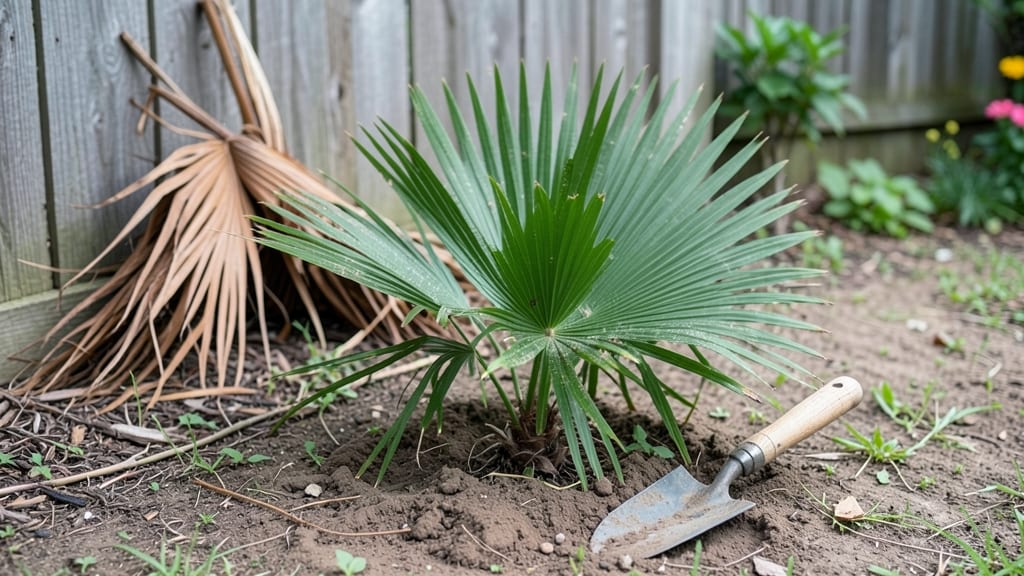
Florida weave gardening turns your yard into a lush, living privacy screen that thrives year-round. 🌿 I’ve watched my neighbor’s chain-link fence gather bird nests and rust while my Florida weave—made from native shrubs and woven palm fronds—stays vibrant, wind-resistant, and full of life.
The best part? It’s built to blend into Florida’s landscape, not fight it.
The magic is in using what grows naturally here: muhly grass, coontie palms, or even bamboo for structure. You’ll need basic tools—a saw, twine, and sturdy posts—but no heavy equipment. The weave itself is simple: layer branches in a lattice pattern, then let native shrubs climb and fill in.
Within a season, you’ll have a screen that’s both functional and stunning, without the upkeep of traditional fences.
Imagine stepping outside to a backyard that feels like a private retreat, where the breeze rustles through your own living wall. The weave blocks noise, softens harsh sunlight, and even helps control erosion along driveways.
Plus, it’s a wildlife magnet—birds nest in the branches, and butterflies flutter through the gaps. Your neighbors will ask how you did it.
Here’s the kicker: Florida’s humidity and heat make this the perfect solution. No plastic, no metal that rots, just plants that grow stronger every year. Ready to build a screen that lasts longer than your mortgage? Let’s get weaving.
📚 In This Guide
- What you need
- Instructions
- Tips and common mistakes
- Wrapping up and next steps
What you need
- ● Native Florida shrubs: 10–20 plants of Myrica cerifera (wax myrtle) – 3–5 ft tall
- ● 10–20 plants of Ilex glabra (inkberry holly) – 3–6 ft tall
- ○ Optional: Persea borbonia (red bay) or Clethra alnifolia (coastal clethra) for variety
- ● Soil amendments: 5–10 lbs of organic compost (for each planting hole)
- ● 1–2 cups of slow-release fertilizer (10-10-10 ratio)
- ● Tools: Shovel or trenching shovel (for digging)
- ● Garden gloves (to protect your hands!)
- ● Measuring tape (to space plants evenly)
- ● Watering can or hose with a gentle spray nozzle
- ● Mulch (2–3 inches of pine straw or shredded bark to retain moisture)
- ● Stakes and twine (to support young plants while they establish roots)
- ● Pruners (for shaping after planting)
- ● Drip irrigation system (for year-round watering efficiency)
Step-by-Step instructions for creating a Florida weave privacy screen
Here’s how to build a lush, year-round privacy screen using Florida’s native shrubs—no fences, no fuss.
🌱 Step 1: Plan Your Layout and Select Plant Spacing
Start by measuring your space. Florida weave thrives when plants are spaced 12-18 inches apart in rows 18-24 inches apart. This creates natural gaps for light and airflow while maintaining density. Sketch a simple grid on paper—mark where each plant will go, keeping taller shrubs like Oakleaf Hydrangea or American Beautyberry toward the back and shorter ones like Dwarf Yaupon Holly or Frostweed in front.
I always add a 6-inch buffer along property lines to prevent overcrowding later. If your space is narrow (under 8 feet), stick to a single row. Wider areas? Use two staggered rows for a fuller look. Remember, Florida’s native shrubs grow 3-6 feet tall—check each variety’s mature height before planting.
🪴 Step 2: Prepare the Soil and Plant Your Shrubs
Dig holes twice as wide as the root ball but only as deep as the container. This encourages roots to spread outward instead of settling too deep. Mix the native soil with 1 part compost (from your 3 cubic feet of compost) to improve drainage and fertility. Florida’s sandy soil drains too fast, so this step keeps moisture where roots need it.
Place each shrub in its hole, firming soil gently around the base. Don’t pack it down—just enough to eliminate air pockets. Water deeply right after planting to settle the soil. I like to add a 2-inch layer of mulch (from your 4 bags of mulch) around each plant, keeping it 3 inches away from the stem to prevent rot. This mimics Florida’s natural leaf litter and conserves moisture.
☀️ Step 3: Water and Maintain Through the First Year
Water 2-3 times per week for the first 3 months, giving each plant 1 gallon of water per week. Florida’s heat and humidity can dry out new roots fast, so check soil moisture by sticking your finger 2 inches deep—if it’s dry, water again. After the first year, most native shrubs need only weekly watering during dry spells, but keep an eye on younger plants.
Fertilize lightly in early spring with a balanced, slow-release fertilizer (like your 1 bag of 10-10-10). Florida’s native shrubs don’t need much—too much nitrogen makes them leggy and weak. Prune in late winter to shape the screen, cutting back any dead or overgrown branches. This keeps the weave tight and encourages bushier growth.
✂️ Step 4: Encourage Year-Round Foliage and Bloom
Florida’s native shrubs offer color and texture all year. In spring, add 1 cup of bone meal (from your 1 bag of bone meal) to the soil around each plant to boost flowering. This is key for varieties like Crossvine or Firebush, which attract pollinators and add vibrant blooms. In fall, apply a thin layer of compost to replenish nutrients lost during the growing season.
Watch for Spanish Moss or air plants growing in your weave—that’s a good sign! These epiphytes thrive in Florida’s humidity and add to the natural, lush look. If any shrubs look sparse, thin them out in early spring to improve airflow. A well-maintained Florida weave should fill in completely within 2-3 years, giving you a privacy screen that’s as beautiful as it is functional.
Tips & tricks for perfect Florida weave gardening
These simple strategies will help you create a thriving, low-maintenance privacy screen that stands up to Florida’s unique climate.
Plant Placement Precision: In Step 1, when planning your layout, mark each plant’s position with stakes or flags before digging. This prevents overcrowding and ensures you maintain the 12-18 inch spacing between plants. I’ve seen too many Florida weaves become sparse because people eyeballed it—trust me, measuring pays off! The 6-inch buffer along property lines is especially important in Florida’s sandy soil, which compacts easily and can suffocate roots.
Root Ball Technique: When planting in Step 2, gently loosen the root ball before placing it in the hole. This encourages roots to spread outward into the amended soil rather than circling the root ball. For container-grown plants, score the bottom of the root ball with a knife if it’s tightly packed—this helps break up the root mass. The 2-inch mulch layer should be your last step; it helps retain moisture in Florida’s intense sun while keeping stems dry to prevent rot.
Watering Wisdom: During the critical first 3 months in Step 3, water deeply but infrequently. Instead of light daily watering, give each plant 1 gallon per week to encourage deep root growth. Florida’s sandy soil drains quickly, so check moisture by sticking your finger 2 inches deep—if it’s dry, water again. A drip irrigation system set on a timer is a game-changer for Florida weaves, as it delivers consistent moisture without the risk of overwatering.
Seasonal Maintenance: Don’t skip the early spring fertilization in Step 4—it’s when your shrubs are most active. I’ve found that a 10-10-10 fertilizer applied lightly (about 1/4 cup per plant) gives just enough nutrients without overfeeding. In fall, that thin layer of compost replenishes organic matter lost during the growing season, which is especially important in Florida’s nutrient-poor sandy soil. Pruning in late winter also prevents disease by removing dead wood before the rainy season begins.
Pro Tips for Florida Weave Gardening
- These simple strategies will help you create a thriving, low-maintenance privacy screen that stands up to Florida’s unique climate.
- Plant Placement Precision: In Step 1, when planning your layout, mark each plant’s position with stakes or flags before digging.
- Root Ball Technique: When planting in Step 2, gently loosen the root ball before placing it in the hole.
Frequently asked questions
Got questions about Florida Weave gardening?
You’re not alone! Here are answers to the most common inquiries to help you create a thriving, year-round privacy screen with native shrubs.
What’s the best time of year to plant Florida Weave shrubs?
Plant your Florida Weave shrubs in early spring (February–March) or fall (September–October). These periods offer mild temperatures, reduced stress, and ample time for roots to establish before extreme heat or cold. Avoid planting during Florida’s peak summer months—high heat and humidity can shock young plants.
How long does it take for a Florida Weave screen to provide full privacy?
With proper care, a Florida Weave screen can offer moderate privacy in 1–2 years and full coverage in 3–5 years. Fast-growing shrubs like Murraya paniculata (Orange Jessamine) or Ficus aurea (Florida Strangler Fig) speed up the process, while slower growers like Ilex cassine (Dahoon Holly) take longer. Regular pruning keeps growth dense and uniform!
How much water do Florida Weave shrubs need?
Newly planted shrubs need deep watering 2–3 times per week for the first month, then taper to once a week (or more in extreme heat). Once established, Florida Weave shrubs are drought-tolerant but thrive with 1 inch of rain or irrigation per week. Overwatering can harm roots, so always check soil moisture before watering.
What’s the best way to prune Florida Weave for a neat look?
Prune in late winter or early spring to shape your screen. Use clean, sharp shears to trim back overgrowth by 1/3 of the plant’s height to encourage bushiness. For a formal hedge, prune regularly throughout the year to maintain height and density. Avoid heavy pruning in fall—it can stimulate tender new growth vulnerable to frost.
Can I use Florida Weave in full sun or shade?
Most Florida Weave shrubs thrive in partial shade to full sun, but tolerance varies by species. Sun-lovers like Murraya paniculata and Ficus aurea need at least 6 hours of sunlight daily. Shade-tolerant options like Ilex cassine or Nyssa sylvatica (Black Tupelo) do well with 4–6 hours of filtered light. Observe your shrubs’ growth—yellowing leaves may signal too much sun or shade!
What pests should I watch for in a Florida Weave garden?
Common pests include scale insects, aphids, and spider mites. Treat infestations early with neem oil or insecticidal soap. Whiteflies may target shrubs like Ficus aurea, while palmetto bugs might seek shelter in dense foliage. Regularly inspect leaves and stems, and remove heavily infested branches to prevent spread.
Wrapping up and next steps
Florida Weave gardening is your ticket to a lush, low-maintenance privacy screen that thrives year-round—without the fuss of non-native plants!
By harnessing native shrubs like Murraya paniculata, Ficus microcarpa, and Ilex vomitoria, you’re not just creating a green barrier; you’re supporting Florida’s ecosystems while enjoying resilience, beauty, and sustainability. 🌿
Ready to transform your space? Start small—plant a single row or experiment with a mixed hedge—and watch your vision take shape. Your future shady, fragrant, and wildlife-friendly oasis begins with the first clipping! 🌱