
Pests
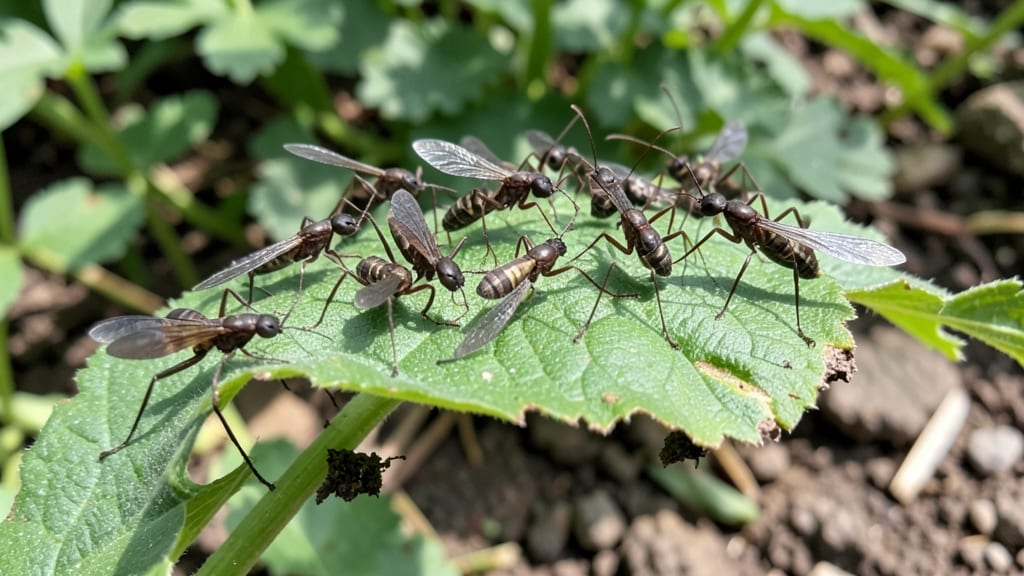
Flying ants in your garden aren’t just a nuisance—they’re a full-blown invasion that can strip plants bare overnight. 🌿 I’ve battled these swarms for years, and the secret weapon isn’t chemicals but a simple, natural barrier that actually works.
The key is understanding their behavior and cutting them off before they land.
These winged pests show up in late summer when the weather turns warm and humid, drawn to ripe fruit, sap, and even your favorite flowers.
Most sprays or traps fail because they don’t address the real problem: flying ants scout in swarms, so you need a method that disrupts their path before they settle. My go-to solution uses everyday materials and takes less than an hour to set up.
What you’ll get is a garden where ants avoid your plants entirely—no more chewed leaves, no more honeydew ruining your harvest. The barrier works for months, and it’s safe for bees, butterflies, and other pollinators. Best of all, it’s a one-time setup that keeps working without refills or replanting.
Whether you’re dealing with a small backyard or a large plot, this approach scales easily. The same principles apply to patios, greenhouses, and even indoor plants. Let’s stop those ants before they start.
The Science Behind Swarm Surges
If your garden suddenly becomes a hotspot for winged ants, you’re not imagining things—there’s a very real (and fascinating) reason behind it. Flying ants don’t just appear out of nowhere; their swarms are triggered by a mix of environmental cues, biological cycles, and even weather patterns.
Understanding these causes can help you predict—and prevent—their unwelcome visits. Here’s why your garden might be experiencing a massive ant invasion.
Flying ants are highly sensitive to temperature changes, and their swarming behavior is directly tied to seasonal warming. Here’s how it works:
- Spring and Summer Triggers: After a long winter, colonies need to reproduce. When soil or air temperatures consistently reach 60–70°F (15–21°C), worker ants signal the queen to produce alates (reproductive winged ants). This is their one chance to mate and start new colonies.
- Rapid Warm-Up Periods: A sudden heatwave after cooler days can kickstart swarming weeks earlier than usual. In some regions, this means unpredictable swarms in late spring or even early summer.
- Humidity Matters: High humidity (60%+) softens the soil, making it easier for ants to excavate their nuptial chambers—where mating occurs. Dry conditions can delay swarms, while damp weather accelerates them.
Actionable Tip: Monitor your local weather forecasts. If temperatures spike after a cool spell, expect flying ants within 2–4 weeks. This gives you time to prepare defenses.
Water isn’t just a necessity for ants—it’s a swarming catalyst. Heavy rain or sudden moisture changes disrupt ant colonies in ways that trigger mating flights:
- Flooding or Heavy Downpours: When ant nests flood, workers scramble to relocate or reproduce before the colony drowns. This forces the queen to release alates prematurely.
- Drought Followed by Rain: Prolonged dryness weakens colonies, and the first significant rainfall signals a "now or never" moment for reproduction. This is why swarms often peak after a dry spell.
- Morning Dew or Irrigation: Excess moisture near nests (like overwatered lawns) can mimic natural rain triggers, causing localized swarms even in dry climates.
Pro Tip: 💡 If your area has unusual rainfall patterns (like sudden storms after drought), flying ants may appear earlier or in larger numbers. Adjust your garden watering to avoid creating a "swarm magnet."
Not all flying ants are created equal—and their swarms aren’t random. The behavior is orchestrated by the queen, who controls when and how reproduction happens. Here’s why colonies suddenly "decide" to send out swarms:
- Peak Colony Maturity: Most ant species (like Lasius niger or carpenter ants) take 1–3 years to mature. Once a colony reaches 50,000+ workers, the queen prioritizes expansion over survival, triggering a swarm.
- Nest Competition: If nearby colonies are also mature, they’ll swarm simultaneously to saturate the area with new queens, reducing competition for resources.
- Pheromone Signals: Worker ants release chemicals when they sense optimal conditions (warmth, moisture, food). These pheromones act like a "countdown timer," urging the queen to release alates.
Key Insight: If you’ve noticed more flying ants than usual in your neighborhood, it’s likely because multiple colonies are swarming at once. This is common in suburban areas where gardens are densely packed.
Your garden might be a swarm hotspot because it’s an all-you-can-eat buffet for ants. Here’s how food and shelter attract them:
| Attraction Factor | Why It Triggers Swarms | How to Counter It |
|---|---|---|
| 🍂 Leaf Litter and Mulch | Ants use organic debris to build nests. A thick layer of leaves or mulch signals "ideal nesting conditions," prompting swarms. | Reduce mulch depth to 1–2 inches and keep it dry. |
| 🍎 Fruit, Sweets, and Pet Food | Food sources near nests accelerate colony growth, leading to faster maturation and earlier swarms. | Store food in sealed containers and clean up spills immediately. |
| 🌳 Tree Roots and Wood | Carpenter ants target damp wood (like dead trees or fence posts), creating larger colonies that swarm more aggressively. | Remove rotting wood and treat stumps with borax or vinegar. |
| 💧 Standing Water | Puddles or leaky hoses provide hydration, helping colonies survive and grow faster. | Fix leaks and avoid overwatering garden beds. |
Warning: 🚨 If your garden has multiple of these factors, you’re not just attracting flying ants—you’re creating a swarm factory. Addressing one issue (like mulch) won’t solve the problem if others remain.
Quick Fixes for Flying Ant Swarms
Flying ants in your garden aren’t just a nuisance—they can quickly turn a peaceful outdoor space into a chaotic mess. The good news? With the right approach, you can banish them fast and keep them from returning.
Below, we break down targeted solutions based on the root cause of your infestation, plus prevention tips to protect your garden long-term.
When flying ants suddenly appear in droves, act fast before they nest in your plants, soil, or even your home.
🍳 Trap Them with DIY Baits (Fastest Method)
Flying ants are attracted to protein-rich baits, which they’ll carry back to the colony—eliminating the source.
- What you’ll need: A shallow dish (like a pie tin), peanut butter, and a little borax (or dish soap as a natural alternative).
- How to do it: 1.
Mix 2 parts peanut butter + 1 part borax (or just use plain peanut butter if you prefer a chemical-free approach). 2. Place the bait in multiple spots where ants are active (near windows, plants, or entry points).
- Wait 24–48 hours—the worker ants will feed and share the bait, collapsing the colony. - Pro tip 💡: Place traps under decks, in mulch, or near moisture—these are prime nesting spots.
👨🍳 Block Entry Points (Stop the Invasion)
Flying ants sneak in through tiny gaps.
Seal them off to cut off their access: - Check for cracks in walls, windows, doors, and foundations. - Use caulk or weather stripping to close gaps larger than 1/16 inch. - Install fine mesh screens on vents and chimneys. - Keep mulch away from your home’s foundation—ants love nesting in it.
🥘 Remove Standing Water (Cut Off Their Water Supply)
Ants need moisture to survive.
Eliminate their water sources to weaken the colony: - Fix leaky hoses, faucets, or irrigation systems. - Drain standing water in saucers, gutters, or clogged drains. - Avoid overwatering plants—keep soil slightly dry to deter nesting.
Once you’ve dealt with the immediate problem, prevent future invasions with these low-maintenance strategies.
🌡️ Natural Repellents (Safe for Gardens & Pets)
Chemical sprays can harm plants and pollinators. Instead, use eco-friendly deterrents: - Diatomaceous earth (DE): Sprinkle food-grade DE around entry points and ant trails.
It dehydrates ants without chemicals. - Essential oils: Mix peppermint, tea tree, or citrus oil with water in a spray bottle.
Apply to windowsills, doorways, and ant-prone areas. - Cinnamon or cayenne pepper: Sprinkle around the garden perimeter—ants hate the scent. - Vinegar solution: Spray a 1:1 vinegar-water mix on ant trails to disrupt their pheromone paths.
🎯 Garden Maintenance to Discourage Nesting
A well-kept garden is less appealing to flying ants.
Try these tweaks: - Reduce organic debris: Clear away fallen leaves, wood piles, and thick mulch near your home. - Trim overgrown vegetation: Ants love nesting in dense shrubs and tall grass—keep plants trimmed back. - Use gravel or crushed stone as a physical barrier around garden beds (ants avoid crossing it). - Plant ant-repelling flora: Mint, lavender, marigolds, and lemongrass naturally deter ants.
✨ Professional Help for Severe Infestations
If flying ants keep coming back despite your efforts, it’s time to call in pest control experts.
They can: - Locate and treat the queen’s nest (the source of the problem). - Use targeted, long-lasting insect growth regulators (IGRs) to prevent future swarms. - Provide a follow-up plan to keep your garden ant-free.
Final Reminder: Flying ants only swarm once a year (usually after rain), but their workers stay active. Act now to stop the cycle before it starts! 🚀
Frequently asked questions
Why do flying ants suddenly appear in my garden?
Flying ants swarm when colonies mature and reproduce, typically triggered by warmth (60–70°F) and high humidity. They’re often drawn to gardens after rain or during late summer when food sources (like ripe fruit) are abundant. These swarms are their one chance to mate and start new colonies, not an ongoing infestation.
Are flying ants harmful to my plants?
While flying ants themselves don’t eat plants, their workers can damage roots and spread honeydew (a sticky substance that attracts mold). The real issue is their nesting—large colonies in mulch or soil can disrupt plant growth. The swarms are more annoying than destructive, but preventing nests is key to protecting your garden.
How long do flying ant swarms last?
Swarming typically lasts 2–5 days per season, depending on weather. Once the ants mate and die, the workers return to their nests. The swarm itself isn’t the problem—it’s the colony’s presence year-round that requires action. Focus on barriers and baits during swarm season to eliminate the source.
Can I use vinegar to repel flying ants?
Yes! A 1:1 vinegar-water spray disrupts ant pheromone trails, making it harder for scouts to guide swarms. Reapply after rain, as moisture reactivates trails. For best results, combine with diatomaceous earth around garden edges—this dehydrates workers while vinegar confuses their navigation.
Will flying ants come back next year?
If you don’t address the colony, yes—the same queen can produce thousands of winged ants annually for years. The key is eliminating the nest (via baits or professional treatment) and maintaining physical barriers (like gravel borders). Natural repellents alone won’t stop recurring swarms; you need a multi-step approach.