
Vegetables
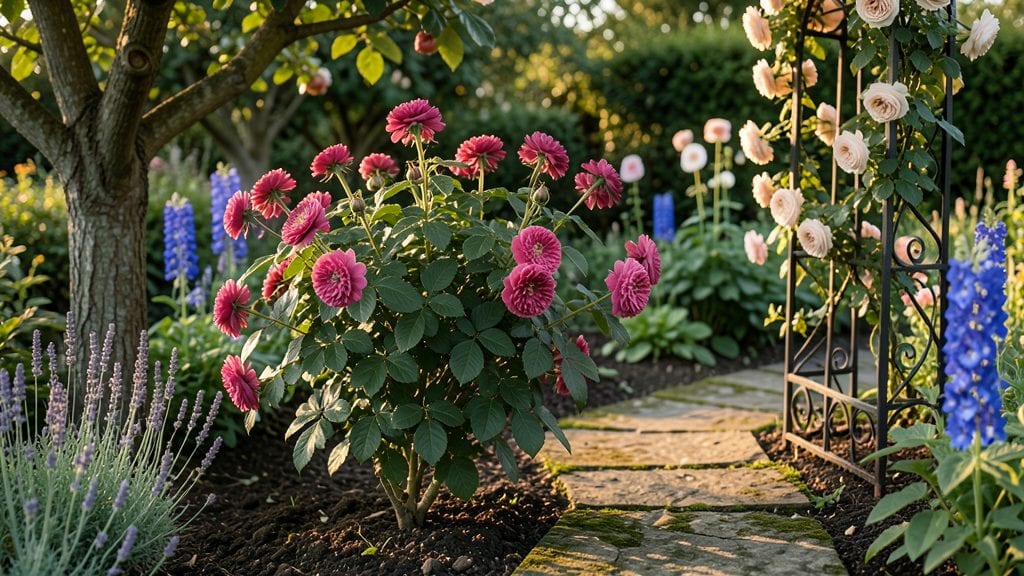
French cottage gardens aren't just gardens—they're love letters to nostalgia, where roses climb over weathered arbors and lavender spills across sunlit paths. I fell for this style after visiting a crumbling stone cottage in Provence, where every plant seemed to have a story.
The magic lies in layering: tall grasses hiding garden seats, climbing roses softening fences, and fragrant herbs tucked near the door.
You don't need a sprawling estate to create this charm. Start with a mix of perennials (like peonies and delphiniums) and romantic annuals (nasturtiums, sweet peas) that spill over edges.
Add rustic elements like old wooden crates as planters or a simple DIY trellis for climbing plants—both cost under $20 and transform bare spots instantly. The color palette? Soft whites, dusty blues, and rosy pinks, all mixed with deep greens for contrast.
What you'll end up with is a garden that feels lived-in and full of secrets—where every corner reveals another surprise. The scent of roses on a summer morning or the way sunlight filters through wisteria vines creates moments that last long after the blooms fade.
Best of all, this style thrives on imperfection: a few weeds here, a leaning trellis there—it's all part of the charm.
Works in any yard size, from a tiny urban plot to a half-acre backyard. The key is starting small—maybe one whimsical corner this year—and letting the romance grow naturally. Here's how to begin without the overwhelm.
📚 In This Guide
- What you need
- Instructions
- Tips and common mistakes
- Wrapping up and next steps
What you need
- ● Soil: 10–20 cubic yards of well-draining, nutrient-rich garden soil (amend with compost for fertility).
- ● Plants: Perennials (e.g., lavender, roses, peonies, delphiniums) – 20–30 plants.
- ● Annuals (e.g., marigolds, snapdragons, pansies) – 10–15 plants.
- ● Vegetables (e.g., herbs like thyme/rosemary, edible flowers like nasturtiums) – 5–10 plants.
- ● Mulch: 2–3 bags of straw or shredded bark (for pathways and plant beds).
- ● Trellises/Arbors: 2–4 wooden or metal trellises (for climbing plants like clematis or roses).
- ● Garden Stones: 10–20 irregularly shaped stones (for pathways or borders).
- ● Garden Twine or Wire: 1–2 rolls (for tying plants to trellises).
- ● Hand Tools: Trowel (1–2)
- ● Pruners (bypass or anvil)
- ● Garden fork (1)
- ● Hand weeder (1)
- ● Measuring Tools: Measuring tape (25 ft) and stakes (for layout).
- ● Watering Supplies: Watering can (1–2) + hose with adjustable nozzle.
- ○ Optional Extras: Wheelbarrow (for hauling soil/mulch)
- ● Garden gloves (2 pairs)
- ● Sun hat & knee pads (for comfort!)
- ● ✅ Sunlight: At least 6 hours of direct sun daily (partial shade for delicate plants).
- ● ✅ Space: Minimum 10’x10’ area (expandable for larger designs).
- ● ✅ Water Access: Proximity to a water source or irrigation system.
- ● ✅ Local Climate Knowledge: Choose plants suited to your USDA hardiness zone.
Step-by-Step instructions for designing a French cottage garden
Here’s how to create a garden that feels like stepping into a storybook—full of charm and effortless beauty.
Choose a Soft, Natural Layout
French cottage gardens thrive on irregular shapes and winding paths. Start by sketching a loose, organic outline on paper—think gentle curves instead of straight lines. Avoid rigid symmetry; instead, let the design flow like a meandering stream. Mark areas for seating, borders, and focal points, but leave room for spontaneity. The key is to mimic a garden that’s been loved for generations, not meticulously planned.
Use the 4 servings (or sections) as your guide—each can become its own little vignette. For example, one area might feature climbing roses, another a mix of perennials and annuals, and a third could be a cozy nook with a bench. The goal is to create layers, so plan for overlapping heights and textures. I like to imagine the garden as a quilt, where each patch tells its own story while contributing to the whole.
Select a Mix of Plants with Varied Heights and Colors
French cottage gardens are all about abundance and diversity. Start with a tall backdrop—think roses, hydrangeas, or hollyhocks—to create depth and frame the space. Next, add mid-height plants like delphiniums, peonies, or lavender to fill the middle layer. Finally, fill the front with low-growing perennials and annuals, such as geraniums, pansies, or sweet alyssum, to soften the edges.
Color plays a huge role, but don’t overthink it. Let nature guide you—opt for soft pastels like pinks, blues, and whites, but also include bold pops of color like deep reds or purples for contrast. I always include at least one fragrant plant, like roses or jasmine, to engage the senses. Avoid neat rows; instead, plant in loose clusters to mimic the wild, romantic feel. The more variety, the more magical the garden feels.
Add Whimsical Focal Points and Textures
No French cottage garden is complete without charming details. Scatter old-fashioned garden ornaments like weathered statues, birdbaths, or vintage lanterns throughout the space. These don’t have to be expensive—thrift stores often have hidden treasures. I like to place a small bench or a rustic wooden chair in a quiet corner, surrounded by climbing plants for shade and privacy.
Textures matter just as much as colors. Mix smooth leaves with spiky ones, like pairing hostas with ornamental grasses or ferns. Add climbing plants like clematis or morning glories to trellises or arbors to create vertical interest. Even simple elements like a stone path or a patch of wildflowers can elevate the look. The idea is to layer everything so the garden feels lived-in and full of character.
Incorporate Pathways and Seating Areas
Paths should invite exploration, not dictate it. Use stepping stones, gravel, or flagstone to create winding trails that meander through the garden. Avoid straight lines—opt for gentle curves that encourage you to linger. Place stepping stones irregularly, as if they’ve been there for decades. For seating, choose pieces with personality, like a wrought-iron chair, a wooden swing, or a stone bench. These spots should feel like secret hideaways, not just functional additions.
Shade is another essential element. Add a small arbor or pergola draped with climbing roses or wisteria to create a cozy retreat. Even a simple shade sail or a canopy of trees can transform a sunny spot into a tranquil nook. I always include at least one area where you can sit with a book or enjoy a cup of tea, surrounded by the garden’s beauty. The goal is to make the space feel like an extension of your home, not just a decorative backdrop.
Maintain with a Light, Natural Touch
French cottage gardens don’t require rigid upkeep. Instead of pruning neatly, let plants grow naturally and remove only what looks overgrown or dead. Deadhead flowers regularly to encourage more blooms, but don’t be afraid to leave some stems standing—they add texture and interest. Mulch with organic materials like straw or shredded bark to keep weeds at bay and retain moisture.
Water in the early morning or late evening to reduce evaporation and keep the garden lush. Fertilize lightly with compost or organic matter in the spring to nourish the soil without overfeeding. The beauty of this style is that it thrives on imperfection. A few weeds here, a wildflower there—it’s all part of the charm. The more you let the garden evolve naturally, the more it will feel like a timeless sanctuary.
Tips & tricks for perfect French cottage garden design
A few simple tricks will help you create a garden that feels like it's been there for decades, not just planted yesterday.
Sketch First, Then Plant: Before you dig a single hole, spend time sketching your layout on paper. I always start by drawing the outline of my garden space and then adding winding paths that feel organic, not geometric. This helps you visualize how the different sections will flow together. Think of it like a painting—you want layers and depth, not flat, empty spaces. The 4-section approach mentioned in Step 1 works beautifully if you dedicate each area to a different theme or plant type, creating visual interest as you move through the garden.
Plant in Odd Numbers: When arranging plants, especially in clusters, use odd numbers like 3, 5, or 7 instead of even numbers. This creates a more natural, balanced look that feels intentional rather than rigid. For example, group three climbing roses together near your seating area—it'll look more whimsical than a straight line of five. This tip works especially well for your mid-height plants like delphiniums or lavender mentioned in Step 2, where you want that romantic, slightly wild feel.
Layer Your Textures: The secret to that lived-in cottage garden look is texture variety. In Step 3, you're encouraged to mix smooth leaves with spiky ones, but don't stop there—incorporate different leaf shapes and sizes throughout. Pair delicate ferns with bold hostas, or add ornamental grasses that sway in the breeze. I like to create a "texture triangle" in each section: a tall plant for height, a medium plant for the middle, and a ground cover for the base. This creates visual interest at every level and makes your garden feel more dimensional.
Thrift Store Treasures: One of my favorite budget-friendly tips is to hunt for vintage garden ornaments at thrift stores or flea markets. Look for weathered statues, old lanterns, or even mismatched teacups that can become charming planters. These pieces add character and history to your garden instantly. Place them intentionally—maybe one near your seating area and another along a winding path. The key is to let them feel like they've always been there, not like new additions. This ties perfectly with Step 3's focus on whimsical focal points.
Pro Tips for French Cottage Gardens
- A few simple tricks will help you create a garden that feels like it's been there for decades, not just planted yesterday.
- Sketch First, Then Plant: Before you dig a single hole, spend time sketching your layout on paper.
- Plant in Odd Numbers: When arranging plants, especially in clusters, use odd numbers like 3, 5, or 7 instead of even numbers.
Frequently asked questions
What are the key elements of a French cottage garden?
A true French cottage garden blends romantic charm with practicality. Look for layered plantings (tall, medium, and low), mixed perennials, climbing roses, vintage trellises, and whimsical ornaments like weathered pots or stone statues. Don’t forget winding paths and soft, earthy colors—think lavender, sage, and muted pinks!
How do I start a French cottage garden on a budget?
You don’t need a fortune to create magic! Start small with cuttings from friends’ gardens or seed packets (lavender, roses, and herbs are cost-effective). Repurpose old containers, pallets, or bricks for borders. Shop end-of-season sales for discounted plants, and focus on perennials (they return yearly!). Even a single climbing rose on a trellis adds instant charm.
How long does it take to see results in a French cottage garden?
Patience is key! With annuals and fast-growing plants, you’ll see color in 6–8 weeks. Perennials and roses may take 1–2 years to fully mature. Layer plants strategically: Start with low-growing ground cover (like thyme), add mid-height shrubs (lavender, hydrangeas), and top with climbers (clematis, roses). Over time, the layers will fill in beautifully!
Are French cottage gardens low-maintenance?
Not quite! While they’re worth the effort, they do require regular upkeep. Deadhead flowers, prune roses, and mulch annually to retain moisture. Weeding is a must—these gardens thrive on organized chaos, but overgrown vines or invasive weeds can take over quickly. Group plants by water needs to simplify care, and consider self-seeding annuals (like poppies) to reduce replanting.
Can I create a French cottage garden in a small space, like a balcony or patio?
Think vertical gardening—use hanging baskets, tiered planters, or wall-mounted trellises for climbing flowers. Opt for compact varieties (like miniature roses or dwarf lavender) and mix edible herbs (basil, rosemary) for dual beauty and function. Even a single window box with geraniums and sweet peas captures the spirit!
What’s the biggest mistake beginners make?
The #1 error? Overcrowding plants or ignoring sunlight needs. French cottage gardens rely on airflow—too many plants can lead to disease. Research each plant’s sunlight requirements (e.g., roses need 6+ hours of sun, while ferns thrive in shade). Also, avoid skipping soil prep: Amend clay or sandy soil with compost to ensure healthy roots. Less is more!
Wrapping up and next steps
French cottage gardens are all about effortless charm—layered plants, rustic paths, and a touch of vintage magic. Whether you’re filling a small corner or transforming your entire yard, these timeless layouts bring joy and tranquility to any space.
Start small, embrace imperfection, and let your garden tell its own story!
Ready to dive in? Sketch your design today—grab a pencil, wander your space, and let the whimsy inspire you. Need a little more guidance? Check out our step-by-step planting guide to turn your vision into reality! 🌸