
Flowers
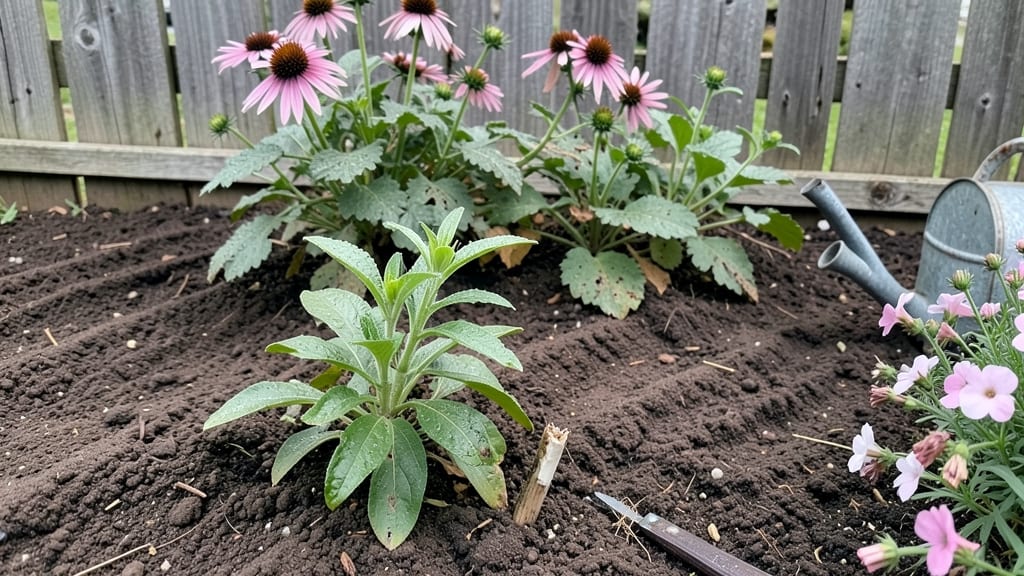
A freshly gardened appearance means plants show lush, healthy foliage, recent growth, and a neat presentation—clear signs of regular care and ideal growing conditions. This look comes from consistent watering, strategic pruning, and soil maintenance.
A freshly gardened look isn't just about aesthetics—it's a visual cue that your plants are thriving. 🌿 The key markers include vibrant green leaves, new shoots emerging, and a clean, weed-free base.
This appearance tells you the plant is receiving the right balance of water, sunlight, and nutrients without overcrowding. Think of it as your garden's way of showing appreciation for your efforts!
What's fascinating is how quickly neglect shows up. Just one missed watering or skipped pruning can turn that "fresh" look into dull leaves or leggy growth. I've learned that maintaining this appearance requires regular check-ins—especially during seasonal changes when plants have different needs.
The difference between a "fresh" garden and one that's struggling often comes down to these small, consistent habits.
💡 In This Article
- What Defines a Freshly Gardened Plant
- How to Keep Your Garden Looking Freshly Gardened
What defines a freshly gardened plant
A freshly gardened plant reveals itself through biological vitality and visual harmony. The leaves exhibit a deep, vibrant green hue—often with a slight waxy sheen—thanks to chlorophyll production at peak efficiency. New growth appears as tender, bright green shoots emerging from stems, indicating active photosynthesis.
This freshness isn't just surface-level; it's rooted in the plant's cellular health, where optimal moisture levels (typically 40-60% soil moisture for most plants) keep roots hydrated without drowning them.
Compare this to neglected plants: their leaves turn yellow or brown at the edges, a sign of nutrient deficiency or overwatering. Overwatered plants develop a soggy, mushy texture in their stems, while underwatered ones feel crisp and brittle.
The soil around a fresh plant has a loamy texture—neither compacted nor powdery—with a pleasant earthy aroma. This is because healthy soil teems with microbial activity, breaking down organic matter into nutrients plants can absorb. 🌱
The absence of pests and diseases is another key marker. Freshly gardened plants rarely show signs of aphids, spider mites, or fungal spots because regular care prevents these issues. I've noticed that plants receiving weekly inspections catch problems early—like the first sign of powdery mildew on rose leaves—before they spread.
Even the plant's shape tells a story: pruned branches encourage bushier growth, while unchecked growth leads to leggy, weak stems that can't support their own weight.
Seasonal variations also play a role. In spring, fresh plants burst with new leaves and flowers, while summer brings lush foliage that might show slight heat stress (like curled edges). Autumn reveals rich, deep leaf colors, and winter shows dormant but healthy stems.
The contrast between a freshly gardened plant and one that's struggling becomes most obvious during these transitions—like how a well-watered herb garden stays vibrant through summer heat while neglected herbs wilt by noon.
Here's what's actually happening at the cellular level: Healthy plants maintain turgor pressure—the internal water pressure that keeps leaves upright. When this pressure drops (due to drought or disease), leaves wilt.
Fresh plants also exhibit stomatal efficiency, where tiny pores on leaves regulate water loss and gas exchange perfectly. This efficiency is visible in the plant's ability to recover quickly after minor stress, like a brief drought or wind exposure.
One often-overlooked detail is the root zone. Fresh plants have white, firm roots that spread actively in the soil. Roots that are brown or mushy indicate rot, while roots that are dry and brittle show dehydration.
The best way to check is to gently dig around the base—healthy roots should resist pulling but give slightly when tugged. This root health directly correlates with the plant's above-ground freshness, as roots are the lifeline for nutrient and water uptake.
The bottom line? A freshly gardened plant isn't just pretty—it's a living testament to balanced care. It's the result of understanding each plant's unique needs (like tomatoes needing 1-2 inches of water weekly versus succulents that thrive on monthly watering) and responding accordingly.
When you see that perfect combination of lush leaves, new growth, and clean lines, you're looking at a plant that's not just surviving, but truly thriving. 🌿