
Vegetables
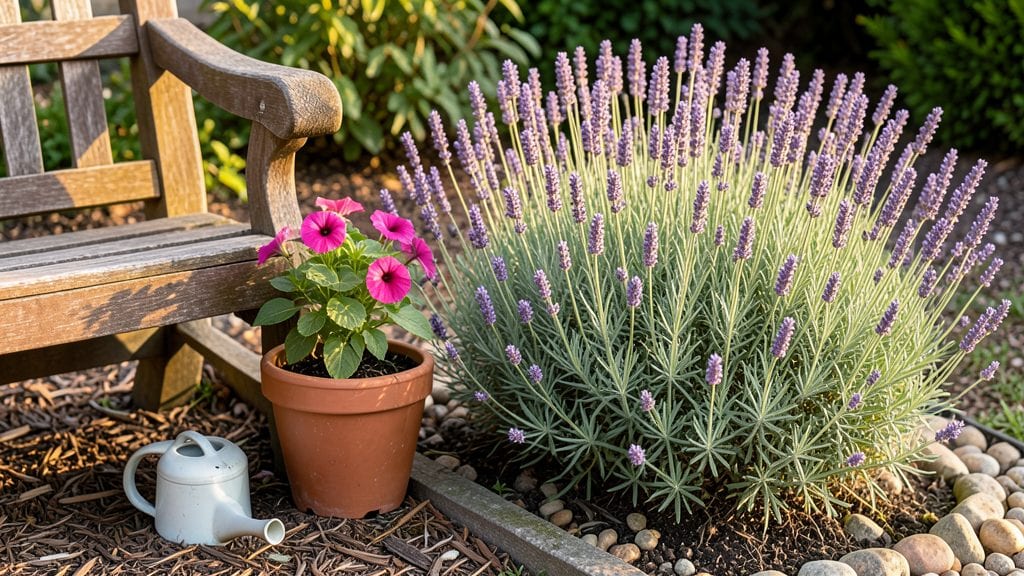
Creating a friendly neighbor garden starts with a simple but powerful idea: every yard should buzz with life, not just for bees but for the people who walk by. 🌿 I designed mine to be a magnet for pollinators and passersby alike, using native perennials that never stop blooming and seating nooks that invite conversation.
The result? A space that feels like a shared treasure, not just a private plot.
You don’t need a big yard—just a little creativity. Start with pollinator-friendly plants like milkweed for monarchs, coneflowers for bees, and salvia for hummingbirds. Add a few low-maintenance perennials like black-eyed Susans or Russian sage, and you’ll have color from spring to frost.
A simple wooden bench or a few Adirondack chairs turns it into a gathering spot.
The magic happens when neighbors stop to chat, kids spot butterflies, and even the grumpiest neighbor smiles. Your garden becomes a year-round pollinator paradise—and a place where community grows just as much as the flowers. The best part? It’s easier than you think, and the payoff is priceless.
Whether you’re in a suburban cul-de-sac or an urban backyard, this approach works. The key is planting what thrives in your climate and keeping it welcoming. Let’s make your yard the one everyone wants to visit!
📚 In This Guide
- What you need
- Instructions
- Tips and common mistakes
- Wrapping up and next steps
What you need
- ● Native pollinator-friendly plants: 5–10 varieties (e.g., milkweed, coneflowers, bee balm, sunflowers, lavender). Aim for a mix of annuals, perennials, and shrubs.
- ● Soil: High-quality native soil or compost blend (2–3 cubic yards for a 10’x10’ bed). Add perlite or sand for drainage if needed.
- ● Mulch: 2–3 bags of organic mulch (e.g., wood chips or straw) to retain moisture and suppress weeds.
- ● Watering system: Drip irrigation kit (with 1/4" tubing and emitters) or a soaker hose (50–100 ft).
- ● Watering can (5-gallon, for smaller containers).
- ● Fertilizer: Slow-release organic fertilizer (e.g., 10-10-10 or compost tea) or worm castings.
- ● Pruners: Bypass pruners (for clean cuts) and hedge shears (for shaping).
- ● Gloves & knee pads: Heavy-duty gardening gloves and padded knee pads for comfort.
- ● Plant markers: Biodegradable labels or stakes to track varieties.
- ● Pollinator hotel: A pre-made bee house or DIY bundle of bamboo stakes and drilled wood.
- ● Birdbath or shallow dish: Fill with water and pebbles for drinking and bathing.
- ● Pesticide-free sprays: Neem oil or insecticidal soap (only if pests appear—pollinators need protection too!).
- ● Seasonal add-ons: 🍂 Fall: Seed packets for winter-hardy plants (e.g., kale, ornamental grasses).
- ● 🌸 Spring: Bulbs like crocus or daffodils for early pollinators.
Instructions for designing a year-round pollinator-friendly garden
Let's create a thriving ecosystem that keeps bees, butterflies, and hummingbirds visiting all seasons long.
🌱 Step 1: Plan for Seasonal Blooms and Shelter
Start by mapping out four distinct planting zones—one for each season—with overlapping bloom times to ensure continuous nectar. I always include early spring bloomers like crocus and hellebore, summer staples such as coneflowers and black-eyed Susans, fall favorites like asters and goldenrod, and winter interest plants like mahonia and winterberry. This ensures pollinators always have food sources, even when some plants go dormant.
Next, incorporate shelter elements like dense shrubs, tall grasses, and leaf litter piles. These provide safe havens from predators and harsh weather. Place a few flat rocks or logs near planting areas—pollinators use them for basking in sunlight. I like to position these near water sources, as thirsty visitors will stop by frequently.
☀️ Step 2: Select Native Plants and Avoid Pesticides
Native plants are the backbone of any pollinator garden because they’ve co-evolved with local species. Research five native perennials that thrive in your region, then plant them in clusters of three or more to create visible feeding stations. For example, I pair milkweed (for monarchs) with bee balm and goldenrod. These combinations attract different pollinators and extend the bloom season.
Pesticides are the enemy of pollinators—even "organic" sprays can harm them. Instead, I use neem oil as a last resort and focus on healthy soil and beneficial insects like ladybugs to control pests naturally. If you must treat for pests, do it at dusk when bees and butterflies are less active, and avoid spraying when flowers are in bloom.
💧 Step 3: Create Water Sources and Mud Puddles
Pollinators need water, but they can’t access it like we do. Install a shallow birdbath or saucer filled with 1-2 inches of water and add pebbles or cork bark to give them safe landing spots. Place it in partial shade to prevent evaporation and mosquito breeding. I also create bare soil patches near water sources—bees and butterflies gather minerals by sipping from damp earth, a behavior called "mud puddling."
Keep water sources clean but undisturbed. Refill them every 2-3 days during hot weather, and add fresh pebbles seasonally to prevent algae buildup. In colder months, leave water available even if it freezes—thirsty pollinators will still visit thawing patches. This small detail makes a huge difference in survival rates during winter.
✂️ Step 4: Maintain Year-Round with Minimal Effort
Leave seed heads and dead stems standing through winter—they provide shelter for overwintering insects and food for birds. I only prune late winter or early spring, just before new growth begins. This timing ensures pollinators have resources while also keeping the garden tidy. For perennials, cut back foliage to 6 inches tall to allow sunlight to reach the base and encourage strong regrowth.
Mulch around plants with 2-3 inches of organic matter like shredded leaves or wood chips. This conserves moisture, regulates soil temperature, and suppresses weeds—all while supporting beneficial soil organisms. I avoid synthetic mulches because they don’t break down and can harm microbial life. Instead, I use what falls naturally in my yard, like oak leaves or pine needles.
🪴 Step 5: Add Pollinator-Friendly Structures
Install bee houses and butterfly boxes in sunny, sheltered spots. Solitary bees prefer vertical structures with 3/8-inch diameter holes, while mason bees thrive in 5/16-inch tubes. Place them at 3-5 feet off the ground, facing south or southeast for morning sun. I also hang bamboo stakes for leafcutter bees—they’ll use them to nest and chew leaves for their larvae.
For butterflies, include a rotting log or hollow stem** filled with damp sand. These provide ideal conditions for chrysalises. Avoid disturbing these structures once installed—pollinators return to the same spots year after year. I mark their locations on my garden map so I remember not to prune or till near them during spring cleanup.
Tips & tricks for perfect year-round pollinator gardens
Creating a thriving pollinator haven requires strategic planning—and these pro tips will help you avoid common pitfalls while maximizing impact.
Seasonal Layering Secret: In Step 1, when mapping your planting zones, aim for at least 20% overlap between seasonal blooms. This ensures pollinators never face food shortages during transition periods. For example, pair late-summer blooming coneflowers with early-fall asters to bridge the gap when summer perennials fade. I've found that adding one evergreen shrub per zone (like winterberry or mahonia) provides year-round structure while offering shelter and occasional berries for birds.
Native Plant Pairing Strategy: Step 2 emphasizes native plants, but here's the game-changer: research which species co-flower in your region. For instance, milkweed (monarch magnet) and bee balm often bloom simultaneously, creating a pollinator superhighway. I recommend planting at least three native species per 100 square feet to create visible feeding stations that pollinators can't resist. Pro tip: Check your local native plant society's bloom charts—they often show exact co-flowering periods.
Water Source Design: The 1-2 inch water depth in Step 3 is perfect, but here's what I've learned: add two different textures to your water feature—smooth pebbles for bees and rough cork bark for butterflies. I also position my water source within 10 feet of at least three flowering plants to create a "pollinator oasis" effect. During winter, leave one unfrozen water patch by using a solar-powered birdbath heater—this becomes a critical survival spot for early spring pollinators.
Maintenance Timing: The late winter/early spring pruning window in Step 4 is crucial, but here's how to refine it: look for new leaf buds appearing on your shrubs before pruning. This ensures you're not cutting off potential food sources for overwintering insects. For perennials, I cut back to 4-6 inches tall (not 6 inches) to leave more winter protection while still allowing sunlight penetration. And always prune before the first spring blooms appear—some early spring flowers like hellebore need last year's stems to produce this season's blooms.
Pro Tips for Friendly Neighbor Gardens
- Creating a thriving pollinator haven requires strategic planning—and these pro tips will help you avoid common pitfalls while maximizing impact.
- Seasonal Layering Secret: In Step 1, when mapping your planting zones, aim for at least 20% overlap between seasonal blooms.
- Native Plant Pairing Strategy: Step 2 emphasizes native plants, but here's the game-changer: research which species co-flower in your region.
Frequently asked questions
What’s the best way to start a pollinator-friendly garden on a budget?
Begin with native plants—they’re low-cost, low-maintenance, and pollinator magnets! Check local wildlife agencies or community groups for free seed swaps or discounted native plant sales. Repurpose containers (like old tires or buckets) for herbs and veggies, and use mulch from yard waste to suppress weeds and retain moisture. Even a small patch can make a big difference!
How long does it take to see pollinators visiting my garden?
With the right plants, you might spot bees, butterflies, or hummingbirds within weeks! Fast-acting options like sunflowers, bee balm, or marigolds bloom quickly. For perennial plants (e.g., coneflowers or milkweed), give them a season to establish roots before expecting consistent visitors. Patience pays off—once established, your garden will become a buzzing hub year after year!
Can I still grow vegetables in a pollinator-friendly garden?
Many edible plants—like tomatoes, squash, and herbs—are pollinator favorites. Just avoid pesticides and opt for companion planting (e.g., basil with tomatoes or nasturtiums with cucumbers) to boost yields naturally. Leave some “wild” areas for nesting bees and avoid over-tidying—pollinators love a little chaos!
How do I keep my garden thriving in winter?
Winterize with evergreens (like winterberry or hemlock), seed-bearing plants (e.g., coneflower stalks), and mulch to protect roots. Plant cold-hardy veggies like kale or spinach, and leave seed heads for birds and insects. A small water source (like a heated birdbath) provides hydration for late-season pollinators. With layered planting, your garden stays active—and beautiful—all year!
What do I do if I don’t see any pollinators after planting?
First, check plant placement—sunlight and wind exposure matter! If flowers aren’t blooming, adjust watering or fertilize lightly. Add a diverse mix of shapes/sizes (e.g., tall milkweed + low lavender) to attract different species. Avoid double-flowered varieties (like some impatiens)—they lack pollen. Finally, be patient and observe: Pollinators may visit at dawn, dusk, or on cloudy days.
Wrapping up and next steps
Creating a friendly neighbor garden isn’t just about beautifying your yard—it’s about fostering a thriving ecosystem where pollinators, plants, and your community all benefit. 🌸 From selecting the right native plants to designing year-round blooms, every small step makes a big difference.
Whether you’re a seasoned gardener or just starting out, your efforts inspire others to join the movement.
Ready to take the next step? Start small—plant a single pollinator-friendly flower or share your garden’s bounty with neighbors. Your garden could be the spark that transforms your street into a true haven for bees, butterflies, and birds. Let’s grow together! 🌿