
Pests and Diseases
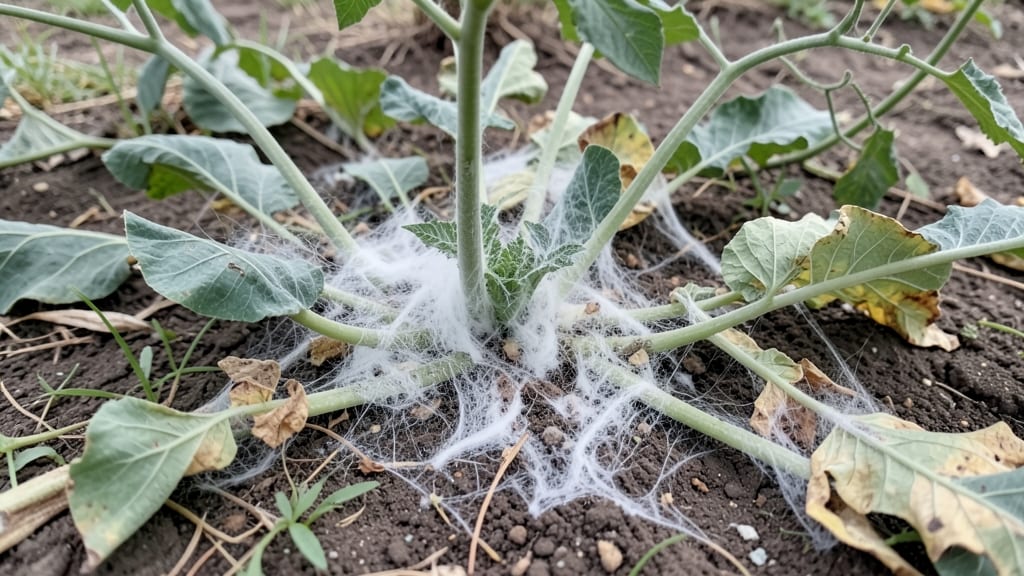
Fungus growing in your garden isn’t just unsightly—it’s a signal your plants are stressed. ✨ I’ve pulled up mushrooms from lawns, spotted powdery mildew on roses, and even found slimy patches under mulch, and I’ll help you ID what’s growing before it spreads.
The key is acting fast, but not panicking—most garden fungi have simple fixes once you know what you’re dealing with.
Most fungus thrives when soil stays too wet, airflow gets blocked, or organic matter piles up. That said, not all fungi are bad—some mushrooms are harmless, while others signal compacted soil or overwatering.
The quickest way to stop the spread? Improve drainage, thin dense foliage, and pull up any suspicious growth before it releases spores. I’ve stopped outbreaks in 24 hours with just a few adjustments.
You’ll learn to distinguish between harmless puffballs and aggressive root rot, plus how to treat each type without harsh chemicals. A little baking soda spray here, some pruning there, and suddenly your garden goes from soggy mess to thriving ecosystem.
The best part? Prevention is easier than cleanup—once you know the warning signs.
Whether you’re dealing with lawn mushrooms, leaf spot, or that musty smell under mulch, this guide keeps it simple. No jargon, just the fast fixes that actually work. Let’s get your garden back to healthy—without the guesswork.
Root Causes Of Garden Fungus
Fungus thrives in gardens like an uninvited guest—often silent until it’s too late. Understanding why it shows up is the first step to stopping it before it ruins your plants. Here’s a breakdown of the most common triggers, explained in simple (but science-backed) terms.
Fungi are water-loving organisms, and too much moisture creates the perfect breeding ground. Here’s how it happens:
- Overwatering: Most gardeners assume "more water = healthier plants," but fungi like Phytophthora and Pythium flourish in soggy soil. Roots deprived of oxygen become stressed, making them vulnerable to fungal infections.
- Poor soil drainage: Clay-heavy or compacted soil holds water like a sponge. If your garden sits in water after rain, fungi spread rapidly. Look for yellowing leaves, wilting stems, or mushrooms popping up after heavy rain—these are red flags.
- Morning dew + dense foliage: Dew clings to leaves, especially in shady or crowded areas, creating a humid microclimate. Fungi like powdery mildew and downy mildew use this moisture to germinate and infect plants within 24–48 hours.
💡 Pro Tip: Test your soil’s drainage by digging a 6-inch hole, filling it with water, and timing how long it takes to drain. If it’s slower than 4–6 hours, amend with compost or sand to improve airflow.
Fungi don’t just appear—they hitchhike on organic matter. Here’s how:
- Leaf litter & mulch buildup: Fallen leaves, grass clippings, and thick mulch create a cozy hideout for fungal spores. Slime molds and mushrooms often sprout in these damp, nutrient-rich piles.
- Infected plant material: Old roots, diseased stems, or even last year’s compost can harbor dormant spores. If you replant in the same spot without sterilizing the soil, fungi recolonize quickly.
- Wildlife & tools: Birds, squirrels, and even your garden tools can spread spores. A single contaminated shovel can transfer rust fungi or blight across your entire garden.
🔥 Action Step: Clear debris at least 12 inches away from plant bases and sterilize tools with a 1:10 bleach-water solution (rinse well after!). For stubborn mulch, opt for cedar or pine straw, which resist moisture better than wood chips.
Fungi are not picky—they just love warm, humid conditions. Here’s the ideal "fungus weather":
| Fungus Type | Temperature Range | Humidity Trigger |
|---|---|---|
| Powdery Mildew | 60–85°F (15–29°C) | High humidity + poor airflow (e.g., greenhouses, dense shrubs) |
| Root Rot (Phytophthora) | 70–85°F (21–29°C) | Soil moisture >70% for >48 hours |
| Mushrooms (Saprophytic) | 50–75°F (10–24°C) | Decaying organic matter + consistent moisture |
✨ Key Insight: Fungi dormant in cold weather but explode in spring/fall when temps hover in the 60–75°F (15–24°C) range. If your garden is shaded or lacks airflow, fungi get a head start.
Healthy plants resist fungi. When they’re stressed, fungi move in like vultures. Common triggers:
- Nitrogen deficiency: Plants low in nitrogen (yellowing leaves, stunted growth) can’t produce enough cutin (a waxy layer that repels fungi). Dollar spot and leaf spot love these conditions.
- Over-fertilization (especially phosphorus): Too much phosphorus encourages root dieback, making plants susceptible to root rot. Always follow the NPK ratio on fertilizer labels.
- Physical damage: Pruning wounds, insect bites, or even hail marks create entry points for fungi. Canker diseases (like Nectria) exploit these openings.
🎯 Prevention Tip: Strengthen plants with balanced fertilizers (10-10-10 or 5-5-5) and compost tea to boost natural defenses. Avoid wounding plants—use sterilized shears and prune in dry, sunny conditions.
Now that you know why fungus crashes your garden party, the next step is identifying the culprit and kicking it out for good. Stay tuned!
Quick Fixes for Garden Fungus
Fungus in your garden isn’t just unsightly—it can weaken plants, spoil harvests, and even spread to other areas if left unchecked. The good news? Most fungal issues are manageable with the right approach.
Below, we’ll break down targeted solutions based on the most common causes, from overwatering to poor air circulation. Each fix includes step-by-step actions and prevention tips to keep your garden thriving long-term.
Cause: Fungus loves damp conditions, and soggy soil or standing water creates the perfect breeding ground. Fix:
- 🔥 Stop Watering Until Soil Dries
- Pause irrigation for 2–3 days to let excess moisture evaporate. Check soil moisture by sticking your finger 1–2 inches deep—if it’s damp, wait longer.
- 🍳 Improve Drainage
- Amend heavy clay soil with compost or sand (50/50 mix) to help water drain faster.
- Raise garden beds or plant in containers if drainage is chronically poor.
- 👨🍳 Redirect Water Away
- Use soaker hoses (instead of overhead sprinklers) to deliver water at soil level.
- Install French drains or gentle slopes to channel water away from fungal hotspots.
💡 Prevention Tip:
- Water early in the morning (before 10 AM) to allow foliage to dry quickly.
- Use mulch (straw or wood chips) to regulate soil moisture—keep it 2–3 inches thick but avoid piling it against plant stems.
Cause: Fungal spores thrive in humid, shaded areas with little airflow (common on roses, tomatoes, and squash). Fix:
- 🔪 Prune Infected Leaves
- Snip off yellowed or spotted leaves with clean pruners and dispose of them in the trash (not compost).
- Sterilize tools with rubbing alcohol (70% or higher) between cuts.
- 🌡️ Boost Airflow
- Thin out dense foliage or space plants farther apart (follow seed packet guidelines).
- Install fan oscillators on a low setting near plants to improve circulation.
- ✨ Apply Fungicide (Natural or Store-Bought)
- DIY Spray: Mix 1 tbsp baking soda + 1 tsp dish soap + 1 gallon water in a spray bottle. Apply every 7–10 days.
- Commercial Option: Use neem oil or copper fungicide (follow label instructions).
🎯 Prevention Tip:
- Choose resistant plant varieties (e.g., ‘Defiant’ phlox for powdery mildew).
- Water leaves sparingly—focus on soil instead of overhead spraying.
Cause: Decaying organic matter (like old mulch or compost) or compacted soil fuels fungal growth underground. Fix:
- 🥘 Remove Affected Plants
- Dig up severely infected plants (especially mushrooms or blackened stems) and compost them separately (in a sealed bin for 3+ months).
- 🔪 Tackle Soil Compaction
- Loosen soil with a garden fork or broadfork to improve oxygen flow.
- Add perlite or vermiculite (1 part to 3 parts soil) to lighten heavy clay.
- 🌿 Replace Mulch Strategically
- Remove old mulch and replace it with cedar chips (naturally fungicidal) or gravel in problem areas.
💡 Prevention Tip:
- Rotate crops annually to prevent fungal buildup in the same soil.
- Test soil pH—fungus often thrives in acidic soil (pH <6.0). Add lime to raise pH if needed.
Cause: Organic debris traps moisture and spores, turning your garden into a fungal buffet. Fix:
- 🍃 Rake & Remove Debris
- Clear away leaves, dead plants, and weeds from beds and lawn edges.
- Bag and trash (don’t compost) heavily infected material.
- 🧼 Sanitize Garden Tools
- Soak pruners and shovels in bleach water (1:10 ratio) for 10 minutes, then rinse and dry.
- 🌿 Solarize Soil (For Stubborn Cases)
- In warm climates, lay clear plastic sheeting over infested soil for 4–6 weeks to bake out spores.
🎯 Prevention Tip:
- Mulch lightly (1–2 inches) and keep it 6+ inches away from plant stems.
- Aerate your lawn in fall to reduce thatch buildup.
Once you’ve tackled the immediate issue, prevent recurrence with these habits:
- 📊 Crop Rotation: Avoid planting the same family (e.g., tomatoes, peppers) in the same spot yearly.
- 💪 Strengthen Plants: Healthy plants resist fungus better—fertilize with compost and avoid over-fertilizing with nitrogen.
- 🥗 Choose Fungus-Resistant Varieties: Look for labels like “powdery mildew resistant” on seed packets.
- 🌡️ Monitor Humidity: Use a hygrometer to keep humidity below 60% in greenhouses or shaded areas.
Remember: Fungus is a sign of imbalance, not a lost cause. With these fixes, your garden can bounce back—and stay fungus-free for seasons to come! 🚀
Frequently asked questions about garden fungus
Are all mushrooms in my garden harmful?
No! Many mushrooms are harmless saprophytes that break down organic matter. Look for white or brown puffballs—they’re safe. But avoid eating wild mushrooms unless you’re an expert. Toxic varieties can resemble edible ones. If mushrooms appear suddenly after rain or near plant roots, they may signal compacted soil or overwatering.
How do I know if my plants have a fungal infection?
Check for these red flags: powdery white coatings (mildew), dark spots with yellow halos (leaf spot), or slimy patches (root rot). Wilting despite moist soil or stunted growth are also clues. Compare symptoms to photos online—many fungal infections have distinct patterns. Act fast if you spot these signs!
Can I use vinegar to kill garden fungus?
Yes, but with caution! Mix 1 part white vinegar to 3 parts water and spray on affected areas. This works best for mild cases on hard surfaces or non-edible plants. Avoid using it on vegetables you’ll eat raw or on acid-sensitive plants like azaleas. Test a small area first—vinegar can alter soil pH over time.
Will fungicides harm beneficial insects?
Some do—especially chemical ones. Opt for targeted solutions like neem oil or copper fungicides, which are less toxic to pollinators. For severe cases, apply fungicides early in the morning when bees are less active. Always follow label instructions and avoid spraying flowers directly to protect beneficial insects.
How long does it take to eliminate fungus from soil?
That depends on the severity. For mild cases, you may see improvement in 1–2 weeks with proper drainage and treatment. Stubborn infections (like root rot) can take 3–6 months to fully resolve. The key is consistency—keep soil dry, improve airflow, and remove infected plant material promptly.