
Pests
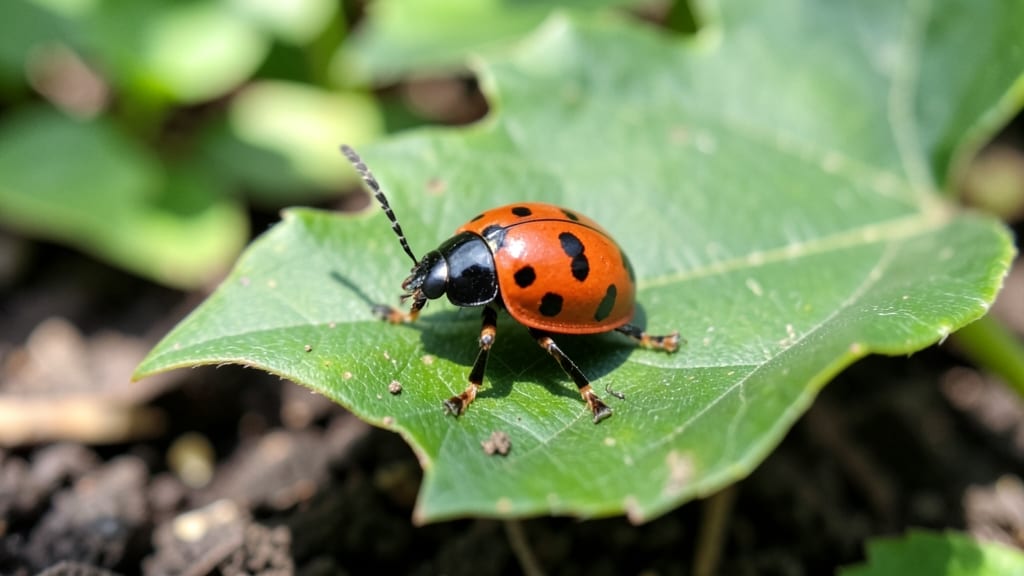
The identification of garden beetles is your first line of defense—spotting these shiny invaders within minutes can save your roses and veggies before they’re stripped bare. 🌿 I've spent years watching them chew through my plants, and now I know the troublemakers at a glance.
The key difference between a harmless ground beetle and a destructive Japanese beetle often comes down to size, color patterns, and what they're eating.
Most damaging beetles share a few traits: they're glossy, metallic, and leave behind skeletonized leaves or chewed stems. Japanese beetles, for example, are coppery-green with white tufts, while Colorado potato beetles are striped orange and black.
Beneficial beetles like ground beetles are usually mottled brown and hunt pests instead of munching your plants. Grab a magnifying glass and a flashlight—you'll spot the clues in seconds.
Once you know who's who, you can act fast. Japanese beetles need handpicking or traps, while Colorado potato beetles respond to neem oil. Ground beetles? Leave them alone—they're your garden's free pest control.
The damage signs are your first warning: look for irregular holes, wilting leaves, or beetles clustered on flowers. That's when you know it's time to intervene.
This isn't about memorizing every species—just the five most common troublemakers in your region. Start with these, and you'll handle 90% of garden beetle problems before they spiral. The rest? Either ignore them or research their specific habits. Quick identification means quick solutions—no more guessing games in your garden.
📚 In This Guide
- What you need
- Instructions
- Tips and common mistakes
- Wrapping up and next steps
What you need
- ● Hand lens or magnifying glass (10x magnification recommended for close-up inspection).
- ● Field guide or smartphone app (e.g., iNaturalist or BugGuide for real-time ID help).
- ● Notebook and pen (to jot down observations like size, color, and damage patterns).
- ● Small containers or jars (with lids, for temporarily holding beetles for closer study—release them afterward!).
- ● Ruler or measuring tape (to record beetle sizes accurately, in inches or millimeters).
- ● Flashlight or headlamp (for evening inspections when beetles are most active).
- ● Camera with macro setting (to snap clear photos for later reference).
- ● Entomology net (for gently capturing beetles without harm).
- ● Field guidebook (e.g., National Audubon Society Field Guide to North American Insects).
- ● UV light trap (to attract nocturnal beetles for easier ID at night).
- ● Gloves (if handling beetles makes you squeamish—though most are harmless!).
Quick guide to identifying common garden beetles
Skip the guesswork—here’s how to spot the most troublesome beetles fast and protect your plants.
🪲 Step 1: Spot the Japanese Beetle (Most Destructive)
The Japanese beetle is the garden’s most notorious pest, with its shiny green and copper body and white tufted tail. You’ll find them in groups feasting on roses, grapes, and beans—chewing irregular holes in leaves. Look for their grub stage too: ½-inch white, C-shaped larvae in lawn soil that turn to brown pupae by summer.
Real talk: If you see just one, check nearby plants. They multiply fast. Their feeding leaves a lace-like pattern—tiny holes connected by silk threads. Snap them into soapy water immediately to stop the spread.
🪲 Step 2: Recognize the Colorado Potato Beetle (Orange and Black Striped)
This beetle has a bright orange body with 10 black stripes and legs that look like tiny orange paddles. Adults lay eggs in clusters on the undersides of leaves, which hatch into yellow-and-black striped larvae that devour potato, tomato, and eggplant foliage in days.
Here’s the thing—these beetles develop resistance to sprays fast. Instead, handpick adults into a bucket of soapy water. Watch for skeletonized leaves (just veins remain) and black, chewed stems—classic signs of their work.
🪲 Step 3: Identify the Ladybug (Beneficial Look-Alike)
Don’t confuse ladybugs with pests! True ladybugs have rounded, domed backs and spotted patterns (usually black with red/orange). They’re tiny (¼-inch) and help control aphids. Their larvae, though, look like alligator-like black-and-yellow monsters—but they’re still your friends.
I know it seems weird, but black ladybugs with yellow spots are actually Asian lady beetles, which can sometimes bite if threatened. Still, they’re harmless to plants. If you see them, leave them be—they’re eating pests for you.
🪲 Step 4: Watch for the Western Corn Rootworm (Subtle but Dangerous)
Adults are yellowish-brown with black spots, about ¼-inch long, and hide in leaf litter during the day. Their larvae, though, are the real problem: ½-inch cream-colored grubs that chew roots of corn, soybeans, and potatoes. Infested plants wilt suddenly, even when soil looks moist.
This is the moment that matters: Check roots after pulling up wilted plants. If you see chewed, sawdust-like frass clinging to roots, you’ve got rootworms. Rotate crops yearly to break their life cycle.
🪲 Step 5: Differentiate the Carpet Beetle (Indoor/Outdoor Pests)
These small (⅛-inch), round beetles with mottled brown and black patterns love stored grains, fabrics, and dried plant material. Their larvae are tan with dark heads and look like tiny, fuzzy worms. You’ll spot them in compost piles, stored seeds, or behind mulch.
Don’t panic if you find a few—they’re not aggressive. But if you see silken tubes in stored grains or chewed holes in dried herbs, vacuum them up immediately. They thrive in dry, warm conditions, so reduce mulch near stored goods.
Tips & tricks for quick garden beetle identification
These quick tips will help you spot beetles faster and protect your garden without the guesswork.
Look for Larvae First: Many beetles do their most damage in their larval stage. For Japanese beetles, check lawn soil for ½-inch white, C-shaped grubs—they turn brown and pupate by summer. Colorado potato beetle larvae are yellow-and-black striped and devour foliage in days, so inspect undersides of leaves where eggs are laid. This early detection saves your plants from severe damage before you even see the adults.
Focus on Damage Patterns: Japanese beetles leave a lace-like pattern with tiny holes connected by silk threads, while Colorado potato beetles create skeletonized leaves where only veins remain. Western corn rootworms cause sudden wilting even when soil appears moist—always check roots for chewed, sawdust-like frass when plants collapse unexpectedly. These visual clues are faster than waiting for beetles to appear.
Use a Soapy Water Trap: For Japanese and Colorado potato beetles, fill a bucket with soapy water and place it near infested plants. The beetles will fall in and drown—no chemicals needed. Check traps daily, especially in the morning when beetles are most active. This method is quick, chemical-free, and works immediately for visible beetles.
Time Your Inspections: Early morning (before 9 AM) is the best time to spot beetles—they're sluggish from overnight coolness. Check plants thoroughly for eggs and larvae during this window. For carpet beetles, inspect stored goods and compost piles in the evening when they're most active. Timing your inspections increases your chances of catching beetles before they cause major damage.
Pro Tips for Garden Beetles Identification
- These quick tips will help you spot beetles faster and protect your garden without the guesswork.
- Look for Larvae First: Many beetles do their most damage in their larval stage.
- Focus on Damage Patterns: Japanese beetles leave a lace-like pattern with tiny holes connected by silk threads, while Colorado potato beetles create skeletonized leaves where only veins remain.
Frequently asked questions
Got questions about those creepy-crawly garden visitors? You’re not alone! Here are some of the most common questions—and answers—to help you navigate beetle identification like a pro.
How do I tell if a beetle is harmful to my garden?
Not all beetles are pests! Japanese beetles and colorado potato beetles chew leaves, while ladybugs and ground beetles are beneficial. Look for visible damage (skeletonized leaves, holes) or signs like larvae (grubs) in soil. When in doubt, snap a photo and compare it to a garden beetle ID guide.
When is the best time to spot and control garden beetles?
Timing matters! Adult beetles are most active in late spring to summer, while larvae (like grubs) thrive in early summer. Check plants early morning when beetles are sluggish. For grubs, dig in the soil around roots—look for white, C-shaped critters. Act fast if you see damage!
What’s the most effective way to get rid of beetles naturally?
Skip the harsh chemicals! Try these eco-friendly fixes:
- Handpick beetles into soapy water (especially Japanese beetles).
- Use neem oil or kaolin clay as a barrier.
- Plant beetle-repelling herbs like basil, mint, or catnip nearby.
- Attract predatory birds with shallow water dishes.
For grubs, apply beneficial nematodes to the soil.
Can beetles actually help my garden?
Many beetles are garden allies. Lady beetles (ladybugs) devour aphids, while ground beetles hunt slugs and caterpillars. Even dung beetles improve soil health. Focus control on destructive species—like Japanese beetles—and let the helpful ones thrive!
What should I do if beetles keep coming back?
Persistent beetles? You’re likely dealing with a life cycle issue. Grubs in the soil become adult beetles in 1–2 years, so repeat treatments (like nematodes or milky spore) may be needed. Improve garden hygiene by removing egg-laying sites (e.g., Colorado potato beetle eggs on leaves) and mulch properly to deter grubs.
Wrapping up and next steps
Identifying garden beetles doesn’t have to be a daunting task—with the right knowledge, you can spot common types like Japanese beetles, June bugs, or lady beetles and take action to protect your plants. 🌱 Whether you’re dealing with damage or simply curious about these tiny garden visitors, understanding their habits and appearances empowers you to make informed decisions for a thriving garden.
Ready to take the next step? Start by monitoring your garden regularly—look for signs like chewed leaves, holes in foliage, or beetles themselves. If pests become an issue, explore natural or chemical solutions tailored to your findings. Happy gardening! 🌿