
Planting
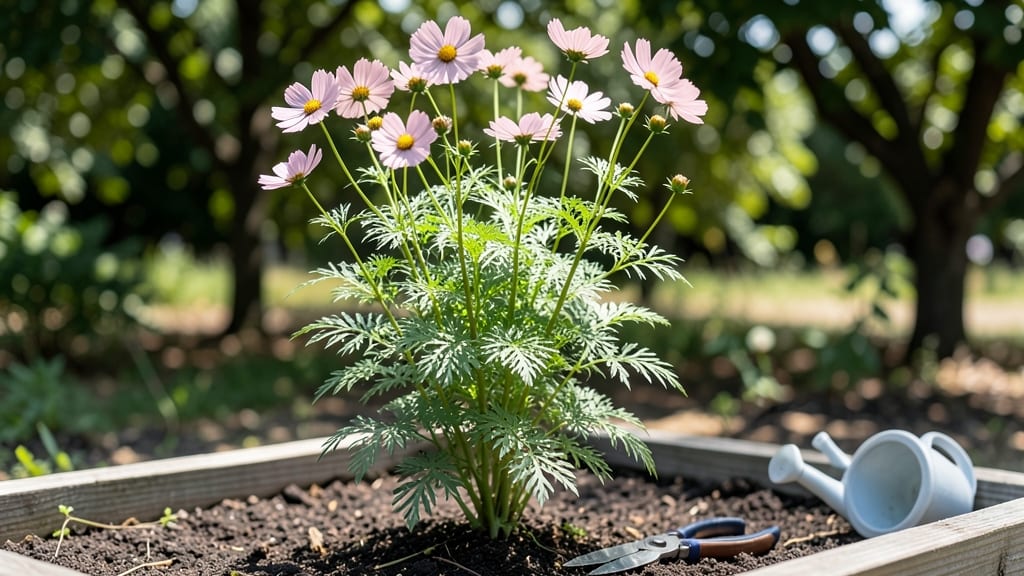
Growing cosmos plants transforms your garden into a nonstop summer parade of daisy-like blooms with almost no effort. 🌻 I’ve watched these effortless annuals self-seed for years, popping up reliably every spring without any fuss from me—just sunlight and good soil.
The secret to their long-lasting beauty isn’t complicated: they thrive in almost any conditions, and deadheading (if you even bother) extends their show well into fall.
Start with seeds sown directly in the ground after your last frost, when soil reaches at least 55°F. Cosmos love full sun but tolerate partial shade, and they’re drought-tolerant once established—just water lightly until they sprout.
The key to their bold, papery blooms is loose, well-draining soil; amending with compost ensures they grow tall and sturdy without flopping over.
By midsummer, you’ll be surrounded by 3- to 4-foot stalks bursting with white, pink, or deep red flowers that attract butterflies all day. The best part? They rarely need deadheading—just snip off spent blooms occasionally to encourage more flowers. Even if you forget, they’ll keep blooming until frost.
Perfect for borders, cutting gardens, or wildflower patches, cosmos pair beautifully with salvias, grasses, and other tall perennials. They self-seed aggressively, so you’ll have free plants next year. Here’s how to make them thrive with almost no work from you.
📚 In This Guide
- What you need
- Instructions
- Tips and common mistakes
- Wrapping up and next steps
What you need
- ● Seeds or seedlings: 1–2 packets of Cosmos bipinnatus seeds (500–1,000 seeds per packet) or
- ● 3–5 healthy seedlings (6–8 inches tall) from a nursery
- ● Well-draining soil: 1–2 cubic yards of garden loam (mix with compost for nutrient-rich soil)
- ○ Optional: 1–2 cups of perlite or coarse sand per square foot (for sandy soil)
- ● Sunlight access: Full sun (6+ hours of direct light daily) or partial shade (4–6 hours)
- ● Watering supplies: Watering can or hose with a gentle spray nozzle
- ○ Drip irrigation kit (optional, for consistent moisture)
- ● Planting tools: Trowel or hand shovel
- ○ Garden gloves (optional, for comfort)
- ○ Fertilizer (optional but helpful): Balanced 10-10-10 granular fertilizer (1 tbsp per plant at planting)
- ● Slow-release organic compost (mix into soil before planting)
- ○ Mulch (optional): 2–3 inches of straw or wood chips (to retain moisture and deter weeds)
- ○ Stakes or cages (optional): 1–2 bamboo stakes or tomato cages per plant (for taller varieties, like ‘Bright Lights’)
Step-by-step instructions for planting and cultivating garden cosmos
Here's how to grow these effortless, sun-loving perennials that reward even the busiest gardener.
🌱 Step 1: Select the Perfect Planting Location
Garden cosmos thrives in full sun, so choose a spot receiving at least 6-8 hours of direct sunlight daily. I always look for areas with well-draining soil—these plants despise soggy roots. If your soil is heavy clay, amend it with 2-3 inches of compost mixed into the top 6 inches before planting.
You'll notice cosmos often self-seed aggressively in sunny, undisturbed areas. This is your clue they're happy! Test your spot by observing how quickly water drains after a rain—if puddles linger for more than an hour, improve drainage before planting.
🌱 Step 2: Prepare Soil and Plant Seeds or Transplants
For direct sowing, scatter seeds ¼ inch deep in early spring after the last frost date. I space mine 12-18 inches apart in rows 18-24 inches apart—closer spacing works for cut flowers, while wider spacing gives plants more room to establish. Water gently but thoroughly after planting to settle the soil.
If using transplants, dig holes twice as wide as the root ball and plant at the same depth they were in their containers. Cosmos roots are delicate, so handle them carefully. Press soil around the base firmly to eliminate air pockets, then water deeply to help roots establish contact with the surrounding soil.
☀️ Step 3: Maintain Consistent Moisture and Light
Keep soil evenly moist but never soggy during the first 4-6 weeks after planting. You'll know moisture is right when the top inch of soil feels slightly damp to the touch. Once established, cosmos becomes remarkably drought-tolerant—water only when the top 2 inches of soil feel completely dry.
These plants are light-demanding. If you notice stems stretching excessively or leaves losing their vibrant green color, your cosmos needs more sunlight. Move plants to a sunnier location or supplement with a grow light for 14-16 hours daily during indoor growing seasons.
✂️ Step 4: Minimal Deadheading for Continuous Blooms
The secret to year-round blooms lies in strategic deadheading. Simply pinch off spent flowers at the base with your fingers or clean pruners. I deadhead every 7-10 days during peak bloom season to encourage new flower production. This prevents the plant from putting energy into seed production.
For even longer blooming periods, cut back entire stems by ⅓ their height after the first flush of flowers fades. You'll often see fresh blooms emerge within 2-3 weeks from new growth. This rejuvenation technique works particularly well for established plants.
🌿 Step 5: Prepare for Winter and Next Season
In colder climates, cosmos typically dies back to the ground in winter. I leave the dead stems in place through winter as natural mulch, which protects the roots and improves soil structure. In spring, simply cut back the dead growth to 2-3 inches above the soil line before new growth emerges.
To encourage self-seeding for next year's garden, allow some flowers to go to seed. The papery seed heads add winter interest to the garden while ensuring a fresh crop of volunteers in spring. Collect seeds from fully mature heads by rubbing them gently in your hand to release the seeds.
Tips & tricks for perfect garden cosmos planting
These practical insights will help you cultivate vibrant, long-blooming cosmos with minimal effort—once you know the secrets.
Sunlight Strategy: While 6-8 hours of sunlight is ideal, I've found that cosmos actually thrives with even more light—up to 10 hours daily—especially in hotter climates. The plants will grow taller and produce more abundant blooms. If your garden has partial shade, place cosmos in the sunniest spot available, even if it means moving them from their original planting location.
Soil Preparation Secret: The 2-3 inches of compost recommendation is non-negotiable for heavy clay soils, but don't stop there. I add a handful of perlite or coarse sand to improve drainage further. This prevents the classic "soggy roots" issue that causes cosmos to wilt unexpectedly. For container growing, use a mix of potting soil and perlite (60/40 ratio) to replicate ideal conditions.
Watering Wisdom: During those first 4-6 weeks, I check soil moisture by lifting a plant gently—if it feels light, it's time to water. The top inch dampness test works, but I've found young plants often need water more frequently than this test suggests. Once established, let the soil dry completely between waterings, but watch for wilting leaves which signal drought stress. In containers, watering every 3-4 days usually works during dry spells.
Deadheading Discipline: That 7-10 day deadheading schedule is perfect, but here's the pro move: use a pair of clean, sharp pruners for larger stems and your fingers for smaller flowers. I always sterilize my tools with rubbing alcohol between plants to prevent disease spread. For maximum blooms, deadhead in the morning when flowers are fully open—this gives the plant the entire day to recover and produce new buds.
Pro Tips for Garden Cosmos Plant
- These practical insights will help you cultivate vibrant, long-blooming cosmos with minimal effort—once you know the secrets.
- Sunlight Strategy: While 6-8 hours of sunlight is ideal, I've found that cosmos actually thrives with even more light—up to 10 hours daily—especially in hotter climates.
- Soil Preparation Secret: The 2-3 inches of compost recommendation is non-negotiable for heavy clay soils, but don't stop there.
Frequently asked questions
Got questions about growing garden cosmos? You’re not alone! Here are answers to the most common queries to help you cultivate stunning, low-maintenance blooms with ease.
When is the best time to plant garden cosmos?
Garden cosmos thrive in spring (after the last frost) or early summer for a fall display. For year-round blooms, sow seeds every 2–3 weeks in warm climates. Direct-sow or transplant seedlings—just avoid freezing temps!
How often should I water garden cosmos?
Keep soil consistently moist (not soggy) for young plants, then reduce watering once established. Cosmos are drought-tolerant! Water deeply 1–2 times per week, or when the top inch of soil feels dry. Overwatering can cause root rot.
Do I really need to deadhead cosmos for continuous blooms?
Not strictly! While deadheading (removing spent blooms) encourages more flowers, cosmos often self-seed and rebloom without it. If you want nonstop color, snip faded flowers regularly—but skip this step if you prefer a wild, natural look.
What pests or diseases should I watch for with garden cosmos?
Cosmos are generally pest-resistant, but keep an eye out for aphids or Japanese beetles. Remove affected leaves promptly. Fungal issues (like powdery mildew) may appear in humid climates—improve airflow and avoid overhead watering to prevent them.
Can I grow garden cosmos in containers or small spaces?
Cosmos thrive in containers, window boxes, or small gardens—just use well-draining soil and a pot at least 6–8 inches deep. Dwarf varieties (like ‘Sensation Mix’) are perfect for tight spaces. Rotate pots occasionally for even sunlight exposure.
Wrapping up and next steps
Growing garden cosmos is a rewarding experience—these cheerful blooms bring effortless beauty to your space with minimal fuss! 🌸 Whether you’re a seasoned gardener or a beginner, their resilience and vibrant colors make them a must-have for year-round interest.
Deadheading just a few times ensures continuous blooms, so grab your shears and enjoy the show!
Ready to dive in? Start by selecting your favorite cosmos varieties and follow the simple steps above to transform your garden into a blooming paradise. Happy planting! 🌱