
Landscaping
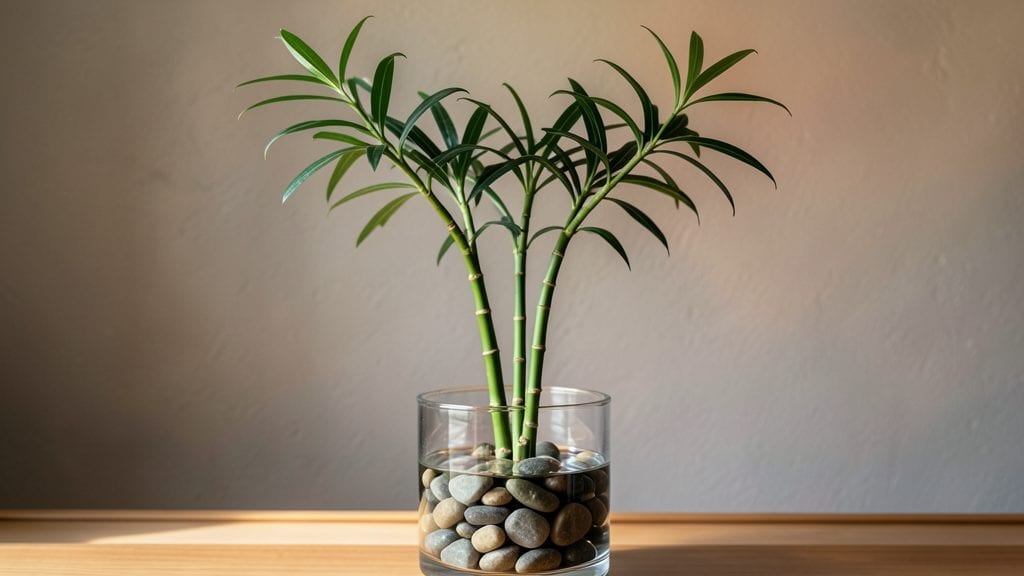
This garden design bamboo solution offers year-round privacy without fences or panels. Bamboo makes it happen—fast-growing, lush, and effortlessly elegant. 🌿 I’ve designed gardens where bamboo transforms bare spaces into serene retreats, all while keeping nosy neighbors at bay.
The key is choosing the right varieties and spacing them just right.
Clumping bamboo stays put (no running roots to invade your lawn), while running types create dramatic, dense screens—perfect for modern or traditional styles. Pair it with hostas for shade or lavender for fragrance, and you’ve got a low-maintenance masterpiece.
Most varieties grow 3-6 feet per year, so privacy arrives faster than you’d expect.
Imagine stepping into your backyard and feeling instantly cocooned by vibrant green walls that sway in the breeze. The best part? Bamboo thrives on neglect—just water it deeply once a week and watch it flourish. You’ll never need to paint or repair another privacy screen again.
Works in urban backyards, rural borders, or even as a striking vertical accent. Let’s turn your property line into a living, breathing sanctuary—without the upkeep of traditional fencing.
📚 In This Guide
- What you need
- Instructions
- Tips and common mistakes
- Wrapping up and next steps
What you need
- ● Bamboo plants: Choose clumping bamboo (non-invasive) like Bambusa multiplex or Fargesia robusta. Plan for 8–12 plants per 10-foot section (spaced 2–3 feet apart). Buy from nurseries or online retailers.
- ● Soil amendments: Compost (5–10 lbs per plant)
- ● Organic mulch (e.g., pine bark or wood chips, 2–3 inches)
- ○ Support structures (optional but recommended): Bamboo stakes or wooden posts (6–8 feet tall, spaced every 4–5 feet)
- ● Twine or landscape fabric (for tying plants to stakes)
- ● Shovel or spade (for digging holes 12–18 inches deep)
- ● Garden trowel (for finer adjustments)
- ● Measuring tape (to ensure even spacing)
- ● Pruners (for trimming roots or stems as needed)
- ● Wheelbarrow (to haul soil/mulch)
- ● Gloves (to protect your hands from sharp bamboo edges)
- ● Location: Choose a spot with partial shade to full sun (depending on bamboo variety) and well-draining soil. Avoid low-lying areas where water pools.
- ● Spacing: Measure your desired screen height and width. Bamboo grows 2–3 feet per year, so plan for future growth!
- ● Permits (if applicable): Check local regulations—some areas restrict running bamboo (invasive types). Stick to clumping varieties to avoid headaches. 🚫🌱
Step-by-step instructions for designing a natural bamboo privacy screen
Here’s how to create a lush, low-maintenance screen that grows with your garden.
🌱 Step 1: Select and Prepare the Bamboo Variety
Choose clumping bamboo (like Fargesia or Borinda)—it stays contained and won’t spread aggressively. Avoid running varieties unless you want a wild, invasive look. I always source plants from a reputable nursery to ensure disease-free, vigorous starts. Dig a hole twice as wide as the root ball but only as deep as the container it came in—bamboo roots spread horizontally, not deep.
Amend the native soil with 2-3 inches of compost mixed into the top 12 inches of the hole. Bamboo thrives in moist, fertile soil, but it won’t tolerate soggy conditions. If your soil drains poorly, add a 1-inch layer of coarse sand at the bottom of the hole to improve aeration. Tap the plant gently from its container to loosen roots before placing it in the hole.
🪴 Step 2: Plant in a Curved or Linear Formation
For a natural, organic look, arrange plants in a gentle curve rather than a straight line. Space them 3-5 feet apart, depending on the mature width of your bamboo variety. I like to stagger the rows slightly—this creates a denser screen faster by filling gaps naturally. Dig the hole, then water it deeply before placing the plant to settle the soil and eliminate air pockets.
Backfill with the amended soil, pressing lightly around the base to remove gaps. Water again until the soil is evenly moist to a depth of 6 inches. Mulch the area with 2-3 inches of shredded bark to retain moisture and suppress weeds. Avoid piling mulch against the stems—keep it 3-4 inches away to prevent rot.
☀️ Step 3: Provide Optimal Light and Water
Bamboo grows best in partial shade to full sun, but varieties like Fargesia prefer morning sun and afternoon shade in hot climates. If planting in full sun, ensure the soil stays consistently moist—dry spells cause leaf scorch. I water deeply 2-3 times per week during the first growing season, then taper to once a week once established, depending on rainfall.
Check soil moisture by sticking your finger 2 inches deep—if it feels dry, water until moisture reaches 6 inches down. Avoid overhead watering, which can spread fungal diseases. Instead, use a soaker hose or drip irrigation at the base. Fertilize lightly in spring with a balanced 10-10-10 formula to encourage lush growth without excessive height.
✂️ Step 4: Prune for Density and Shape
Prune in early spring before new growth starts. Remove dead or yellowing canes at the base with clean, sharp pruners. Thin out 10-15% of the oldest canes annually to encourage new, vigorous growth. I also trim back any canes that lean outward to maintain a neat, upright screen. Never cut more than one-third of the plant in a single season—this stresses bamboo and slows recovery.
Shape the screen by selectively pruning taller canes to create a tapered effect at the top. This mimics natural wind pruning and adds texture. Wear gloves—bamboo leaves can be sharp! After pruning, water deeply to help the plant recover. Over time, your screen will develop a tight, impenetrable barrier while still allowing light and air to filter through.
⏰ Step 5: Maintain Year-Round for Long-Term Health
In winter, protect tender varieties with a light layer of mulch (3-4 inches) to insulate roots from freezing. Most clumping bamboo survives down to 10°F, but a thick mulch layer prevents heaving. Water sparingly in winter—only enough to keep the soil from drying out completely. Prune out any damaged canes in late winter to encourage fresh growth in spring.
Watch for bamboo borers or rust fungus—common issues that weaken plants. Treat borers with neem oil and rust with a copper fungicide if spotted early. With proper care, your bamboo screen will thrive for decades, offering year-round privacy with minimal effort. The key is consistency: water deeply, prune annually, and avoid over-fertilizing—this keeps bamboo lush without encouraging rampant growth.
Tips & tricks for perfect garden design with bamboo
Real talk: Bamboo privacy screens are one of the most rewarding garden projects you can undertake—but only if you follow these key principles. Here's what nobody tells you about creating a lush, natural barrier that actually thrives.
Selection Tip: When choosing your clumping bamboo varieties like Fargesia or Borinda, inspect the root ball carefully for any signs of disease or pests before bringing them home. I've learned this the hard way after introducing infected plants that spread to my entire garden. Look for vibrant green leaves and firm, white roots—these are your telltale signs of healthy starts. Also, consider the mature height and spread of each variety; some Fargesia varieties only reach 6-8 feet while others can grow to 12 feet or more.
Planting Strategy: The curved formation mentioned in Step 2 isn't just for aesthetics—it creates a natural windbreak that helps the plants establish faster. I recommend starting with 3-5 plants in a gentle arc, then adding more as they fill in. This staggered approach prevents gaps from forming as the bamboo matures. Pro tip: Mark your planting locations with stakes before digging—this helps you visualize the final screen shape and ensures proper spacing from day one.
Soil Preparation: Don't skip the soil amendment step, especially if you have heavy clay or sandy soil. The 2-3 inches of compost mixed into the top 12 inches creates an ideal growing environment that bamboo loves. For particularly dense soils, I add a handful of mycorrhizal fungi to the planting hole—this beneficial soil organism helps roots absorb nutrients more efficiently. Remember, bamboo roots spread horizontally, so focus on creating a rich top layer rather than digging deep.
Winter Protection: That 10°F temperature threshold is crucial for most clumping bamboo varieties, but don't rely solely on the plant's hardiness. The 3-4 inch mulch layer in winter is your best defense against temperature fluctuations that can cause heaving. I've seen bamboo plants survive down to 10°F with proper mulching, while unprotected plants in the same zone suffered frost damage. Use shredded leaves or straw rather than wood chips for winter mulch—they break down more slowly and provide better insulation.
Pro Tips for Garden Design Bamboo
- Real talk: Bamboo privacy screens are one of the most rewarding garden projects you can undertake—but only if you follow these key principles.
- Selection Tip: When choosing your clumping bamboo varieties like Fargesia or Borinda, inspect the root ball carefully for any signs of disease or pests before bringing them home.
- Planting Strategy: The curved formation mentioned in Step 2 isn't just for aesthetics—it creates a natural windbreak that helps the plants establish faster.
Frequently asked questions
Got questions about using bamboo for garden design?
You’re not alone! Here are some of the most common concerns—and their easy solutions—to help you create a stunning, low-maintenance privacy screen.
What’s the best type of bamboo for a privacy screen?
Clumping bamboo (like Bambusa multiplex or Fargesia species) is ideal—it stays contained, won’t spread aggressively, and thrives in most climates. Avoid running bamboo (e.g., Phyllostachys) unless you’re prepared for root barriers and regular pruning. Pro tip: Check your hardiness zone to pick a variety that flourishes year-round!
How tall and close should I plant bamboo for a solid screen?
For a dense, 6–8-foot-tall screen, space clumping bamboo 3–5 feet apart in rows 4–6 feet apart. If you want faster privacy, plant 18–24 inches apart and prune regularly. Running bamboo should be spaced 6–8 feet apart with a buried root barrier to prevent spreading.
How long does it take for bamboo to grow into a privacy screen?
Clumping bamboo grows 1–2 feet per year, so expect a 6-foot screen in 3–5 years with minimal care. Running bamboo grows faster (3+ feet/year) but requires more upkeep. Speed up growth by planting in spring, watering deeply weekly, and using a slow-release fertilizer.
What if bamboo spreads where I don’t want it?
Clumping bamboo rarely spreads, but running bamboo can be invasive. Prevent unwanted growth with:
- A 30-inch-deep buried root barrier (HDPE plastic or corrugated metal).
- Regular pruning of underground shoots (rhizomes) in early spring.
- Planting away from property lines or water sources.
Are there non-bamboo alternatives for a natural privacy screen?
Yes! Consider:
- Evergreen shrubs (e.g., Holly, Boxwood, or Arborvitae) for structured, low-maintenance screens.
- Fast-growing trees like Leyland Cypress or Green Giant Arborvitae (10+ feet tall in 5–10 years).
- Native plants (e.g., Eastern Red Cedar) for eco-friendly, drought-resistant options.
- Living walls or Trellis-covered vines (e.g., Wisteria or Clematis) for a softer look.
Will bamboo survive winter in cold climates?
Most clumping bamboo (e.g., Fargesia) tolerates USDA zones 5–9 with mulch and winter protection (wrap trunks in burlap or use straw mulch). Running bamboo (e.g., Phyllostachys aureosulcata) handles zones 5–10 but may need snow cover to insulate roots. Pro tip: Water deeply before frost and avoid pruning in late fall!
Wrapping up and next steps
Designing your garden with bamboo isn’t just about adding beauty—it’s about creating a functional, sustainable, and ever-evolving space that thrives with minimal effort. Whether you’re aiming for lush privacy screens, natural windbreaks, or a Zen-inspired retreat, bamboo’s versatility and resilience make it a winner for year-round appeal. 🌿
Ready to transform your outdoor space? Start small—pick a corner, gather your supplies, and let your creativity grow! Your dream garden is just a shoot away.
- Next step: Sketch a simple design or browse bamboo varieties to find your perfect match!