
Pests and Diseases
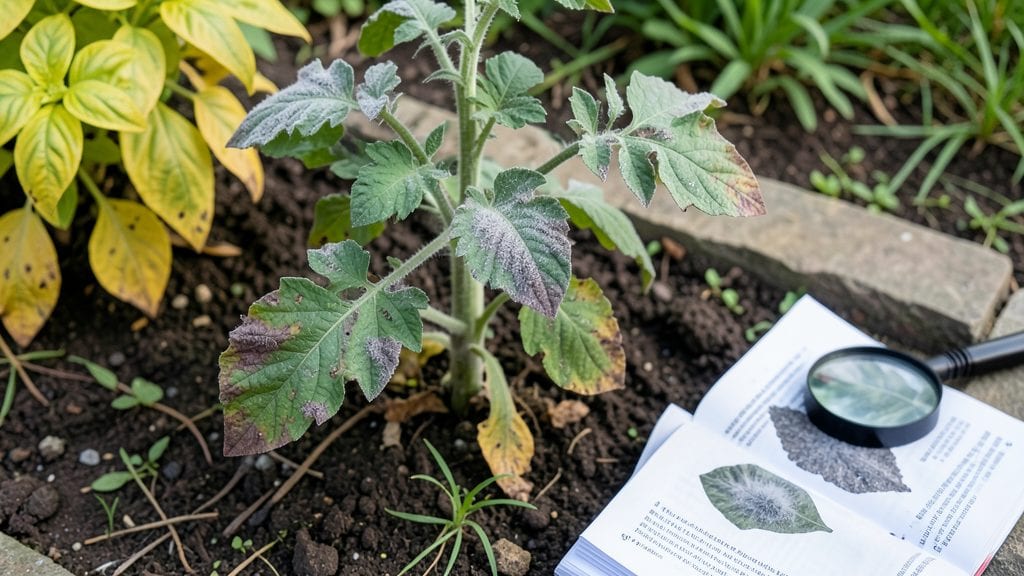
Mastering garden fungus identification is key—because that white powder on your roses isn’t flour, it’s powdery mildew, and spotting it early saves your plants. I’ve spent years watching fungus turn lush gardens into sad, spotted messes, but these quick visual checks let me stop outbreaks before they spread.
The key is spotting the right colors, textures, and growth patterns before they take over.
Most garden fungi leave obvious clues: powdery mildew looks like dust, rust forms orange pustules, and blight causes dark, greasy spots. Check the undersides of leaves first—fungus loves hiding there.
A hand lens or even a magnifying glass helps confirm what your eyes might miss, like fuzzy mold or tiny spores. And always wear gloves; some spores can irritate skin.
Once you identify it, act fast. Prune infected leaves, improve airflow, and water at the base—not overhead. For stubborn cases, a simple baking soda spray (1 teaspoon per quart of water) can buy you time. The goal isn’t just to treat it but to break the cycle before next season.
This works for any garden—veggie patches, flower beds, or even houseplants. The faster you spot it, the easier it is to control. Let’s get those plants back to thriving in no time.
Root Causes Of Fungal Growth
Fungi in your garden aren’t just random bad luck—they thrive because of specific conditions that create the perfect environment for their growth. Understanding these triggers helps you tackle the problem at its source.
Let’s break down the key reasons why fungi take over your plants, from damp soil to poor air circulation.
Fungi love water—it’s their lifeblood. Many garden fungi, like powdery mildew or root rot, rely on prolonged dampness to spread. Here’s why moisture becomes a problem:
- Overwatering: When soil stays soggy for days, fungal spores germinate and multiply. Roots suffocate, and pathogens like Phytophthora (a water mold) move in. - Poor Drainage: Compacted or clay-heavy soil traps water, creating anaerobic zones where fungi thrive.
Even "well-draining" mixes can fail if they lack organic matter or have a thick thatch layer. - Morning Dew & Leaf Wetness: Fungi such as downy mildew need just 6–12 hours of leaf surface moisture to infect plants.
Dense foliage (like tomatoes or roses) traps dew, accelerating spread. - Irrigation Practices: Overhead watering (especially at night) soaks leaves, while drip irrigation keeps soil moist without promoting fungal leaf diseases.
Actionable Fix: ✅ Test your soil’s drainage—dig a hole, fill it with water, and time how long it takes to drain. If it’s slower than 4 hours, amend with compost or sand. ✅ Water deeply but less often, aiming for 1 inch per week (adjust for climate). Use soaker hoses or drip systems to avoid wetting foliage. ✅ Space plants properly to improve airflow and reduce humidity pockets.
Fungi don’t just need water—they also crave still, humid air. When airflow is restricted, spores linger and infect plants more easily.
- Dense Planting: Crowded gardens trap moisture and limit sunlight penetration, creating a fungal paradise. Think of it like a sauna for pathogens. - Shady or Low-Light Areas: Fungi often dominate in shady spots where plants grow slowly and stay damp.
Examples? Slime molds on mulch or gray mold (Botrytis) on flowers. - Plastic Mulches & Greenhouses: While these retain heat, they also increase humidity and trap spores against plant surfaces. A classic setup for powdery mildew outbreaks.
Actionable Fix: ✅ Prune plants to open up airflow, especially in borders and containers. ✅ Avoid planting too closely—follow spacing guidelines (e.g., tomatoes need 18–24 inches apart). ✅ Use shade cloth in greenhouses to reduce humidity spikes, and ventilate daily. ✅ Opt for organic mulches (straw, wood chips) that allow airflow, rather than plastic or thick layers of bark.
Healthy plants resist fungi better than stressed ones. When plants are compromised, fungi exploit the opportunity.
- Nutrient Deficiencies: Lack of phosphorus or potassium weakens cell walls, making plants more susceptible to infections like rust or leaf spot. - Physical Damage: Wounds from harsh pruning, hail, or insect bites (e.g., aphids) create entry points for fungi. - Environmental Stress: Extreme heat, cold snaps, or sudden drought shock plants, lowering their resistance.
Fungi like Verticillium wilt target stressed plants aggressively. - Poor Soil Health: Low microbial diversity (from over-sterilized soil or chemical fertilizers) disrupts the natural balance, allowing harmful fungi to dominate.
Actionable Fix: ✅ Feed plants with balanced fertilizers (look for NPK ratios like 5-10-10 for flowering plants). ✅ Mulch with compost to boost soil microbes and improve plant resilience. ✅ Avoid over-pruning—remove only dead/diseased branches, and sterilize tools with rubbing alcohol between cuts. ✅ Harden off seedlings gradually to prevent transplant shock, which weakens defenses.
Fungi feed on decaying matter, so piles of leaves, old mulch, or plant waste become breeding grounds.
- Leaf Litter & Thatched Mulch: Thick layers of dead leaves or straw smother soil, trapping moisture and fungi like slime molds or mushrooms. - Infected Plant Material: Leaving diseased leaves or roots in the soil spreads spores.
Example? Black spot on roses overwinters in fallen leaves. - Wood Chips & Bark: While great for mulch, untreated wood chips can harbor Armillaria root rot if they’re from infected trees.
Actionable Fix: ✅ Remove and dispose of infected plant debris—do not compost diseased material (bag it and trash it). ✅ Keep mulch 2–3 inches deep and pull it back from stems to prevent moisture buildup. ✅ Rotate crops annually to starve soil-borne fungi (e.g., don’t plant tomatoes in the same spot where you had blight last year).
Some fungi only activate in specific temperature ranges, while others thrive year-round in mild climates.
- Cool, Wet Springs/Falls: Ideal for downy mildew and rust fungi, which spread rapidly when nights dip into the 50s–60s°F.
- Hot, Humid Summers: Perfect for powdery mildew and gray mold, which love 75–85°F with high humidity.
- Winter Survival: Some fungi (sclerotia or mycelium networks) overwinter in soil, ready to pounce when conditions improve.
Actionable Fix: ✅ Monitor weather forecasts—fungi often flare up after rainy periods or dew-heavy mornings. ✅ Use row covers in spring/fall to reduce humidity on leaves. ✅ Plant resistant varieties (e.g., ‘Blaze’ tomato for mildew resistance) if fungi are a recurring issue.
Even well-meaning gardeners accidentally introduce or spread fungi.
- Contaminated Tools: Pruners, shovels, or gloves can transfer spores from infected plants to healthy ones.
- Reusing Infected Compost: Composting diseased plants can recycle spores back into your garden.
- Buying Infected Plants: Nursery stock with hidden fungal infections (like Phytophthora on roots) can introduce problems.
- Poor Sanitation: Walking through wet gardens with damp shoes or tools spreads spores like a fungal snowball.
Actionable Fix: ✅ Sterilize tools with 10% bleach solution or rubbing alcohol between uses. ✅ Inspect new plants for signs of fungi (yellowing, spots, mold) before bringing them home. ✅ Wear clean gloves when handling plants, especially after working in infected areas.
Quick Fixes for Common Fungus Foes
Fungus in your garden doesn’t have to mean the end of your green oasis—with the right approach, you can tackle it head-on and restore your plants to their former glory.
Below, we’ve mapped out practical solutions for the most common garden fungi, along with prevention tips to keep them from returning. Think of this as your go-to guide for diagnosing, treating, and protecting your garden.
Cause: Erysiphe or Sphaerotheca fungi thrive in humid, shaded conditions, leaving a white, powdery coating on leaves.
How to Treat It: ✅ 🔥 Remove Infected Foliage – Snip off heavily affected leaves and dispose of them in the trash (not compost). This stops the fungus from spreading. ✅ 👨🍳 Spray with Baking Soda Mix – Combine 1 tsp baking soda, 1 quart water, and a drop of dish soap (as a surfactant). Spray leaves every 7–10 days until symptoms fade. Why it works: Baking soda raises the leaf pH, making it inhospitable for fungi. ✅ 🌡️ Improve Air Circulation – Prune overcrowded plants and space them out to reduce humidity. Use a fan on hot days to dry leaves faster.
💡 Prevention Tip: Choose resistant plant varieties (like mildew-resistant roses or zucchini) and water in the morning so foliage dries quickly.
Cause: Alternaria, Septoria, or Cercospora create dark, circular spots that enlarge and kill leaf tissue, often in wet conditions.
How to Treat It: ✅ ⏰ Prune & Destroy Debris – Remove and burn or trash infected leaves immediately. Fungal spores linger in dead plant matter. ✅ 🍳 Copper Fungicide Spray – Use an organic copper-based fungicide (like Bordeaux mixture) every 10–14 days during wet seasons. Why it works: Copper disrupts fungal cell walls. ✅ 🌧️ Adjust Watering Habits – Water at the base (not overhead) and avoid late-day watering to prevent prolonged leaf wetness.
💡 Prevention Tip: Mulch with straw or wood chips to reduce soil splashes that spread spores. Rotate crops annually to prevent buildup.
Cause: Phytophthora or Pythium fungi thrive in overwatered, poorly drained soil, causing roots to turn brown, mushy, and rotten.
How to Treat It: ✅ 🔪 Dig Out & Disinfect – Remove the plant, scrub tools with rubbing alcohol, and replace contaminated soil with fresh, well-draining mix. ✅ 🌱 Repot in Sterile Medium – Use a cactus/succulent mix (sandy, gritty) or add perlite/vermiculite to improve drainage. Avoid peat-heavy soils. ✅ 💧 Adjust Watering Routine – Let the top 1–2 inches of soil dry out between waterings. Use terra cotta pots (they wick away moisture faster).
💡 Prevention Tip: Test your soil’s drainage—if water pools after 30 minutes, amend with compost or sand. Avoid over-potting (too-small containers trap moisture).
Cause: Botrytis cinerea thrives in cool, damp conditions, creating fuzzy gray mold on flowers, stems, and fruit.
How to Treat It: ✅ 🔪 Prune & Sterilize – Cut off all infected parts (including stems) and sterilize shears with bleach (1:9 bleach-water ratio) between cuts. ✅ 🌡️ Increase Airflow – Space plants wider apart and remove lower leaves to improve ventilation. ✅ 🍳 Hydrogen Peroxide Spray – Mix 1 tbsp 3% hydrogen peroxide per quart of water and spray every 5–7 days. Why it works: It acts as a mild disinfectant.
💡 Prevention Tip: Pick flowers/fruit promptly before they overripe. Avoid mulching too close to stems—keep it 2–3 inches away.
Cause: Puccinia fungi create orange, pustule-like spots on leaves, weakening plants over time.
How to Treat It: ✅ 🔪 Remove & Dispose – Snip off rusty leaves and bag them (don’t compost). Rust spores can survive in soil. ✅ 🍳 Neem Oil Spray – Mix 1 tbsp neem oil + 1 tsp mild soap per quart of water. Spray every 7 days until new growth appears. Why it works: Neem disrupts fungal spores. ✅ 🌡️ Boost Sunlight – Rust loves shade. Thin out dense foliage to let sunlight penetrate.
💡 Prevention Tip: Rotate crops—rust fungi often target the same plant families (e.g., roses, beans, tomatoes). Clean up garden debris in fall.
No matter the fungus, these habits keep it at bay:
- 🌱 Choose resistant varieties (check seed packets for fungus-resistant tags).
- 💧 Water deeply but infrequently (early morning is best).
- 🌿 Mulch properly (2–3 inches of organic mulch, but not touching stems).
- 🧼 Sterilize tools between plants (bleach or rubbing alcohol).
- 🌡️ Improve airflow (prune, space plants, avoid overcrowding).
Final Thought: Fungus is manageable—act fast, clean up thoroughly, and adjust care habits to outsmart it. Your garden’s health is in your hands! 🌱💪
Frequently asked questions
What’s the easiest way to tell if I have fungus in my garden?
Look for unusual textures or colors on leaves, stems, or soil. Fungi often appear as powdery white coatings (mildew), orange pustules (rust), dark greasy spots (blight), or mushrooms emerging from mulch. Check the undersides of leaves first—many fungi hide there. A hand lens helps spot fuzzy growth or tiny spores you might miss with your eyes.
Can I use a microscope to identify garden fungus?
Yes! A basic handheld microscope (10x–40x magnification) can reveal key details like spore shape or hyphal structure, which narrow down the type. For example, powdery mildew spores look like tiny golf balls, while rust spores appear as orange, powdery clusters. If you don’t have a microscope, compare your findings to online guides or apps like iNaturalist for visual matches.
Why does fungus keep coming back even after I treat it?
Fungi often return because their spores survive in soil, mulch, or plant debris. If you don’t remove infected material (especially from last season) or improve growing conditions, spores reinfect plants. Focus on preventing moisture buildup, sterilizing tools, and rotating crops to break the cycle. Some stubborn fungi need multiple treatments over weeks.
Is it safe to compost plant material with fungus?
No—never compost diseased plants with visible fungus. Spores survive the process and reinfect your garden. Instead, bag and trash infected leaves, stems, or roots. For mushrooms or slime molds in mulch, remove them entirely and replace the mulch layer. Only compost healthy plant waste or well-rotted wood chips.
How do I know if my fungus is harmful or just harmless?
Harmless fungi (like mushrooms or slime molds) usually don’t cause damage—they’re just decomposers. Harmful fungi spread rapidly, discolor leaves, or kill plant tissue. Look for yellowing, wilting, or spots that worsen over time. If you’re unsure, take photos and compare them to extension service guides or post in gardening forums for expert opinions.