
Pests
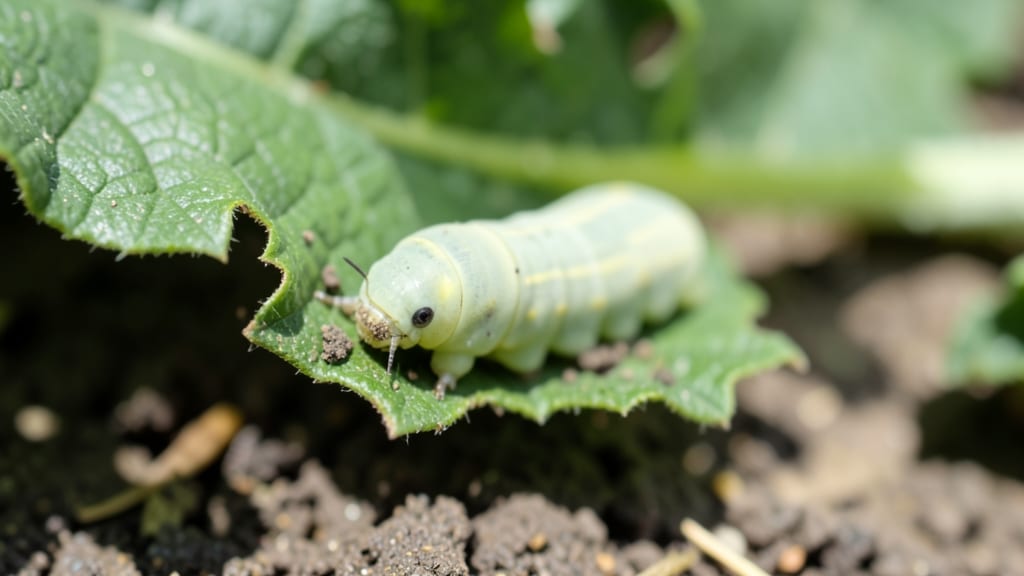
Garden insects that eat leaves turn your hard work into a buffet overnight—unless you know how to stop them. I’ve watched caterpillars skeletonize my roses and Japanese beetles chew through tomato leaves in hours, but these natural deterrents actually work without harsh chemicals.
The key is acting fast before the damage gets out of hand.
Most leaf-munchers like slugs, beetles, and loopers thrive when gardens lack balance. They target stressed plants, overcrowded beds, or areas with standing water. My biggest breakthrough? A mix of physical barriers (copper tape for slugs, row covers for beetles) and plant allies (marigolds, basil, or dill) that confuse pests naturally.
Even my black thumb can’t mess this up.
You’ll see the difference within a week: fewer ragged edges on leaves, more pollinators visiting, and plants that stay healthy instead of struggling. The best part? These methods protect both your veggies and ornamental plants without harming the ecosystem. Let’s get those pests under control—without the guilt of sprays.
Works for containers, raised beds, and in-ground gardens alike. The secret isn’t fancy tools—it’s knowing which insects to watch for and how to outsmart them before they strike. Here’s how to spot them early and stop the damage fast.
The Hidden Triggers Behind Leaf Munching
When your garden’s lush green leaves start disappearing, it’s not just bad luck—it’s a deliberate feast by hungry insects. But why do these critters suddenly turn your plants into their personal salad bar?
The answer lies in a mix of survival instincts, environmental cues, and plant chemistry. Let’s break down the real reasons your garden is becoming an all-you-can-eat buffet for leaf-eaters.
Some plants are basically fast-food joints for insects. Leaf-chewers like caterpillars, beetles, and aphids are drawn to plants that are:
- Nutrient-rich: Fast-growing, soft leaves (like those on basil, cabbage, or roses) are packed with proteins and sugars, making them irresistible. Think of it like a steak vs. a celery stick—some plants are just more appetizing.
- Stressed or damaged: When plants are drought-stressed, nutrient-deficient, or recovering from disease, their chemical defenses weaken. Insects can smell the vulnerability—some species even release pheromones to signal, “Hey, this plant is an easy snack!”
- Young or tender: New growth is more digestible and less protected by tough fibers. That’s why you’ll often see skeletonized leaves on brand-new shoots.
💡 Pro Tip: Rotate crops and avoid over-fertilizing with nitrogen (which makes leaves soft and sweet). A balanced diet for your plants = fewer buffet invitations for pests.
Insects don’t just eat leaves—they time their meals like a chef planning a seasonal menu. Temperature, humidity, and rainfall directly influence their appetites:
| Season | Why Insects Strike | Peak Activity |
|---|---|---|
| Spring | Warmth triggers egg hatching and larval growth. Many species (like cabbage worms) emerge just as plants are sprouting—perfect timing! | April–June |
| Summer | High temps and dry conditions stress plants, making them more attractive. Plus, insects reproduce faster in heat. | June–August |
| Fall | Cooler weather slows growth, but insects stock up before winter. Some (like Japanese beetles) target late-season crops like grapes and roses. | September–October |
🌡️ Climate Connection: Humid summers? Fungal diseases weaken plants, making them easier targets. Drought? Some insects (like spider mites) thrive in dry conditions because their prey is already struggling.
You might not realize it, but your gardening habits could be rolling out the welcome mat for leaf-eaters. Here’s how:
- Monoculture plantings: Growing the same crop (like a giant tomato patch) creates a feast or famine scenario. Insects flock to the easy pickings. Diversity = confusion for pests.
- Overwatering: Soggy soil attracts slugs and soft-bodied insects like aphids. It also washes away natural predators (like ground beetles) that would otherwise keep leaf-chewers in check.
- Pesticide overuse: Harsh chemicals can kill beneficial insects (ladybugs, lacewings) that eat pests. Without their help, leaf-munchers take over.
- Poor sanitation: Leaving fallen leaves, plant debris, or old mulch gives insects hiding spots and breeding grounds. Some (like squash bugs) overwinter in leaf litter.
🔥 Action Step: Swap chemical sprays for neem oil or insecticidal soap—they’re tough on pests but safe for pollinators and predators.
Plants aren’t passive victims—they fight back with chemical signals. But sometimes, these defenses fail:
- Volatile organic compounds (VOCs): When leaves are damaged, plants release smelly chemicals to attract predators (like parasitic wasps) that eat the pests. But if the plant is already weak (from disease or poor soil), it can’t produce enough of these signals.
- Tannins and toxins: Some plants (like oak or walnut) produce bitter compounds to deter herbivores. But if the plant is starved for nutrients, it can’t maintain these defenses.
- Microbial messages: Healthy soil teems with microbes that help plants ward off attackers. But compacted or chemically treated soil disrupts this communication.
🌱 Boost Plant Immunity: Amend soil with compost or mycorrhizal fungi to strengthen plants’ natural defenses. Think of it like giving your garden a vitamin shot.
How to Fix Leaf-Munching Pests
Now that you know which insects are feasting on your garden, it’s time to take action! The good news? You don’t need harsh chemicals to keep them in check.
With a mix of natural deterrents, cultural fixes, and targeted interventions, you can protect your plants while keeping your garden thriving. Below, we’ll break down solutions by the most common culprits—plus prevention tips to stop future invasions.
Cause: These shiny green-and-gold invaders skeletonize leaves in days. Fix:
- Handpick & Drown 🔪: Fill a bucket with soapy water and shake beetles off plants into it. Do this in the early morning when they’re sluggish.
- Neem Oil Spray 🌿: Mix 2 tbsp neem oil with 1 tsp mild soap and 1 quart of water. Spray leaves thoroughly every 3–4 days. Reapply after rain.
- Milky Spore Treatment 💪: Apply milky spore powder to lawns (where beetles pupate) in early summer. It’s organic and long-lasting—just follow package instructions.
Prevention Tip: 🌡️ Plant trap crops like roses, grapes, or marigolds far from your veggies to lure beetles away.
Cause: Chewing caterpillars turn leaves into lace overnight. Fix:
- Bacillus Thuringiensis (Bt) Spray 💊: This microbial spray is safe for humans and pets but deadly to caterpillars. Reapply after rain.
- Row Covers 🛡️: Lightweight fabric barriers (like floating row covers) smother eggs and block adult moths. Secure edges tightly!
- Hand Removal 👨🍳: Drop caterpillars into soapy water or relocate them far from your garden (they’ll pupate elsewhere).
Prevention Tip: ✨ Encourage predators like parasitic wasps and birds by planting dill, fennel, or parsley nearby.
Cause: These slimy pests leave shiny trails and irregular holes. Fix:
- Beer Traps 🍺: Bury a shallow dish filled with beer at soil level. Slugs crawl in and drown—empty and refill every few days.
- Copper Barriers ⚡: Wrap copper tape around pots or raised beds. The mild electric shock deters slugs (no harm to plants!).
- Diatomaceous Earth (DE) 💎: Sprinkle food-grade DE around plants. It’s non-toxic but deadly to slugs’ soft bodies. Reapply after watering.
Prevention Tip: 🌗 Water in the morning (not evening) to let soil dry faster—slugs hate dry conditions!
Cause: Tiny clusters of aphids or hopping insects cause stippling and curling. Fix:
- Insecticidal Soap 🧼: Mix 1 tbsp potassium soap with 1 quart of water. Spray directly on pests (avoid blooming plants). Test on a small leaf first.
- Hose Them Off 💦: A strong spray of water dislodges aphids and leafhoppers. Do this in the early morning for best results.
- Ladybugs & Lacewings 🐞: Release beneficial insects (available at garden centers) or plant alyssum, dill, or yarrow to attract them naturally.
Prevention Tip: 🌿 Interplant with herbs like basil or mint—aphids dislike their strong scents!
Even after pests are gone, strong plants resist attacks better.
Try these proactive steps: - Rotate Crops 🔄: Avoid planting the same family (e.g., tomatoes, peppers) in the same spot yearly. - Healthy Soil = Strong Plants 🌱: Add compost and worm castings to boost plant resilience. - Prune & Clean Up 🧹: Remove fallen leaves, debris, and egg masses regularly to break pest life cycles.
If pests keep coming back despite your efforts, consider:
- Pheromone Traps 🎯 (for specific beetles/moths).
- Professional Pest Control (if dealing with severe infestations like gypsy moths).
With these targeted, chemical-free strategies, your garden can bounce back faster than the pests can eat! 🚀
Frequently asked questions
How do I tell the difference between caterpillars and beetles eating my leaves?
Caterpillars leave irregular holes or skeletonized leaves (veins remain intact), while beetles create clean, jagged edges like someone used scissors. Look for chewed leaves near green-and-gold beetles or hairy caterpillars—both are common culprits.
Will neem oil harm my plants if I use it too often?
Neem oil is safe when used correctly, but apply it every 3–4 days max during outbreaks. Avoid spraying when plants are blooming (it can interfere with pollinators). Always mix it with 1 tsp mild soap per quart to help it stick to leaves.
Why do slugs only attack my plants at night?
Slugs are nocturnal because they dry out quickly in sunlight. Their slimy bodies need moisture, so they feed under cover of darkness. Set up beer traps or copper barriers at dusk for best results—these pests are most active then!
Can I use diatomaceous earth on edible plants?
Yes! Food-grade diatomaceous earth (DE) is safe for veggies and herbs once settled. Sprinkle it lightly around plants (not directly on leaves) and water lightly to activate. Reapply after rain—it loses effectiveness when wet.
What’s the fastest way to stop an aphid infestation?
Spray aphids directly with a strong stream of water in the morning, then introduce ladybugs or lacewings. For stubborn clusters, use insecticidal soap (1 tbsp per quart of water). Repeat every 3–5 days until gone.