
Companion Plants
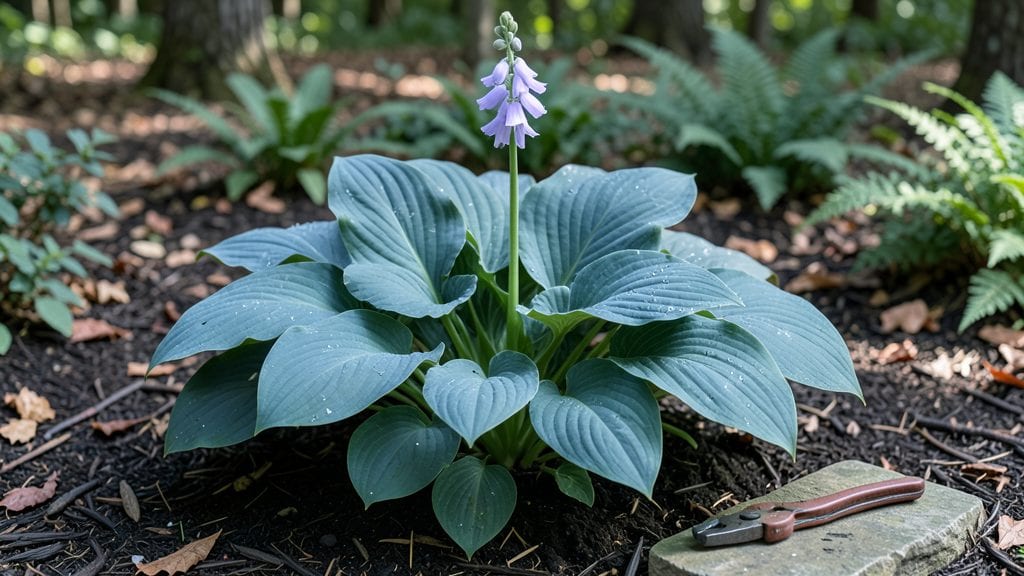
Bringing live plants into your garden isn’t just about planting—it’s about creating a thriving ecosystem where every plant supports the next. 🌱 I’ve learned that the right pairings can double your harvest, deter pests naturally, and turn a good garden into a spectacular one.
The secret lies in understanding which plants grow better together and how to give them the best start.
Start with healthy, disease-free plants from reputable nurseries or your own well-maintained stock. When transplanting, choose a cloudy day or late afternoon to avoid stressing the roots, and water thoroughly before and after moving them.
Acclimatize container-grown plants by gradually exposing them to outdoor conditions over a week, especially if they’ve been indoors. This simple step saves countless wilting plants in my own garden.
Once established, you’ll notice faster growth, stronger stems, and more abundant blooms or vegetables. Marigolds near tomatoes repel pests, basil beside peppers boosts flavor, and nasturtiums act as a living mulch while attracting pollinators. The right companions turn your garden into a self-sustaining powerhouse—no chemicals needed.
This works for flowers, herbs, vegetables, and even shrubs, so you can apply these principles no matter your garden’s size or style. Let’s get your plants paired up for success!
📚 In This Guide
- What you need
- Instructions
- Tips and common mistakes
- Wrapping up and next steps
What you need
- ● Live Plants: 3–5 companion plant pairs (e.g., basil + tomatoes, marigolds + cucumbers, or nasturtiums + squash). Check your climate zone!
- ● 1–2 herbaceous perennials (e.g., chives, mint, or oregano) for long-term benefits.
- ● Soil & Fertilizers: 1–2 bags of high-quality potting mix or compost (1 cubic yard per 100 sq. ft.).
- ● Organic compost or worm castings (1–2 gallons per plant).
- ● Balanced liquid fertilizer (e.g., fish emulsion or seaweed extract, 1–2 tbsp per gallon of water).
- ● Gardening Tools: 1 hand trowel (for transplanting seedlings).
- ● 1 pruning shears (for trimming and harvesting).
- ● 1 watering can or hose with a gentle spray nozzle (to avoid damaging plants).
- ● 1 garden gloves (to protect your hands from thorns or soil).
- ● Mulch (e.g., straw or wood chips) to retain moisture and suppress weeds.
- ● Plant markers (to label companion pairs and track growth).
- ● A pH testing kit (to ensure soil is optimal for your plants, ideally 6.0–7.0).
- ● Beneficial insects (e.g., ladybugs or lacewings) to deter pests naturally.
- ● Shade cloth (if planting in hot climates to protect delicate companions).
Instructions: planting and maintaining thriving companion plant pairings
Here's how to create a harmonious garden layout that boosts growth and deters pests.
🌱 Step 1: Select and Prepare Your Planting Sites
Start by choosing a location with at least 6 hours of sunlight daily—most companion pairings thrive under full sun. I like to sketch a rough layout first, marking where each plant will go based on their mature sizes. For example, tall plants like sunflowers or corn should go on the north side of shorter varieties to avoid shading.
Loosen the soil to a depth of 12 inches using a garden fork, breaking up any compacted layers. This ensures roots can spread easily and access nutrients. Amend the soil with 2-3 inches of compost mixed into the top layer—this improves drainage and provides essential microbes for healthy root development.
🌿 Step 2: Plant Complementary Species Together
Begin with your largest or most sun-dependent plants first. For instance, if you're pairing tomatoes with basil, plant the tomato seedlings 18-24 inches apart in rows spaced 3 feet apart. Then, place basil seedlings 6-12 inches apart around the tomato plants—this encourages their growth while repelling pests like whiteflies.
For root crops like carrots and onions, interplant them in a checkerboard pattern. Carrots need loose soil, so avoid disturbing their rows once planted. Onions, with their shallower roots, can be tucked between the carrots without competition. Water gently after planting to settle the soil and remove any air pockets around the roots.
💧 Step 3: Water and Mulch for Optimal Growth
Water deeply right after planting to help roots establish, then maintain 1-1.5 inches of water per week, either from rainfall or irrigation. I prefer drip irrigation for companion plantings because it delivers water directly to the roots without wetting the foliage—this reduces disease risk and ensures even moisture distribution.
Apply a 2-3 inch layer of organic mulch around each plant, keeping it 2 inches away from stems to prevent rot. Mulch retains soil moisture, suppresses weeds, and regulates temperature. For heat-loving plants like peppers and tomatoes, use straw or grass clippings. For cooler climates, shredded leaves or wood chips work better.
☀️ Step 4: Monitor and Maintain Plant Health
Check your companion pairings weekly for signs of stress or pests. Healthy plants will show vibrant foliage and steady growth. For example, marigolds planted near tomatoes should stay pest-free and continue blooming—if they wilt or stop flowering, it’s a sign of overwatering or nutrient deficiency.
Fertilize lightly every 4-6 weeks with a balanced organic fertilizer, like fish emulsion or compost tea. Avoid heavy nitrogen feeds, which can encourage leafy growth at the expense of flowers or fruit. Prune any overcrowded or diseased foliage immediately to prevent spread—this keeps your companion plants thriving and productive.
✂️ Step 5: Harvest and Encourage Regrowth
Harvest regularly to stimulate production. For instance, when you pick basil leaves, pinch off the top set of leaves to encourage bushier growth. With root crops like carrots, harvest when they reach the desired size—leaving them too long can make them woody and tough.
After harvesting, replenish nutrients by adding a fresh layer of compost around the base of your plants. This supports continuous growth and ensures your companion pairings remain productive throughout the season. Rotate crops next year to prevent soil depletion and break pest cycles.
Tips & tricks for perfect companion plantings
These garden-tested strategies will help you maximize your companion plant pairings and create a thriving, pest-resistant garden ecosystem.
Sunlight Strategy: When selecting your planting site, prioritize locations that receive at least 6 hours of direct sunlight daily—this is non-negotiable for most companion pairings. I've found that south-facing areas often get the most consistent sun exposure. If your garden has limited sunlight, consider pairing shade-tolerant plants like lettuce with taller sun-loving varieties to make the most of available light.
Soil Preparation Secret: The 12-inch deep soil loosening in Step 1 is crucial for root development, but don't stop there. I like to add a handful of mycorrhizal fungi to the compost mix—these beneficial microbes form symbiotic relationships with plant roots, significantly improving nutrient uptake. This extra step makes a noticeable difference in plant vigor, especially for heavy feeders like tomatoes and peppers.
Watering Wisdom: The 1-1.5 inches of water per week guideline works well, but timing matters just as much. I've learned that watering in the early morning (before 9 AM) minimizes evaporation and reduces fungal diseases. For container gardens, use self-watering pots to maintain consistent moisture—this is particularly helpful for drought-sensitive plants like basil and cilantro that thrive in companion plantings.
Pest Prevention Pro Tip: While mulching is essential, I've discovered that adding a 1-inch layer of diatomaceous earth around the base of plants (optional but highly effective) creates a natural pest barrier. This works especially well for root crops like carrots and onions that are prone to insect damage. The mulch still provides all the moisture retention benefits while the diatomaceous earth deters pests without chemicals.
Pro Tips for Garden Live Plants
- These garden-tested strategies will help you maximize your companion plant pairings and create a thriving, pest-resistant garden ecosystem.
- Sunlight Strategy: When selecting your planting site, prioritize locations that receive at least 6 hours of direct sunlight daily—this is non-negotiable for most companion pairings.
- Soil Preparation Secret: The 12-inch deep soil loosening in Step 1 is crucial for root development, but don't stop there.
Frequently asked questions
Got questions about pairing live plants in your garden?
You’re not alone! Here are some common queries—and expert answers—to help you create the perfect thriving ecosystem.
What are the best beginner-friendly companion plant pairs for live plants?
Start with classic combos like basil + tomatoes (pest control + flavor boost) or marigolds + herbs (natural repellent + low-maintenance). These pairs are forgiving, easy to manage, and yield great results without requiring a green thumb. For live plants, opt for slow-growing perennials like lavender + rosemary—they thrive together and attract pollinators!
How long does it take to see benefits from companion planting?
Some benefits, like pest deterrence, appear within weeks (e.g., nasturtiums repelling aphids). Others, like improved soil health or flavor enhancement, may take 1-2 growing seasons to fully manifest. For live plants, focus on long-term harmony—pairing perennials like comfrey + fruit trees can take 2-3 years to show peak synergy.
Can I use companion planting in small spaces or containers?
Container gardening is perfect for live plants like dwarf citrus + thyme or peppers + chives. Use self-watering pots and ensure roots have room to intertwine. For vertical gardens, try strawberries + lettuce in hanging planters—they share nutrients efficiently and maximize tiny spaces.
What do I do if pests still attack my companion plants?
First, identify the pest (e.g., slugs vs. spider mites). If issues persist, rotate plants or add a third companion (e.g., garlic + roses + borage for multi-layered protection). For stubborn problems, introduce beneficial insects like ladybugs or use neem oil—always test on a small area first!
Do companion plants need the same sunlight/water as their partners?
Mostly, yes—but not always. For example, sun-loving tomatoes pair well with partial-shade basil, while drought-tolerant lavender thrives alongside water-loving mint (just keep them in separate containers!). Research each plant’s needs and group them accordingly. Mulch can help balance moisture differences in the soil.
Wrapping up and next steps
Transforming your garden into a thriving ecosystem with live plants isn’t just rewarding—it’s easier than you think! 🌱 By harnessing the power of companion planting, you’ll boost yields, deter pests, and create a harmonious space that’s both beautiful and productive.
Whether you’re a seasoned gardener or just starting out, these pairings offer a natural, low-maintenance way to grow healthier, happier plants.
Ready to take the next step? Start small—pick one or two pairings from this guide and experiment in a corner of your garden. Track your progress, adjust as needed, and soon, you’ll be reaping the benefits of a symbiotic garden paradise! 🌿✨