
Pests
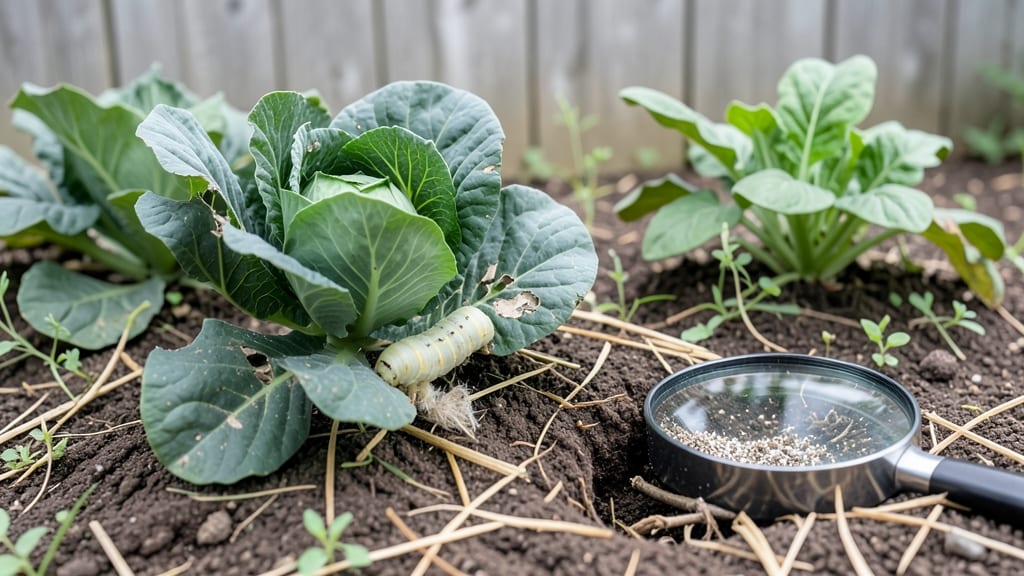
Garden pests in soil turn your hard work into a buffet for tiny invaders. 🌱 I’ve watched grubs munch through tomato roots and nematodes turn healthy plants into wilting skeletons—until I learned how to build natural barriers that keep pests out for good.
The key isn’t just treating symptoms but fixing the soil itself. Healthy soil with proper drainage, balanced nutrients, and beneficial microbes creates an environment where pests struggle to survive. Think of it like fortifying your garden’s immune system—strong soil repels invaders before they become a problem.
You’ll learn to spot early warning signs (like chewed leaves or slug trails) and use simple, effective fixes like neem oil, diatomaceous earth, or even a layer of coarse sand to block grubs. The best part? These methods work without harsh chemicals, so your plants—and your conscience—stay happy.
Whether you’re dealing with grubs, nematodes, or fungal pressure, these strategies adapt to any garden size or soil type. Let’s get your soil back in fighting shape—naturally.
Root Causes of Soil Pests
Understanding why garden pests invade your soil is the first step to preventing them. These tiny troublemakers don’t just appear out of nowhere—they’re drawn to specific conditions that make your garden an all-you-can-eat buffet.
Let’s break down the science behind their behavior and why your soil might be sending out a "Welcome!" sign.
Healthy soil is a balanced ecosystem where beneficial microbes, fungi, and organisms outcompete pests. But when soil health declines, pests move in like uninvited guests at a party.
- Lack of Organic Matter: Soil rich in decomposed plant material (humus) supports diverse microbial life, which naturally suppresses pests.
When organic matter is low, pests like nematodes, grubs, and fungus gnats thrive because they find it easier to feed and reproduce. - Compacted Soil: Heavy foot traffic, machinery, or clay-heavy soil can compact the earth, reducing oxygen and water flow.
This stress weakens plant roots, making them more vulnerable to root-feeding pests like cutworms or wireworms. - Imbalanced pH: Most garden pests prefer slightly acidic to neutral soil (pH 6.0–7.0).
If your soil is too alkaline (high pH) or acidic (low pH), it can disrupt beneficial organisms while encouraging pests that tolerate extreme conditions, such as certain beetles or slugs.
Pro Tip: 💡 Test your soil’s pH and organic content annually. Amend with compost or sulfur (for high pH) to restore balance—pests hate an unfriendly environment!
Water is essential, but too much of it creates the perfect damp, dark conditions that many soil-dwelling pests adore.
- Excess Moisture: Pests like slugs, snails, and fungus gnats love soggy soil because it provides easy access to food (decaying matter) and shelter.
Overwatering also weakens plant roots, making them easier targets for root maggots and wireworms. - Poor Drainage: Standing water doesn’t just drown plants—it creates anaerobic (oxygen-poor) zones where harmful bacteria and pests flourish.
For example, root-knot nematodes thrive in waterlogged conditions, attacking plant roots and stunting growth. - Irrigation Practices: Drip irrigation or overhead watering that keeps soil consistently wet can signal to pests that your garden is a reliable food source.
Unlike beneficial insects, many pests don’t need dry periods to survive.
Pro Tip: 🌡️ Water deeply but infrequently, and ensure your garden has proper drainage. Raised beds or mulch can help regulate moisture levels while keeping pests at bay.
Planting the same crops year after year might seem efficient, but it’s a pest’s dream come true.
- Lack of Biodiversity: Monoculture gardens provide a steady food source for pests that specialize in one type of plant. For example, cabbage worms target brassicas, while Japanese beetles favor roses and grapes.
When pests find a favorite, they stick around—and multiply. - Weakened Plant Defenses: Plants grown in isolation don’t develop the same natural defenses as those in diverse ecosystems.
Companion planting (e.g., marigolds repelling nematodes) disrupts pest life cycles by confusing their feeding patterns. - Accumulated Pests: Soil-borne pests like aphids or whiteflies lay eggs in the same spot year after year. If you don’t rotate crops or introduce new plants, their populations explode.
Pro Tip: ✨ Practice crop rotation and interplanting. For example, follow tomatoes (which attract hornworms) with beans or lettuce, which pests avoid. Diversity disrupts pest life cycles!
Sometimes, well-meaning gardening habits create pest-friendly conditions.
- Improper Composting: Compost piles that are too wet or lack oxygen can become breeding grounds for fungus gnats, slugs, and even rodents.
Pests are drawn to the easy nutrients and shelter. - Using Chemical Fertilizers: Synthetic fertilizers can disrupt soil microbial life, creating a vacuum that pests fill.
They also encourage rapid, weak plant growth that’s more susceptible to attacks. - Bringing in Contaminated Soil or Plants: Pests like nematodes or soil-borne diseases can hitch a ride on nursery plants, mulch, or even tools. If you’re not careful, you might unknowingly introduce an infestation.
Pro Tip: 🔥 Sterilize tools between gardens, source plants from reputable nurseries, and use organic fertilizers to support soil health—pests won’t stick around when the ecosystem is balanced.
Pests are opportunistic, and changing weather patterns can tip the scales in their favor.
- Warmer Winters: Many soil pests, like cutworms or grubs, survive winter in dormant stages.
Milder winters mean they wake up earlier, giving them more time to reproduce before your plants even sprout. - Higher Humidity: Humid conditions slow down the decomposition of organic matter, creating a longer-lasting food source for pests.
Fungus gnats, for instance, thrive in damp, humid soil. - Extreme Weather: Drought-stressed plants are more vulnerable to pests because their weakened defenses make them easier targets. Conversely, heavy rains can wash away beneficial microbes, leaving pests to dominate.
Pro Tip: 🎯 Monitor local weather patterns and adjust your gardening practices accordingly. For example, use row covers in early spring to protect seedlings from emerging pests, or mulch to regulate soil temperature and moisture.
Quick Fixes for Common Soil Pests
Soil pests can turn your lush garden into a battleground, but the good news is that many solutions are simple, natural, and effective. Below, we’ve mapped the most common culprits to their fixes—plus prevention tips to keep your soil healthy long-term.
Cause: Grubs (from beetles like Japanese beetles or June bugs) munch on roots, leading to weak or dying plants. Fix:
- Handpick & Destroy: 🔥 Dig up affected areas at dusk (when grubs are near the surface) and drop them in soapy water.
- Beneficial Nematodes: 🍳 Apply Heterorhabditis bacteriophora nematodes (sold at garden centers) to the soil—they infect and kill grubs naturally.
- Neem Oil Spray: 👨🍳 Mix 1 tbsp neem oil with 1 quart water + a drop of dish soap. Spray soil and plant bases weekly.
- Milky Spore Treatment: ⏰ A long-term fix, this bacteria (Bacillus popilliae) targets Japanese beetle grubs. Sprinkle on soil in early spring.
Prevention: ✨ Avoid overwatering—grubs thrive in soggy soil. ✨ Plant grubs-resistant crops like marigolds, thyme, or garlic nearby.
Cause: Ants tunnel through soil, disturbing roots and sometimes bringing aphids into your garden. Fix:
- Diatomaceous Earth (DE): 🔪 Sprinkle food-grade DE around plants and ant trails. Reapply after rain.
- Cinnamon Barrier: 🥘 Create a 2-inch ring of ground cinnamon around plant bases—ants avoid it.
- Vinegar Spray: 🍳 Mix 1:1 vinegar and water, spray directly on ant trails (reapply after rain).
- Bait Stations: 🎯 Use borax or sugar-based baits (placed away from plants) to lure ants away.
Prevention: 💡 Keep mulch dry—ants love moisture. 💡 Seal entry points in pots or garden beds with copper tape.
Cause: These pests leave slimy trails and chew holes in seedlings, often hiding in moist soil. Fix:
- Copper Tape Barrier: 🔪 Wrap copper tape around raised beds or containers—slugs get a mild electric shock.
- Beer Traps: 🍺 Bury a shallow dish filled with beer at soil level. Slugs crawl in and drown.
- Crushed Eggshells: 🥚 Sprinkle around plants—the sharp edges deter slugs.
- Duck or Chicken Patrol: 🐔 Let poultry roam your garden; they love slugs for breakfast!
Prevention: 🌡️ Water in the morning—slugs are less active in dry conditions. 🌡️ Remove hiding spots like thick mulch or boards.
Cause: These wire-like larvae gnaw through seeds and roots, stunting plant growth. Fix:
- Chicken Manure: 💩 Sprinkle aged chicken manure on soil—wireworms avoid it.
- Row Covers: 🛡️ Use fine mesh covers over seed beds to block adult beetles (which lay eggs).
- Mustard Seed Barrier: 🌱 Plant mustard greens around vulnerable crops—they repel wireworms.
- Encourage Predators: 🦋 Attract ground beetles and birds with diverse plantings.
Prevention: ✨ Rotate crops yearly to disrupt wireworm life cycles. ✨ Avoid fresh manure—it attracts wireworms.
Cause: Excess moisture and organic debris create ideal conditions for fungal pests that strangle roots. Fix: - Improve Drainage: 💦 Amend soil with compost and perlite to prevent waterlogging. - Baking Soda Spray: 🍳 Mix 1 tbsp baking soda + 1 quart water + a drop of soap.
Spray soil lightly. - Compost Tea: 🌱 Brew aerobically and apply to soil to introduce beneficial microbes. - Remove Infested Plants: 🗑️ Pull and dispose of affected plants to stop spread.
Prevention: 💡 Space plants properly for airflow. 💡 Avoid overhead watering—water at the base instead.
No matter the pest, healthy soil is your best defense.
Try these universal fixes: - Compost Tea: 🌱 Brew and apply to soil to strengthen plant roots. - Diverse Plantings: 🌿 Mix flowers, herbs, and veggies to confuse pests. - Regular Tilling (Lightly): 🔄 Loosen soil occasionally to disrupt pest habitats (but avoid over-tilling).
Pro Tip: 🔥 Test your soil every 2–3 years to check pH and nutrient levels—balanced soil repels pests naturally! Use a simple home test kit or send a sample to a local extension office.
Frequently asked questions
How do I know if my soil has pests before plants show signs?
Look for subtle clues like tiny holes in the soil surface, chewed plant roots when uprooting, or wilting plants despite proper watering. Check for slimy trails (slugs), mounds of fine soil (ants), or wire-like larvae in damp areas. A soil sample test at your local extension office can also reveal hidden grubs or nematodes before damage appears.
Can I use coffee grounds to repel soil pests?
Yes! Coffee grounds deter slugs, ants, and some grubs due to their strong scent and acidity. Sprinkle used grounds around plant bases or mix into compost piles. However, use sparingly—too much can lower soil pH over time. For grubs, combine with diatomaceous earth for better results.
What’s the fastest way to stop grubs from destroying my lawn?
For immediate results, handpick grubs at dusk (they’re near the surface) and drop them in soapy water. Apply milky spore bacteria (Bacillus popilliae) for long-term control—it targets Japanese beetle grubs specifically. For general grubs, beneficial nematodes (Heterorhabditis bacteriophora) work within 48 hours when watered into the soil.
Will companion planting really keep pests away?
Strategic pairings disrupt pest life cycles. For example, marigolds repel nematodes, basil deters thrips, and garlic wards off grubs. The key is diversity—mix flowers, herbs, and veggies to confuse pests. Avoid monoculture (like rows of tomatoes), which invites specialized pests like hornworms.
How often should I reapply natural pest barriers like diatomaceous earth?
Reapply every 3–7 days or after rain, as effectiveness fades when wet. For long-term protection, mix it into the top 1 inch of soil before planting. Pair it with a light mulch layer to preserve its drying power—pests like slugs and ants avoid the abrasive texture. Store in a dry place to maintain potency.