
Blooming
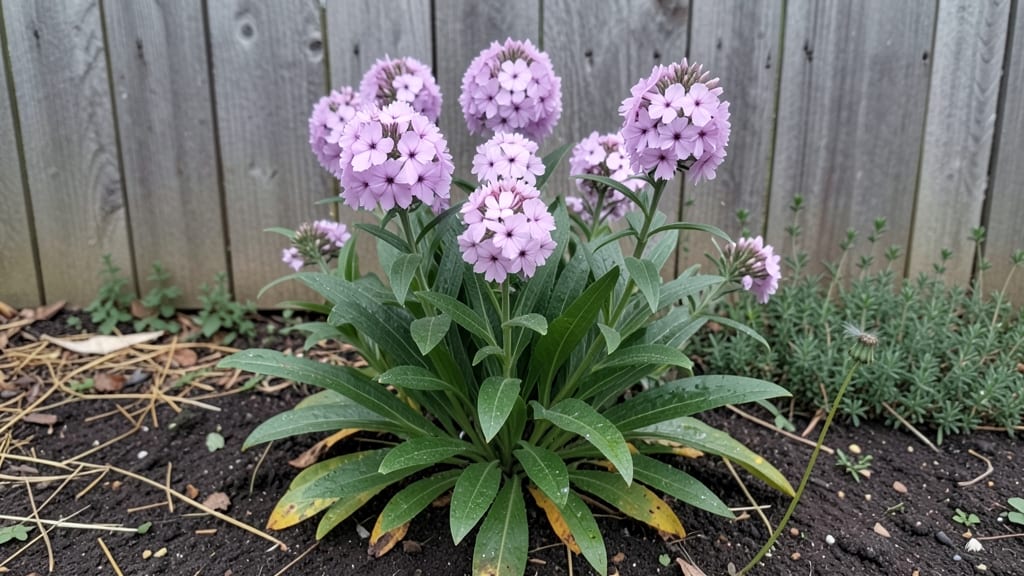
The garden phlox bloom time stretches from late spring through summer, with peak color arriving just as your garden needs the most cheer.
If you’re dreaming of a garden bursting with vibrant blooms, timing is everything—and garden phlox delivers some of the most stunning color displays when planted and cared for correctly.
In Zone 6, expect those fragrant clusters to appear around May or June, but cooler zones like 4 or 5 may see them a little later, while warmer climates like 7 or 8 could push blooms into early summer.
Here’s how to make your phlox show its best face all season long—from variety choices to care tricks that keep those blooms coming.
When do garden phlox bloom? Exact months by variety type
Timing your garden phlox planting is key to unlocking those show-stopping blooms that last for weeks. Unlike some flowers that bloom just once, garden phlox often rebloom with proper care, giving you extended color displays from early summer through fall.
But the exact months depend heavily on your USDA zone and the specific phlox variety you’ve chosen.
For gardeners in USDA zones 3-5, cooler climates often push bloom times slightly later, while zones 6-9 enjoy earlier and longer displays. Tall garden phlox typically blooms first, followed by intermediate and dwarf varieties.
Understanding these patterns helps you plan companion plants and create a sequential bloom garden that stays vibrant all season.
Here’s the breakdown you’ve been waiting for—exact bloom months by phlox type, including regional adjustments for cooler northern gardens and warmer southern climates.
| Variety Type | Primary Bloom Months (Zones 3-5) | Primary Bloom Months (Zones 6-9) | Rebloom Potential | Climate Notes |
|---|---|---|---|---|
| Tall Garden Phlox (e.g., 'David') | Late June - Early August | Mid-June - Mid-September | Moderate (with deadheading) | Early bloomers; thrive in cooler summers |
| Intermediate Phlox (e.g., 'Lipstick') | Early July - Late August | Late June - October | High (prolonged care) | Heat-tolerant; extends season in south |
| Dwarf Phlox (e.g., 'Blue Paradise') | Mid-July - September | Late July - November | Excellent (longest season) | Late bloomers; ideal for fall color |
| Creeping Phlox (Groundcover) | April - May | March - June | Single bloom cycle | Early spring beauty; short-lived blooms |
If you’re in USDA zone 3, expect your tall phlox to bloom 2-3 weeks later than in zone 9. For example, what blooms in mid-June in Georgia might not appear until late June or early July in Minnesota.
Conversely, gardeners in zone 9 or 10 can enjoy extended fall blooms if they provide afternoon shade during peak summer heat.
Another pro tip: Planting time matters. If you’re in a cooler climate, sow seeds or transplant phlox in early spring (April-May) to give roots time to establish before summer. In warmer zones, opt for fall planting (September-October) to avoid summer stress and encourage earlier blooms next year.
For reblooming varieties, deadheading spent blooms is non-negotiable. I’ve found that cutting back 1/3 of the stems after the first flush often triggers a second bloom cycle in late summer.
Pair this with balanced fertilization (like a 10-10-10 NPK mix) every 4-6 weeks during the growing season, and you’ll extend those vibrant displays by 4-6 weeks.
One common mistake? Assuming all phlox bloom at the same time. Tall phlox often steal the show first, but dwarf varieties like 'Blue Paradise' take center stage in late summer and fall.
Plan your garden layout to stagger blooms—place taller varieties at the back and shorter ones in front for a continuous color show.
Climate also plays a sneaky role. Humid southern summers can shorten bloom time if phlox struggle with powdery mildew, while dry western climates may need extra watering to keep blooms lush.
I’ve seen phlox in Arizona gardens bloom 3 weeks later than identical varieties in North Carolina due to these factors.
Pro tip for northern gardeners: If you’re in zone 4 or colder, choose hardy varieties like 'Blue Moon' or 'Jeannie'—they bounce back better after late frosts and still deliver reliable blooms.
For southern gardeners, varieties like 'David' thrive with afternoon shade and consistent moisture to prevent heat stress.
Ready to plan your phlox-powered garden? Start by mapping out your USDA zone and selecting varieties that align with your desired bloom timeline. With the right care, your phlox can turn your garden into a non-stop color party from June through October
How to extend garden phlox bloom time with simple care tips
Garden phlox is a showstopper in summer gardens, but its blooms can fade faster than you’d like. The good news? With a few simple care strategies, you can turn those 4-6 week displays into 8-10 week spectacles.
I’ve learned that consistent watering schedules, nutrient-rich soil, and strategic pruning make all the difference. Let’s dive into the easy techniques that’ll keep your phlox flowering longer.
First, let’s address the biggest misconception: phlox blooms only once per season. In reality, with the right care, they can rebloom multiple times. The secret lies in encouraging new growth while maintaining the plant’s energy.
I’ve seen phlox beds that started blooming in early June and lasted until mid-September—all thanks to a few key habits. Let’s start with the most impactful one: deadheading.
- Deadhead regularly: Snip off spent blooms every 3-5 days to prevent seed formation. This redirects energy to new flower production instead of seed development. Use clean bypass pruners to avoid damaging stems.
- Fertilize mid-season: Apply a balanced 10-10-10 fertilizer when blooms first appear, then again 6 weeks later. Phlox thrives on consistent nutrients but avoids heavy feeding late in the season.
- Water deeply 2-3x/week: Aim for 1 inch of water per week, delivered in the morning hours. Wet soil encourages stronger roots, which means more robust blooms and better drought resistance.
- Prune leggy growth: In early spring, cut back 1/3 of the plant’s height to promote compact, bushier growth. This also removes any winter-damaged stems that could sap energy.
- Mulch heavily: Apply 2-3 inches of mulch around the base to retain moisture and regulate soil temperature. Organic mulch also slowly releases nutrients as it breaks down.
Let’s talk about soil nutrition, because phlox is a heavy feeder. I’ve noticed that plants in amended soil (with compost or aged manure) produce 20-30% more blooms than those in average garden soil.
Before planting, mix in 2-3 inches of compost and a handful of bone meal for phosphorus—this boosts root and flower development. Also, avoid high-nitrogen fertilizers, as they encourage leafy growth at the expense of blooms.
Watering might seem straightforward, but timing and technique matter. I water my phlox at the base rather than overhead to prevent fungal diseases like powdery mildew. If you notice leaves turning yellow or developing white spots, reduce overhead watering immediately and water only at the soil line.
During heatwaves, I increase watering to every 5-7 days and add a layer of mulch to lock in moisture. This simple adjustment can extend blooms by 2-3 weeks in hot climates.
Finally, don’t overlook the power of seasonal pruning. After the first flush of blooms fades (usually around mid-July), give your phlox a light trim to remove wilted stems and encourage a second round of flowers.
In late fall, cut back the entire plant to 3-4 inches tall to prevent winter rot and make spring cleanup easier. This one-time pruning sets the stage for a healthier, longer bloom season next year.
With these simple yet effective tips, your garden phlox will reward you with longer, more abundant blooms year after year. The key is consistency—stay on top of deadheading, feed the soil, and keep watering regular. Soon, your neighbors will be asking for your secret! 🌸