Planting
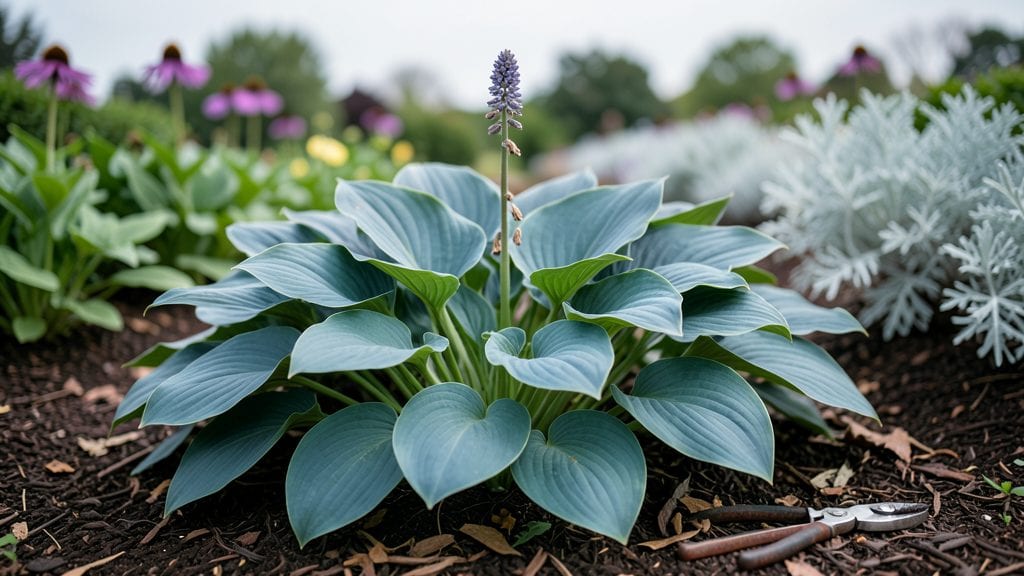
Mastering garden plant identification turns your yard into an open book—leaf shape and flower color hold all the clues you need. 🌿 I've spent years sorting through mystery plants in my yard, and once you learn these simple patterns, you'll spot them instantly.
The secret lies in noticing the subtle differences: lobed leaves vs. serrated edges, petal arrangement, or whether stems are fuzzy or smooth.
Start with the basics: broad leaves often mean herbs or vegetables, while narrow leaves point to grasses or ornamental plants. Flower colors can narrow it down further—purple blooms might be lavender or salvia, while white could be lilies or wildflowers.
I keep a small notebook to jot down these details when I'm unsure, and it's saved me from misidentifying plants that need different care.
You'll quickly build confidence in telling apart look-alikes like hostas and lilies or mint and creeping charlie. Within a season, you'll recognize common plants by sight alone, and even tricky ones will start to reveal themselves.
The payoff is knowing exactly what to do with each plant—whether to nurture it, remove it, or share cuttings with neighbors.
This method works year-round, whether you're troubleshooting a new growth sprout in spring or puzzling over winter weeds. Grab a magnifying glass and a field guide, and you'll be identifying plants like a pro in no time.
What Triggers Plant Mix-Ups
Misidentifying plants in your garden isn’t just a minor annoyance—it can lead to poor care, wasted resources, or even unintended ecological consequences. But why do these mix-ups happen so often? The answer lies in a mix of natural plant characteristics, human perception quirks, and environmental factors.
Let’s break down the science behind why gardeners (even experienced ones!) sometimes struggle to tell one plant from another.
Plants share traits like leaf shape, flower color, or growth habits, making them look eerily similar at first glance. For example:
- Leaf Shape: Many plants have lance-shaped or oval leaves, like Liriope muscari (grass lily) and Hosta varieties. Without close inspection, their differences—like vein patterns or leaf edges—can go unnoticed.
- Flower Resemblance: Rudbeckia (black-eyed Susan) and Echinacea (coneflower) both have daisy-like blooms, but their petal structures and seed heads differ subtly. A quick glance might miss these clues.
- Growth Habits: Vines like Clematis and Honeysuckle can twine in similar ways, but their leaf arrangements (opposite vs. alternate) or flower clusters (umbels vs. racemes) are key differentiators.
Why it matters: Plants evolve to blend into their environments, and gardeners often rely on quick visual cues. Without a trained eye, these similarities can lead to mislabeling—especially in hybrid plants or cultivars bred to mimic others.
Plants aren’t static; they change with the seasons, age, and even light exposure. These shifts can throw off identification efforts:
- Leaf Color Shifts: Coleus leaves might fade from vibrant red to dull green in low light, while Heuchera (coral bells) can darken or lighten based on sun exposure.
- Flowering Phases: Some plants, like Peony and Paeonia lactiflora, bloom briefly, leaving gardeners to guess if they’re seeing the plant at its diagnostic best.
- Dormancy or Dieback: Perennials like Hellebore (Lenten rose) may look completely different in winter (bare stems) vs. spring (lush foliage and flowers).
Why it matters: If you’re trying to ID a plant in December, its winter form might bear little resemblance to its spring glory. Without tracking changes over time, you risk misidentifying it entirely.
Our brains love shortcuts—sometimes too much. These mental traps can lead to plant ID errors:
- Confirmation Bias: If you think a plant is a Hostas, you might overlook its lack of variegation or heart-shaped leaves, assuming it’s just a rare variety.
- Anchoring Effect: Seeing one Salvia plant might make you label all spiky, purple-leaved plants as the same species, ignoring differences in flower spikes or leaf texture.
- Overgeneralizing: Assuming all Ivy is Hedera helix (English ivy) without checking for invasive traits (like Hedera nepalensis) can have ecological consequences.
Why it matters: Relying on first impressions or past experiences can blind you to critical details. Even experts need to double-check!
Plants aren’t one-size-fits-all. Local climates, soil types, and selective breeding create variations that can stump even seasoned gardeners:
- Climate Adaptations: A Sunflower in Arizona might have smaller, darker blooms than one in Minnesota due to heat stress, making it look like a different species.
- Cultivar Confusion: Daylilies (Hemerocallis) have thousands of hybrids with overlapping colors and forms. A pink "Stella de Oro" might look nearly identical to a "Happy Returns" until you check the bloom size or reblooming habit.
- Invasive vs. Native Lookalikes: Japanese Knotweed and Native Smartweed can resemble each other, but their growth rates and ecological impacts differ drastically.
Why it matters: What grows well in your zone might not match descriptions from a national plant database. Local nurseries or botanical gardens can provide tailored insights.
Without the right tools or knowledge, even obvious clues can be missed. Common gaps include:
- Ignoring Smell or Texture: Mint family plants (Mentha, Agastache) often have aromatic leaves, but gardeners might overlook this trait if focusing only on flowers.
- Skipping Root or Stem Checks: Irises have rhizomes, while Tulips have bulbs—yet many ID guides focus only on above-ground features.
- Overlooking Seed or Fruit: Tomato vs. Eggplant leaves can look similar, but their fruits (and even the plant’s growth habit) are dead giveaways.
Why it matters: A single overlooked trait—like leaf arrangement, stem hairiness, or fruit shape—can be the key to correct identification. Don’t stop at the first glance!
Quick Fixes for Plant Puzzles
Got a mystery plant stumping you? Whether it’s an unknown leaf shape, a flower color that doesn’t match your notes, or a plant behaving oddly, here’s how to crack the case—fast.
Below, we’ve mapped common garden plant identification challenges to practical solutions, plus tips to keep your green detective skills sharp.
Problem: The leaves look nothing like your reference book’s illustrations—too lobed, too serrated, or just plain weird.
How to Fix It: 📏 Step 1: Measure and Compare Use a ruler or your phone’s measuring app to note:
- Leaf length and width (e.g., “3 inches long, 2 inches wide”).
- Margin type: Smooth, serrated, lobed, or jagged?
- Vein pattern: Parallel (like grass) or netted (like maple)?
Pro tip: 💡 Snap a photo against a white background—this eliminates shadows and makes details pop.
📱 Step 2: Use Tech Tools
- Plant ID apps (like PlantNet or Google Lens): Upload a clear photo, and they’ll spit out likely matches.
- Leaf databases: Websites like USDA Plants or iNaturalist let you filter by leaf traits.
- Reverse image search: Upload your photo to Google Images to find similar plants online.
🌱 Step 3: Check the Stem and Growth Habit
- Is it woody (shrub/tree) or herbaceous (soft-stemmed)?
- Are leaves arranged alternately (one per node) or opposite (paired)?
These clues narrow it down faster than leaf shape alone.
🚫 Prevention Tip: Keep a plant journal with sketches or photos of new additions. Label them with location (sun/shade) and soil type—this saves future headaches!
Problem: Your plant’s blooms are a different shade than expected—maybe pale, striped, or downright mutant-looking.
How to Fix It: 🎨 Step 1: Rule Out Light Issues
- Too much sun? White or pale flowers can bleach out (think sunburned petals).
- Not enough light? Flowers may stay small or lose vibrancy.
Fix: Move the plant to a spot with filtered sunlight (e.g., dappled shade) and monitor for 2 weeks.
🌡️ Step 2: Check for Stress or Disease
- Yellowing or spots? Fungal issues (like powdery mildew) can distort colors.
- Wilting petals? Overwatering or root rot might cause flowers to fade prematurely.
Fix: Trim affected blooms, adjust watering (let soil dry between waterings), and treat with neem oil if needed.
🔄 Step 3: Consider Varietal Differences Some plants have cultivar variations—like a red rose grafted onto a white base. If the plant is mature and healthy, it might just be a rare or hybrid variety. Fix: Dig up the base (gently!) to check for graft lines or ask local nursery experts.
✨ Prevention Tip: Buy plants from reputable nurseries with clear labels. If purchasing seeds, verify the variety name—some “mystery mixes” yield surprises!
Problem: The plant looks healthy but refuses to thrive—or worse, it’s suddenly crispy or mushy.
How to Fix It: 💧 Step 1: Diagnose Water Woes
| Symptom | Cause | Fix |
|---|---|---|
| Yellow leaves | Overwatering | Let soil dry 1–2 inches deep before watering. |
| Brown, crispy edges | Underwatering | Water deeply 2–3x/week (adjust for climate). |
| Mushy stems | Root rot | Repot in fresh, dry soil; trim rotten roots. |
🌡️ Step 2: Test Soil and Light
- Too dark? Stunted growth = not enough light. Move to a brighter spot (but avoid harsh midday sun for tender plants).
- Too rich? Fertilizer burn (brown leaf tips) means you’re overdoing it. Flush soil with water and reduce feedings to once a month.
🐜 Step 3: Pest Patrol
- Aphids, spider mites, or slugs can weaken plants without obvious signs.
Fix:
- Spray infestations with soapy water (1 tsp mild soap + 1 quart water).
- Set traps for slugs (beer in a shallow dish) or use diatomaceous earth for crawling pests.
🌱 Prevention Tip:
- Rotate plants annually to prevent soil depletion.
- Mulch to retain moisture and deter weeds (which compete for nutrients).
- Join plant forums (like GardenWeb or Reddit’s r/gardening) to crowdsource help.
- Visit local botanical gardens—many offer free plant ID services or guided tours.
- Press leaves in a herbarium-style book for a permanent record (use a heavy book to flatten them!).
Remember: Even experts misidentify plants sometimes. When in doubt, observe, compare, and ask—your garden’s mysteries are just waiting to be solved! 🕵️♂️🌿
Frequently asked questions
How do I start identifying plants in my garden if I'm a complete beginner?
Begin with the basics: leaf shape, flower color, and plant height. Use a free app like PlantNet or Google Lens to upload photos—it’s like having a botanist in your pocket! Start with common plants like mint (aromatic leaves), sunflowers (large yellow blooms), or hostas (broad, heart-shaped leaves). Keep a small notebook to jot down observations.
What’s the quickest way to tell the difference between poison ivy and Virginia creeper?
Poison ivy has three leaflets (remember: "Leaves of three, let it be!") while Virginia creeper has five leaflets arranged like fingers. Poison ivy’s leaflets also have smooth edges, while Virginia creeper’s are toothed. Check the stems too—Virginia creeper has red berries in fall, while poison ivy doesn’t.
Can I trust plant identification apps 100% of the time?
Apps are great for starters, but they’re not foolproof. For tricky cases, cross-check with a physical field guide or ask local experts—apps sometimes mix up look-alikes like hostas and lilies. Always verify with multiple sources, especially for edible or toxic plants. When in doubt, observe the plant’s growth habit and leaf arrangement first.
Why does my plant look different from the pictures in my guidebook?
Plants change with seasons, light, and care! A sun-loving plant might grow leggy in shade, while a drought-tolerant succulent could swell with water. Check for pests, soil conditions, or light exposure first. Some plants also have regional variations—what grows in California might differ from what thrives in the Midwest.
What should I do if I think I’ve found an invasive plant in my garden?
Don’t panic—act fast! Research the plant online (use trusted sources like your state’s agricultural extension) and remove it immediately. Seal roots and stems in a bag before disposal. Report sightings to local authorities or invasive species databases. Common culprits include English ivy, kudzu, or Japanese honeysuckle—these can choke out native plants.