
Planting
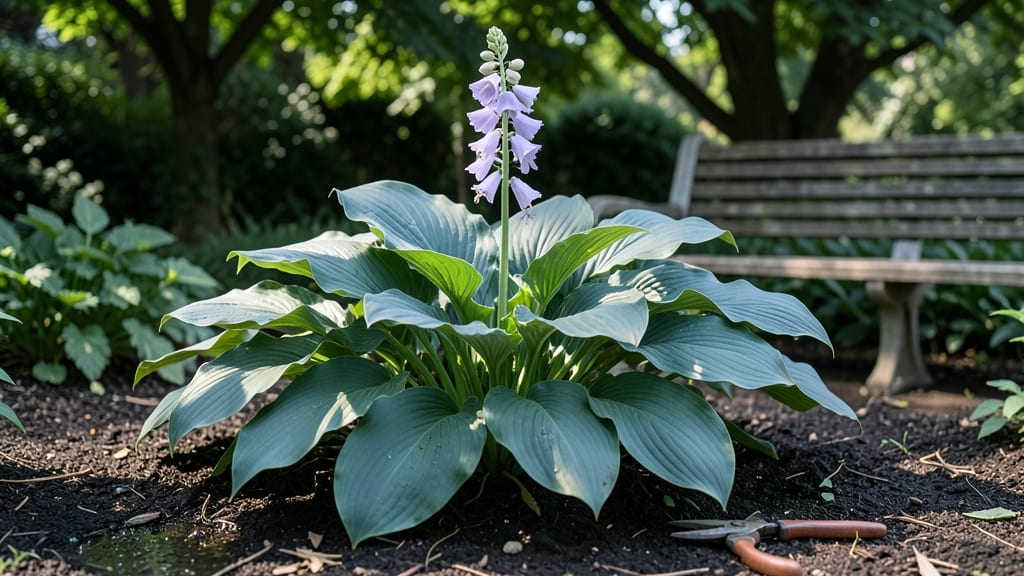
Staring at a leaf you can't name—this is where the mystery begins. 🌿 A garden plant identifier isn't just about naming plants; it's about unlocking the care secrets hidden in every shape, texture, and vein.
I've spent years decoding these clues, and now I'll show you how to spot the telltale signs that turn "unknown plant" into "thriving addition to your garden" in minutes.
The key is focusing on three simple features: leaf shape and edges, flower structure, and stem texture. Most beginner mistakes come from ignoring seasonal changes—those same leaves in summer might look completely different in fall.
I'll walk you through the exact visual cues to look for, plus which apps and field guides actually work when you're standing in the garden with no Wi-Fi.
By the end, you'll confidently identify everything from invasive weeds to rare heirloom roses. No more guessing whether that plant needs full sun or shade, or how often to water it.
The best part? You'll start noticing patterns other gardeners miss—like how certain leaf arrangements predict drought tolerance or how flower color shifts with soil pH.
Works for backyard gardens, community plots, or even houseplants you inherited from a mysterious relative. Here's how to become the plant detective your garden deserves.
Common Causes of Plant ID Confusion
Identifying plants in your garden can feel like solving a botanical puzzle—especially when you’re staring at a leaf or flower that refuses to match any image in your trusty plant book. But why does this happen so often?
Misidentification isn’t just a matter of poor memory or luck; it’s usually tied to specific scientific and environmental factors. Let’s break down the real culprits behind those frustrating "what-is-this?!" moments.
A garden plant identifier relies on complete, accurate visual data, but nature rarely cooperates by presenting a full specimen. Missing leaves, flowers, or seeds can throw off even the most advanced algorithms or expert eyes.
- Why it happens: Plants go through growth stages, and not every part is visible at once.
A seedling might lack flowers, while a mature plant could be dormant (no leaves in winter). - Actionable fix: Take multiple photos from different angles—focus on: - Leaf shape, edges, and venation (even if the leaf is small or damaged). - Stem texture (hairy, smooth, woody?). - Flower or fruit (if present), even if it’s just a bud. - Pro tip 💡: Use a magnifying glass for tiny details like leaf hairs or glandular dots, which are key identifiers.
Not all plants follow the rulebook. Hybrids, cultivars, and regional adaptations can make identification trickier than a chameleon changing colors.
- Why it happens:
- Hybrids (like many roses or dahlias) blend traits from parent plants, creating unique combinations that don’t match standard databases.
- Cultivars (e.g., ‘Blue Moon’ lavender) are selectively bred for specific traits, often differing from their wild relatives.
- Environmental stress (drought, poor soil) can alter leaf color, size, or shape.
- Actionable fix:
- Check for breeder tags or labels in nurseries—they often include cultivar names.
- Compare your plant to close relatives in the same genus (e.g., if it’s a Salvia, look at other salvias for similarities).
- Pro tip 🌡️: Note your hardiness zone—some plants only thrive in specific climates, which can affect their appearance.
Even the best garden plant identifier apps or online tools have blind spots. Their accuracy depends on data quality, user input, and coverage of lesser-known species.
- Why it happens:
- Limited databases: Many apps rely on crowdsourced photos, which may lack rare or regional plants.
- Poor image quality: Blurry, low-light, or cropped photos confuse AI models.
- Outdated info: Some plants (like newly discovered species) aren’t yet in identification tools.
- Actionable fix:
- Use multiple identifiers (e.g., try PlantNet, iNaturalist, and Google Lens for cross-verification).
- Describe the plant in detail (height, smell, habitat) to narrow down options.
- Update your app regularly—developers add new species over time.
- Pro tip ✨: If the app suggests a match but something feels off, compare leaf structures (e.g., is the leaf truly palmate or pinnate?).
A plant’s appearance changes dramatically over its lifecycle—what you see in spring might not match what you’d find in fall.
- Why it happens:
- New growth (spring/summer) often looks different from mature foliage (fall/winter).
- Dormancy (e.g., deciduous trees shedding leaves) removes key ID features.
- Flowering cycles mean some plants only bloom for weeks, leaving you with bare stems the rest of the year.
- Actionable fix:
- Take year-round notes on your garden plants.
- Look for persistent features (e.g., bark texture, seed pods, or evergreen leaves).
- Observe neighbors’ gardens—similar climates often grow the same species.
- Pro tip 🎯: If your plant is bare, dig up a root sample (gently!) to check for rhizomes or bulb structures.
Sometimes, the issue isn’t the plant—it’s how we describe it. A slight misjudgment in leaf shape or color can lead to wild guesses.
- Why it happens:
- Color perception: Lighting (sun vs. shade) alters how we see hues (e.g., a "red" leaf might be purple in shade).
- Shape confusion: A lobed leaf (like oak) can be mistaken for a serrated edge (like holly).
- Size exaggeration: A "large" leaf to you might be "small" to a botanist (context matters!).
- Actionable fix:
- Use a ruler or coin in photos for scale (e.g., "leaf is 3x the width of a quarter").
- Describe colors objectively: "Dull green with purple undersides" > "just green."
- Avoid assumptions: Not all white flowers are Gardenia—some are Honeysuckle or Moonflower.
- Pro tip 🔥: Draw the leaf—sketching forces you to notice details you’d overlook in a photo.
Plant misidentification is rarely a mystery—it’s usually a mix of missing data, natural variability, and human perception. By sharpening your observation skills and leveraging the right tools, you’ll turn those "what-is-this?!" moments into confident "Ah, it’s a Monarda fistulosa!" victories. 🌿🔍
Quick Fixes for Plant ID Struggles
Struggling to identify a mystery plant in your garden? Whether it’s an unexpected weed, a rare bloom, or a beloved plant that’s gone rogue, these practical solutions will help you pinpoint what’s growing—and how to care for it.
Let’s break down common challenges and their fixes, so you can turn confusion into confidence in your green thumb game.
Sometimes, a plant almost matches what you think it is—but not quite. Here’s how to nail the ID:
🔍 Step 1: Compare with Trusted Sources
If your plant identifier app or database spits out a few close matches, don’t guess—verify!
- Use multiple tools: Cross-check with apps like PlantNet, iNaturalist, or Google Lens to see if they agree.
- Check leaf shape, vein patterns, and growth habits: A slight difference in serration (teeth on leaves) or flower structure can be the key.
- Look for unique traits: Is the leaf fuzzy?
Does it have a strong scent? Note these details—they’re often dead giveaways.
📸 Step 2: Take Better Photos for ID
A blurry or poorly lit photo = a vague answer. Follow the “Plant ID Photo Rule”:
- Lighting: Shoot in natural daylight, avoiding harsh shadows.
- Close-ups: Focus on leaves (top and bottom), stems, flowers, and bark—each tells a story.
- Full plant view: Show how it grows (e.g., sprawling, upright, climbing).
- Size reference: Hold a coin or ruler next to it for scale.
🌱 Step 3: Observe Growth Patterns
Plants change over time. If you’re unsure, watch it for a few days: - Does it grow toward light?
(Most do.) - Are the leaves arranged alternately or in pairs? - Does it bloom at a specific time of year? Pro Tip: 🌡️ Temperature and moisture preferences can also hint at the species—e.g., succulents thrive in dry heat, while ferns love humidity.
Not every plant is in the databases yet (looking at you, hybrid varieties!). Try these offline detective tactics:
📚 Reverse-engineer with a field guide
If digital tools fail, grab a physical or digital plant guide (like The New Sunset Western Garden Book or National Audubon Society Field Guide).
- Flip through sections based on your plant’s leaf type (broadleaf, needle, etc.) and habitat (shade, sun, wet, dry).
- Note unusual features: Sticky leaves?
Milky sap? These can narrow it down.
🌿 Talk to local experts
Sometimes, the best identifier is a human with local knowledge:
- Visit a nursery or botanical garden: Bring your photo and ask staff—they’ve seen it all.
- Join gardening groups (Facebook, Reddit’s r/whatsthisplant, or local clubs).
Share your photo and location for tailored help. - Check university extension services: Many offer free plant ID help via email or phone.
🔬 Dig deeper with a microscope (yes, really!)
For super tricky IDs, a hand lens or microscope can reveal hidden clues:
- Leaf cell structure: Smooth edges vs. hairy or waxy coatings.
- Seed pods or fruit: Even if the plant isn’t flowering, these can be telltale signs.
Pro Tip: ✨ Press a leaf between two slides to see vein patterns—some plants have reticulate (net-like) veins, while others have parallel veins (common in grasses).
Once you’ve cracked the case, care for it like a pro with these next steps:
🌱 Match care to the plant’s needs every plant has a preferred environment.
Use your ID to: - Water correctly: Succulents hate soggy roots; ferns need consistent moisture. - Fertilize appropriately: Feed leafy greens with nitrogen; flowering plants need phosphorus. - Prune strategically: Some plants (like boxwood) need regular trimming, while others (like lavender) resent heavy pruning.
📝 Label it (seriously, do this!)
Forgetting what you’ve planted is a gardener’s nightmare. Label plants immediately with:
- Name (common and scientific, if possible).
- Planting date (helps track growth cycles).
- Care notes (e.g., “Needs staking,” “Divide every 3 years”).
🚨 Watch for red flags
Some “mystery plants” are invasive species or pests in disguise. If your ID reveals:
- Aggressive spreaders (e.g., kudzu, mint), contain them before they take over.
- Diseased plants (yellowing leaves, spots), isolate and treat them to protect your garden.
Avoid the guesswork next time with these easy habits:
- Start a garden journal: Snap photos and note plant details as you go.
- Learn a few key traits: Master leaf shape, arrangement, and flower structure—these are the foundation of ID.
- Grow native plants: They’re easier to identify and maintain since they’re already adapted to your climate.
- Use a plant tracker app: Tools like Gardenate or PlantSnap let you log your garden and get alerts for care reminders.
Remember: Every “mystery plant” is a chance to learn something new. Even if you don’t nail the ID right away, the process of investigating is half the fun—and your garden will thank you for the attention! 🌿🔍
Frequently asked questions
What are the most important features to look for when identifying a garden plant?
Focus on leaf shape, edges, and venation—these are the most reliable clues. Also check stem texture (hairy, smooth, or woody) and flower structure if available. For tricky cases, examine the growth pattern (upright, sprawling) and habitat preferences (sun vs. shade).
Can I use my smartphone to identify plants?
Apps like PlantNet, iNaturalist, or Google Lens work well for most common plants. For best results, take well-lit close-ups of leaves (top and bottom), flowers, and stems. Include a size reference (like a coin) for scale.
Why does my plant identifier app give different answers?
Apps rely on crowdsourced data, which can vary in accuracy. Try cross-checking with multiple tools (e.g., PlantNet + iNaturalist). If answers conflict, focus on leaf details—small differences in serration or vein patterns often reveal the correct match.
What should I do if my plant doesn’t match any database?
Start with offline field guides or consult local experts at nurseries or botanical gardens. For hybrids or rare species, describe unique traits (e.g., fuzzy leaves, milky sap) to narrow possibilities. University extension services often help with tricky IDs too!
How can I remember what plants I’ve already identified?
Keep a garden journal with photos and care notes. Label plants immediately with name, planting date, and care instructions. Apps like Gardenate also track your garden and remind you when to prune or fertilize.