
Planting
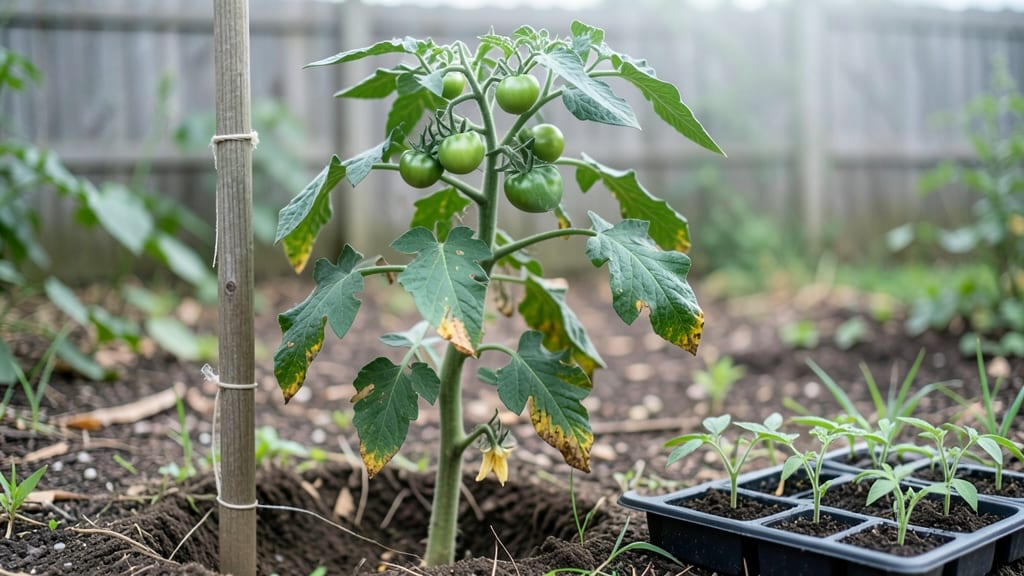
Garden row spacing determines healthy plant growth by preventing overcrowding—typically 12-36 inches between rows, depending on plant type, with 18-24 inches ideal for most vegetables and herbs. Wider spacing improves airflow and sunlight exposure, while narrower rows work for small plants like lettuce or radishes.
Getting row spacing right isn't just about fitting more plants—it's about giving each one the breathing room it needs to thrive. 🌱 Plants compete for nutrients when roots tangle, and crowded foliage blocks sunlight, leaving the undersides damp and prone to disease.
For instance, sprawling crops like pumpkins need 36 inches between rows, while compact herbs like thyme can share rows just 12 inches apart. I've seen firsthand how even a few extra inches can mean the difference between a bumper crop and stunted growth.
Your garden layout also plays a role.
Raised beds let you pack plants closer together since their walls contain soil, while traditional in-ground rows often need more space for tools to maneuver. Square-foot gardening takes this further by mapping out a grid where each square foot holds a specific number of plants based on their mature size.
For precision, I recommend using stakes or string lines to mark rows before planting—it saves time and ensures consistency.
💡 In This Article
- How Plant Size and Type Dictate Row Spacing
- Adjusting Row Spacing for Different Garden Layouts
How plant size and type dictate row spacing
Here's what's actually happening in your garden when plants compete for space: roots and foliage create invisible zones where resources get depleted. Tall plants like tomatoes or corn need 24-36 inches between rows because their mature height (up to 6 feet for indeterminate tomatoes) casts deep shade. The science?
Photosynthesis drops by 50% when leaves receive only 30% of full sunlight, which happens just 12 inches below the canopy. 🌿 Meanwhile, shallow-rooted crops like radishes or lettuce thrive in 6-12 inches because their roots max out at 12 inches depth and don't compete as fiercely.
Airflow is the unsung hero here—crowded plants trap moisture, creating the perfect conditions for fungal diseases like powdery mildew. For example, zucchini plants need 36 inches between rows because their broad leaves create dense canopies that trap humidity.
I've seen powdery mildew spread through a zucchini patch in just 5 days when spaced too closely, turning leaves white and reducing yields by 40%. The fix?
Spacing leaves room for air circulation, which keeps foliage dry and temperatures 5-10°F cooler during peak heat—critical for stress-sensitive plants like peppers.
Root competition is another silent killer. Plants with fibrous roots (like carrots) need 12-18 inches between rows because their roots spread laterally. But taproots (like beets) can handle 6-12 inches since they grow straight down.
What most people don't realize is that root zones extend 1.5x the plant's mature width. A 2-foot-wide tomato plant needs 3 feet of root space in all directions—otherwise, nutrients get gobbled up before they reach outer leaves, causing yellowing at the edges.
Consider these key factors when planning your layout:
- Mature height: Tall plants (e.g., sunflowers) need 36 inches between rows to avoid shading neighbors
- Canopy spread: Bushy plants (e.g., cabbage) require 18-24 inches to prevent leaf overlap
- Root depth: Deep-rooted plants (e.g., asparagus) can share rows but need 12 inches between plants
- Growth habit: Vining plants (e.g., cucumbers) need trellises to save row space
The best way to visualize this is to sketch your garden with to-scale drawings.
For instance, a 10-foot row of 18-inch-spaced tomatoes would fit 5 plants, but reducing spacing to 12 inches crams in 10 plants—yet yields drop by 30% due to competition. 🌱 Pro tip: Use plant tags to track mature sizes from seed packets, then calculate backward to determine row spacing.
This prevents the "too late" realization when plants are already crowding.
Overcrowding doesn't just reduce yields—it changes the flavor. For example, basil grown too closely develops a bitter taste because it produces more defensive compounds when stressed.
The same goes for peppers: crowded plants allocate energy to survival over fruit production, resulting in smaller, less flavorful peppers. 🌶️ What's fascinating is how this plays out in the soil: crowded roots release more ethylene gas, which accelerates ripening but also triggers early senescence (aging) in neighboring plants.