
Companion Plants
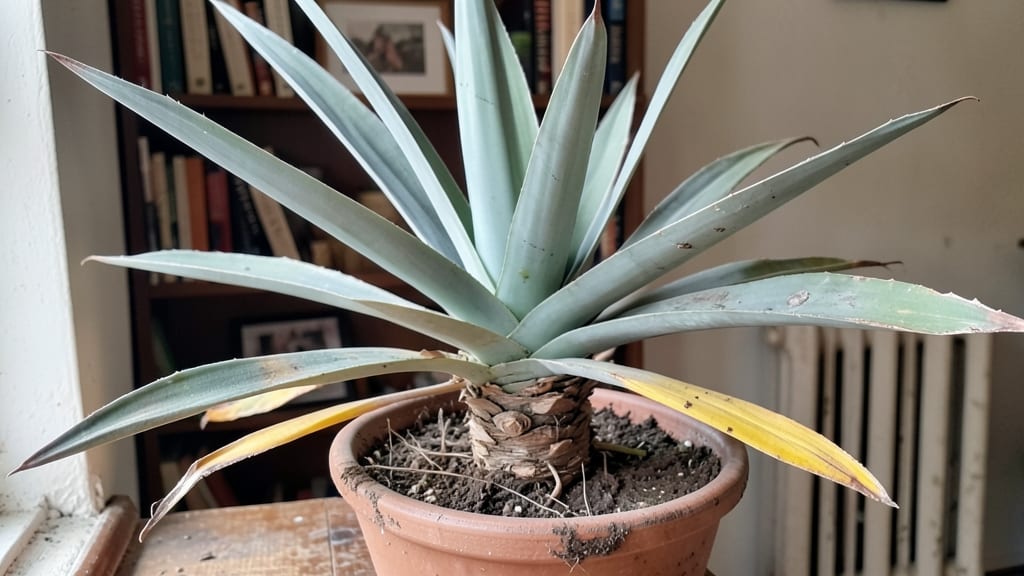
Growing yucca plants transforms your garden into a drought-proof masterpiece that needs almost no fuss. 🌵 I planted mine in a sunny corner last spring, and now they’re thriving with almost no watering—just the occasional rain.
The secret lies in their love for well-draining soil and full sun, which makes them perfect for hot, dry climates or low-maintenance landscapes.
Start with well-draining soil—yuccas hate soggy roots, so mix in sand or gravel if your soil is heavy. Plant in full sun (at least 6 hours daily) and space them 3-6 feet apart, depending on the variety.
Most yuccas grow slowly but reward you with striking foliage and dramatic blooms in late spring or summer.
Watering is the real game-changer: deep but infrequent. After the first year, they’ll survive on rainfall alone. Overwatering is the #1 killer, so let the soil dry completely between waterings. Once established, these plants are nearly indestructible—perfect for busy gardeners or anyone tired of fussy plants.
For extra flair, pair them with succulents or ornamental grasses. If you spot brown tips, it’s usually just sunburn—move them to partial shade for a few weeks. With the right spot, yuccas will outlast every other plant in your garden, year after year.
📚 In This Guide
- What you need
- Instructions
- Tips and common mistakes
- Wrapping up and next steps
What you need
- ● Yucca plants: Choose between Yucca filamentosa (Adam’s needle) or Yucca gloriosa (Spanish dagger). Start with 1-3 mature plants (3-5 ft tall) or 5-10 pups (for faster growth).
- ● Well-draining soil: 50 lbs of a mix of 60% native soil, 30% coarse sand or perlite, and 10% compost (yuccas hate soggy roots!).
- ● Fertilizer: 1 lb of low-nitrogen, slow-release granular fertilizer (e.g., 5-10-10 or 6-6-6 ratio).
- ● Mulch: 2-3 inches of gravel, pebbles, or bark chips (to prevent moisture retention around the base).
- ● Garden trowel or shovel (for digging holes 2-3x wider than the root ball).
- ● Gloves (yucca leaves are sharp—trust me!).
- ● Watering can or hose with a shut-off nozzle (yuccas need deep but infrequent watering).
- ● Pruners or shears (for trimming dead fronds or dividing pups).
- ● Measuring tape or ruler (to ensure proper spacing—3-6 ft apart for mature plants).
- ● Soil pH test kit (yuccas prefer slightly acidic to neutral (6.0-7.0)).
- ● Drip irrigation system (for automated, drought-friendly watering).
- ● Companion plants: Pair with lavender, agave, or Russian sage for a low-maintenance desert vibe!
- ● Plant labels (to track varieties if you’re experimenting).
Step-by-Step instructions for planting and cultivating yucca plants
Here’s how to establish your yucca plants for maximum resilience and striking visual impact.
🌱 Step 1: Select and Prepare the Planting Site
Yuccas thrive in full sun—choose a location receiving at least 6-8 hours of direct sunlight daily. They tolerate poor, rocky, or sandy soil, but drainage is critical. Amend heavy or clay soil with 2-3 inches of coarse sand or gravel to prevent root rot, especially in winter when moisture lingers.
Dig a hole twice as wide as the root ball but only as deep as the container’s base. This encourages roots to spread horizontally rather than sink too deep. Loosen the soil at the bottom of the hole with a garden fork to help roots penetrate easily. If planting multiple yuccas, space them 3-5 feet apart for mature size.
🪴 Step 2: Remove and Position the Yucca Plant
Gently remove the yucca from its container, tapping the sides if roots are tightly bound. Tease apart any circling roots with your fingers—this prevents girdling as the plant matures. Place the root ball in the hole so the top of the root system sits level with the surrounding soil. Yuccas hate being buried too deep, which can cause stem rot.
Backfill the hole with native soil, pressing lightly to eliminate air pockets but avoid compacting. Water deeply to settle the soil around the roots, then let the surface dry completely before watering again. This initial deep soak helps roots establish without encouraging waterlogged conditions. Mulch with 2-3 inches of gravel or crushed stone (never organic mulch) to conserve moisture and regulate soil temperature.
☀️ Step 3: Establish Watering and Light Routines
Yuccas are drought-tolerant once established, but water deeply every 2-3 weeks during the first growing season to encourage root growth. After the first year, reduce watering to once every 4-6 weeks, unless your region experiences extreme heat or drought. Overwatering is the fastest way to kill yuccas—always let the soil dry completely between waterings.
Monitor the plant’s response to sunlight. If leaves develop a pale, washed-out color, the yucca needs more sun. If they turn yellow or brown at the tips, it’s likely receiving too much afternoon heat—provide afternoon shade during peak summer months. Yuccas are hardy to USDA Zones 4-11, but younger plants may need winter protection in colder climates with burlap wraps or frost cloth during freezing temperatures.
✂️ Step 4: Prune and Maintain for Long-Term Health
Prune yuccas in early spring before new growth begins. Remove dead or damaged leaves at the base with clean, sharp pruners, cutting just above the point where the leaf meets the stem. If the plant develops pups (offsets) at the base, dig them up in spring and replant them separately if you want to expand your collection. This also rejuvenates the mother plant by redirecting its energy.
Fertilize lightly in early spring with a balanced, slow-release fertilizer (10-10-10) applied at half the recommended rate. Yuccas are low-maintenance and don’t need frequent feeding—over-fertilizing leads to weak growth and attracts pests. Watch for scale insects or spider mites, which thrive in dry conditions. Treat infestations early with neem oil or insecticidal soap applied in the early morning or late evening to avoid harming beneficial insects.
⏰ Step 5: Winter Care for Cold-Climate Yuccas
In USDA Zones 4-6, protect mature yuccas from winter dieback by mounding soil or gravel around the base to insulate roots. Wrap the stem with burlap or frost cloth, leaving the top open to allow water drainage. Young plants may need container protection—move them to a sheltered location or cover them entirely with straw or leaves for added insulation.
Resist the urge to water during winter dormancy. Yuccas store moisture in their thick leaves and roots, so water only if the soil remains frozen for more than 4 weeks. In spring, remove protective materials once new growth appears. This gradual exposure prevents shock and allows the plant to reacclimate to outdoor conditions. With proper care, your yuccas will reward you with bold, architectural beauty for decades.
Tips & tricks for perfect yucca plant cultivation
Yuccas might seem low-maintenance, but these pro tips will help you avoid common pitfalls and maximize their stunning architectural beauty.
Soil Drainage is Non-Negotiable: The 2-3 inches of coarse sand or gravel you add to heavy soil isn't just about drainage—it's about creating an airy root zone. I've seen yuccas fail spectacularly in winter because their roots suffocated in compacted, waterlogged soil. If you're unsure about your soil's drainage, do the "squeeze test": Grab a handful of moist soil—if it holds its shape like Play-Doh, amend it.
Root Ball Position Matters: In Step 2, when placing your yucca, resist the urge to bury it deeper than the container's base. I learned this the hard way when my first yucca developed stem rot after being planted too deeply. The top of the root system should sit level with the surrounding soil—this prevents water pooling around the stem. Think of it like parking your car: you wouldn't bury the wheels, would you?
Watering Wisdom: Those 2-3 week intervals during the first year might seem infrequent, but yuccas store water in their thick leaves. The key is deep watering that penetrates 6-8 inches into the soil. I use a long-handled trowel to check moisture levels—if the soil at that depth is dry, it's time to water. Overwatering is the silent killer of yuccas, so always let the surface dry completely between sessions.
Winter Protection Strategy: For cold-climate yuccas in Zones 4-6, the mounding technique is your best friend. I've found that adding 4-6 inches of gravel around the base provides better insulation than soil alone. The gravel stays loose and allows moisture to escape while protecting roots from freezing temperatures. Pro tip: Use a wire cage filled with gravel for extra stability if your area gets heavy snow.
Pro Tips for Garden Yucca Plants
- Yuccas might seem low-maintenance, but these pro tips will help you avoid common pitfalls and maximize their stunning architectural beauty.
- Soil Drainage is Non-Negotiable: The 2-3 inches of coarse sand or gravel you add to heavy soil isn't just about drainage—it's about creating an airy root zone.
- Root Ball Position Matters: In Step 2, when placing your yucca, resist the urge to bury it deeper than the container's base.
Frequently asked questions
Got questions about growing garden yucca plants? You’re not alone!
Whether you're a newbie or a seasoned gardener, these answers will help you keep your yuccas thriving with minimal fuss.
How often should I water my garden yucca plants?
Once established, yuccas are extremely drought-tolerant—water them deeply but infrequently (about every 2–4 weeks in dry climates). Overwatering is the #1 killer! Check soil moisture 2–3 inches down before watering; if it’s dry, it’s time. Pro tip: Mulch around the base to retain moisture and deter weeds.
When is the best time to plant yucca in my garden?
Plant yuccas in early spring or late fall when temperatures are mild (50–75°F). This gives roots time to establish before extreme heat or cold. Avoid planting in summer’s peak heat—young plants can scorch. If you’re in a warm climate, fall planting is ideal to prevent transplant shock.
What pests or diseases should I watch for with yucca plants?
Yuccas are tough, but they can fall prey to yucca moths, scale insects, or mealybugs. Look for sticky residue or tiny webs on leaves. Treat infestations early with neem oil or insecticidal soap. Prevention tip: Prune dead leaves promptly to reduce hiding spots for pests. Fungal issues (like root rot) are rare but can occur if soil is soggy—ensure well-draining soil at all times!
Can I grow yucca indoors, or is it strictly an outdoor plant?
While yuccas thrive outdoors, some varieties (like Yucca elephantipes) can adapt to bright indoor spaces near south- or west-facing windows. Use a large pot with drainage and keep soil dry. Warning: They need plenty of light—if leaves yellow or stretch, move them closer to a window or add grow lights.
How do I encourage my yucca to flower?
Yuccas flower when mature (3–5 years old) and happy! Ensure they get full sun (6+ hours/day) and well-draining soil. Bonus tip: A light fall fertilizer (low nitrogen) can boost blooms. Patience is key: Some varieties flower annually, while others bloom sporadically. If yours isn’t flowering, check for overcrowded roots—divide clumps every few years to refresh growth!
Wrapping up and next steps
Garden yucca plants are the ultimate low-maintenance, drought-resistant superstars for any landscape—whether you're a busy gardener or a beginner! 🌵 Their striking foliage, hardy nature, and year-round beauty make them a must-have for sunny spots.
With the right care (like well-draining soil and minimal watering), these plants will reward you with bold, architectural charm for years to come.
Ready to level up your garden? Start by picking your favorite yucca variety—Spanish dagger, blue yucca, or Adam’s needle—and plant it in a spot where it can shine. Then, sit back and enjoy the effortless elegance of a garden that thrives with minimal fuss! 🌟