Shrubs
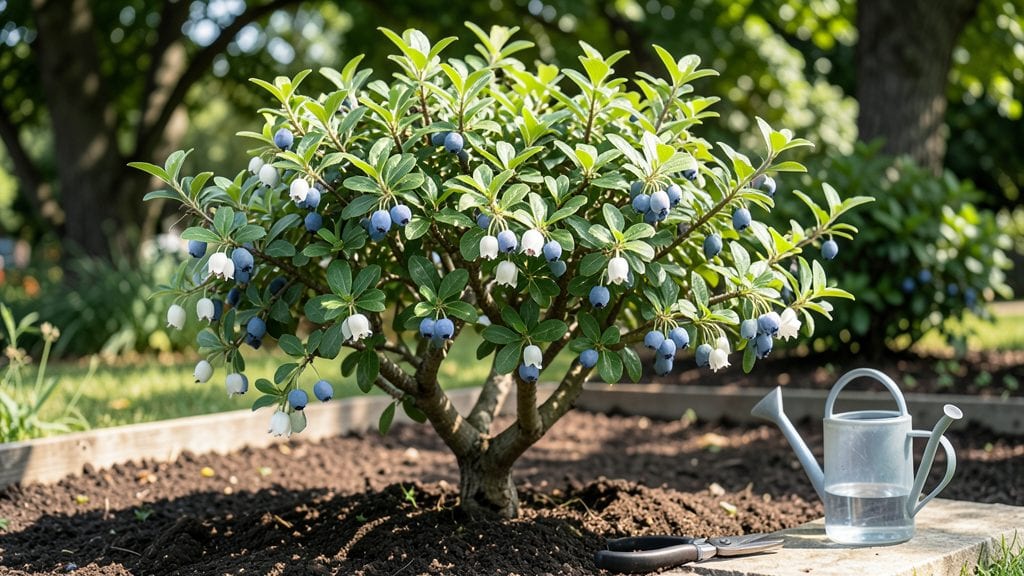
Gardening blueberry bushes in small spaces is easier than you think—these compact powerhouses deliver sweet harvests even in tight yards. 🌿 I learned the hard way that acidic soil and consistent moisture are non-negotiable, but once I cracked the code, my urban patio produced enough berries to share with neighbors.
The key isn't just the plants themselves, but creating the perfect environment they'll thrive in.
You'll need just three essentials: well-draining soil with a pH between 4.5 and 5.5 (test kits make this simple), a location with at least 6-8 hours of sunlight daily, and a watering routine that keeps roots consistently moist but never soggy.
Most people overlook the soil prep—amending with peat moss or pine needles can make all the difference for these finicky shrubs. And don't worry about needing acres; dwarf varieties fit neatly in 3-foot-wide spaces.
By late summer, you'll be picking plump, juicy berries that taste nothing like store-bought—this is the payoff. The bushes reward proper care with years of production, and with strategic pruning, you can extend harvests into fall.
The first year might be modest, but each subsequent season brings bigger yields and fewer pests as the plants establish themselves.
Works beautifully in containers for balconies or along fences, and even thrives in cooler climates if you choose the right varieties. Here's how to get started without the common pitfalls that trip up beginners."
📚 In This Guide
- What you need
- Instructions
- Tips and common mistakes
- Wrapping up and next steps
What you need
- ● Blueberry plants: 2–4 dwarf or semi-dwarf varieties (e.g., 'Top Hat,' 'Peach Sorbet,' or 'Sunshine Blue') for compact spaces. Choose self-pollinating types or pair one highbush with one lowbush for cross-pollination.
- ● Soil: 50 lbs acidic potting mix (pH 4.5–5.5) or peat moss + perlite mix (50/50 ratio). 1 lb sulfur or iron sulfate (to lower pH if needed). 1 lb organic mulch (pine bark or pine needles).
- ● Containers (if applicable): 1–2 15–20 gallon pots with drainage holes (or a raised bed, 3’x3’ minimum).
- ● Tools: Trowel or small shovel. Garden gloves (to protect from thorns!). Pruning shears (sterilized with rubbing alcohol). pH testing kit (digital or liquid). Watering can or hose with a gentle spray nozzle.
Step-by-Step guide for planting and maintaining blueberry bushes in small gardens
Here’s how to grow thriving blueberry bushes that produce fruit year after year—even in tight spaces.
🌱 Step 1: Choose the Right Variety and Planting Site
Blueberries need acidic soil with a pH between 4.5 and 5.5—test your soil before planting. For compact spaces, dwarf varieties like ‘Top Hat’ or ‘Peach Sorbet’ stay under 3 feet tall and produce abundant fruit without taking over. Plant in full sun (at least 6 hours daily) with morning sunlight to prevent afternoon heat stress.
If your soil isn’t naturally acidic, mix in 2-3 pounds of peat moss or sulfur per planting hole to adjust the pH. Avoid low-lying areas where water pools—blueberries hate soggy roots. I always dig a hole twice as wide as the root ball but only as deep as the container’s base to encourage outward root growth.
🪴 Step 2: Plant Bushes Correctly for Maximum Growth
Remove the bush from its container and loosen the roots gently if they’re circling. Place it in the hole so the top of the root ball sits just above soil level—burying too deep suffocates the plant. Backfill with a mix of native soil, peat moss, and compost (equal parts) to maintain acidity and drainage.
Water deeply right after planting to settle the soil and eliminate air pockets. Mulch around the base with 2-3 inches of pine needles or wood chips—this keeps roots cool, retains moisture, and slowly acidifies the soil over time. Space bushes 4-6 feet apart for dwarf varieties to allow airflow and reduce disease risk.
☀️ Step 3: Water and Fertilize for Consistent Fruit Production
Blueberries need consistent moisture—water 1-2 inches per week, more during dry spells. I check soil moisture by sticking my finger 2 inches deep; if it feels dry, it’s time to water. Avoid overhead sprinkling, which spreads fungal diseases. Instead, use a soaker hose or drip irrigation at the base of the plant.
Fertilize in early spring with an acid-loving plant fertilizer (look for one with high nitrogen and low phosphorus). I use ½ cup per bush mixed into the soil around the drip line. Skip high-phosphorus fertilizers—they encourage leaf growth at the expense of fruit. Prune out dead or crossing branches in late winter to improve airflow and fruit access.
✂️ Step 4: Prune and Harvest for Year-Round Success
Prune in late winter or early spring before new growth starts. Remove old wood (branches over 5 years old) and any weak or diseased stems. Cut back one-third of the oldest canes each year to encourage new, productive growth. I always sterilize my pruners with rubbing alcohol between cuts to prevent bacterial spread.
Harvest when berries are deep blue and slightly soft to the touch—they won’t ripen further once picked. Pick in morning hours when temperatures are cool to preserve sweetness. For extended harvests, plant two varieties with different bloom times (like ‘Bluecrop’ and ‘Jersey’). Store unwashed berries in the fridge for up to 10 days—washing speeds up spoilage.
🌿 Step 5: Overwinter for Next Year’s Bounty
Mulch heavily in late fall with 4-6 inches of straw or leaves to insulate roots from freezing temperatures. Blueberries are hardy to Zone 3, but young plants benefit from winter protection. I also wrap the base of dwarf varieties in burlap if winters are harsh to prevent frost heave.
In early spring, remove old mulch and add fresh compost around the base. Monitor for mummy berry fungus (gray, shriveled fruit) and remove infected berries immediately. With proper care, your bushes will produce for 15-20 years—making them one of the most rewarding compact crops.
Tips & tricks for perfect blueberry bushes in small gardens
These proven strategies will help you maximize your compact blueberry harvest without common gardening pitfalls.
The Soil Secret: Don't just test your soil's pH—also check its texture. Blueberries prefer a loamy, well-draining mix that holds moisture but doesn't stay soggy. If your native soil is heavy clay, amend with 50% peat moss or pine fines before planting. I've seen bushes thrive in containers with this mix, even in urban settings where ground planting isn't possible. The key is maintaining that 4.5-5.5 pH range consistently—test annually in spring.
Planting Depth Matters: That root ball position in Step 2 is critical—burying too deep suffocates the plant while too shallow exposes roots. Here's my trick: After placing the bush, press the soil gently around the edges and check the depth by comparing the root ball's top to the surrounding soil level. For dwarf varieties, aim for the top of the root ball to sit just above ground level. This prevents crown rot while encouraging strong root establishment.
Watering Wisdom: Those 1-2 inches per week measurements can be tricky. I use a simple rain gauge placed near my bushes to track actual rainfall, then supplement with water only when needed. The 2-inch deep soil check works best in the morning—soil dries faster in afternoon sun. For container-grown bushes, water every 2-3 days in summer, as pots dry out faster than ground soil. Always water at the base to prevent fungal spores from splashing onto leaves.
Pruning Precision: When cutting back one-third of the oldest canes in Step 4, look for branches that are thicker than a pencil and show signs of aging. Make cuts just above an outward-facing bud at a 45-degree angle. I sterilize my pruners between each cut with rubbing alcohol to prevent spreading bacterial infections. This annual pruning keeps your bushes productive for decades by encouraging new growth that bears fruit more reliably.
Pro Tips for Gardening Blueberry Bushes
- These proven strategies will help you maximize your compact blueberry harvest without common gardening pitfalls.
- The Soil Secret: Don't just test your soil's pH—also check its texture.
- Planting Depth Matters: That root ball position in Step 2 is critical—burying too deep suffocates the plant while too shallow exposes roots.
Frequently asked questions
Got questions about growing blueberry bushes?
Here are answers to the most common ones—from planting to harvesting—so you can enjoy juicy berries all season long!
How long does it take for blueberry bushes to produce fruit?
Most blueberry bushes take 2–3 years to bear fruit after planting, though some varieties (like Top Hat or Sunshine Blue) may produce a small harvest in the first year. Patience pays off—consistent care (water, soil acidity, and mulch) speeds up fruiting!
When is the best time to plant blueberry bushes?
Plant in early spring (as soon as the soil is workable) or late fall (6–8 weeks before frost). Avoid extreme heat or freezing temps—roots need time to establish. For container gardening, spring is ideal to let plants adjust before summer’s heat.
Can I grow blueberry bushes in containers or small spaces?
Dwarf varieties like Peach Sorbet or Pink Lemonade thrive in 5-gallon pots with acidic soil (pH 4.5–5.5). Place containers in full sun (6+ hours/day) and water consistently. Just ensure pots have drainage holes to prevent root rot!
Why aren’t my blueberry bushes producing berries?
Common culprits include:
- Wrong soil pH: Test your soil—blueberries need acidic conditions (use sulfur or peat moss if needed).
- Insufficient sunlight: They need 6+ hours of sun daily.
- Young plants: Bushes under 2 years old may not fruit yet.
- Pests/disease: Check for aphids, birds, or fungal spots (prune affected areas).
Do blueberry bushes need winter protection?
In Zone 5 or colder, mulch heavily (3–4 inches of straw or pine needles) around the base to insulate roots. Young bushes benefit from burlap wraps or frost cloth in harsh winters. Prune in late winter to remove dead wood—just avoid heavy pruning before buds swell!
Wrapping up and next steps
Growing blueberry bushes in compact spaces is not only possible—it’s rewarding! 🌱 With the right soil, sunlight, and a little patience, you’ll enjoy a bountiful harvest year after year.
Whether you’re a beginner or a seasoned gardener, these harvest hacks make it easier than ever to cultivate sweet, juicy berries right at home.
Ready to dive in? Start by planning your space and selecting the perfect variety for your climate. Then, grab your gloves and get growing—your future blueberry smoothies (or pies!) will thank you. 🍇