
Landscaping
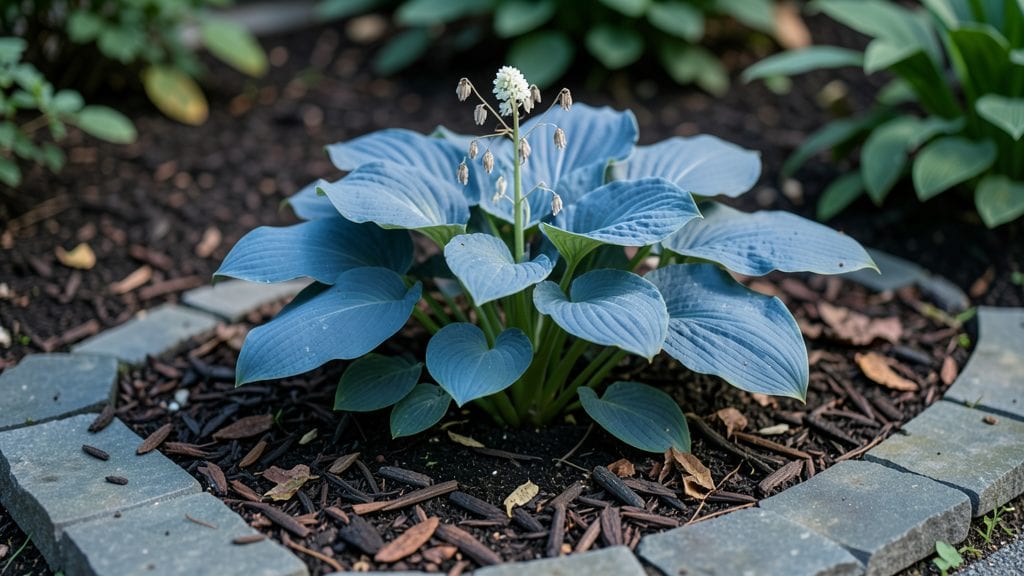
Gardening in New England means choosing plants that laugh at frost and keep coming back every spring—like coneflowers, black-eyed Susans, and hardy ferns that outlast the harshest winters. 🌿 I’ve learned the hard way that tender annuals won’t cut it here, but the right perennials turn my yard into a four-season show, even when snow’s still on the ground in May.
These cold-hardy stars thrive in zones 3-7 without fuss, once you get their basic needs right. Most need well-draining soil (New England clay? We’ve all been there) and full sun to part shade, with minimal fuss once established.
The payoff? Vibrant blooms from June through October, and foliage that stays interesting even in winter’s grip.
You’ll skip the annual replanting headache and watch your garden mature into a lush, low-maintenance landscape. My go-to list includes native favorites like New England aster and bee balm, plus a few underrated workhorses that handle our wild swings between heatwaves and early frosts.
Whether you’re starting from seeds or transplants, the key is timing—plant in early spring or fall when the soil’s workable but not baking hot. I’ll walk you through the best varieties for your specific microclimate, from coastal Maine to inland Vermont.
📚 In This Guide
- What you need
- Instructions
- Tips and common mistakes
- Wrapping up and next steps
What you need
- ● Cold-hardy perennial plants: 10–20 Heuchera (Coral Bells) – Zones 3–9
- ● 5–10 Hosta (Plantain Lily) – Zones 3–8
- ● 3–5 Astilbe (False Spirea) – Zones 3–8
- ● 5–8 Sedum (Stonecrop) – Zones 3–11 (drought-tolerant!)
- ● 3–5 Russian Sage – Zones 4–9 (drought-resistant)
- ● Soil amendments: 5–10 lbs. compost (for enriching soil)
- ● 1–2 lbs. organic mulch (straw or shredded bark)
- ● Basic tools: 1 garden trowel (for planting)
- ● 1 pruning shears (sharp, for trimming)
- ● 1 garden hose with spray nozzle (or watering can)
- ● 1 gloves (gardening-specific, for protection)
- ● Soil testing kit – Ensure pH balance (ideal: 6.0–7.0 for most perennials).
- ● Slow-release fertilizer (e.g., Osmoote or Espoma) – Apply in early spring.
- ● Frost cloth – For young plants during late spring/early fall frosts.
- ● Decorative stones or gravel – For mulch-free pathways or accent borders.
- ● Label markers – Track plant names and varieties (trust us, you’ll forget!).
- ● A sunlight assessment of your yard (most New England perennials need partial shade to full sun).
- ● Well-draining native soil (amend heavy clay with compost if needed).
- ● Access to water (perennials need 1–1.5 inches/week, including rainfall).
- ● Patience! Cold-hardy perennials may take 1–2 years to fully establish.
How to select and plant cold-hardy perennials for New England’s climate
New England’s chilly winters and short growing seasons demand smart choices—here’s how to pick and establish perennials that return every year.
🌱 Step 1: Choose Perennials That Survive Your Zone
New England spans USDA Zones 3-6, so focus on perennials like coneflower, black-eyed Susan, hosta, and Russian sage—they handle frost and bounce back. Check the USDA Plant Hardiness Zone Map to confirm your exact zone. I always pick plants rated at least 2 zones colder than my location for extra safety.
Look for native species first—New England aster, goldenrod, and wild bergamot thrive without fuss. These plants have evolved to handle our hot summers, cold snaps, and rocky soil. Avoid tropical-looking perennials unless you’re willing to winter-protect them.
☀️ Step 2: Time Planting for Best Establishment
Plant most perennials in early spring (April–May) or early fall (September–October) to give roots time to establish before extreme temperatures. Spring planting lets roots grow deep before summer heat, while fall planting avoids drought stress. I’ve found late September works best in my Zone 5 garden—cool nights help roots settle.
If planting in late spring or summer, water deeply 2-3 times per week until roots establish. You’ll know they’re settled when new leaves appear and the plant looks vigorously green, not wilted. Avoid planting in mid-summer heat—transplant shock kills tender roots.
🪴 Step 3: Prepare Soil for Cold-Hardy Success
New England’s soil is often sandy, rocky, or clay-heavy, so amend with 2-3 inches of compost before planting. Work it into the top 6 inches of soil to improve drainage and fertility. I mix in a slow-release organic fertilizer (like 5-5-5) to give plants a nutrient boost without burning roots.
If your soil is very rocky, dig a hole twice as wide as the root ball to encourage roots to spread. Pack the amended soil firmly around the roots but avoid compacting it—roots need air pockets. Water deeply after planting to eliminate air gaps and help soil settle.
💧 Step 4: Water and Mulch for Winter Protection
Water newly planted perennials deeply once a week for the first month, then taper to every 10-14 days unless rain falls. Deep watering encourages roots to grow downward, where they’re safer from freeze-thaw cycles. You’ll see strong stems and glossy leaves as a sign of healthy hydration.
Apply 3-4 inches of mulch (like shredded bark or straw) after the first frost to insulate roots. Mulch keeps soil 10°F warmer in winter and prevents heaving (when roots freeze and push up). Replenish mulch in early spring before new growth starts—this prevents soil from drying out too quickly.
✂️ Step 5: Prune and Feed for Year-Round Health
Cut back dead or damaged stems in early spring before new growth appears. I prune Russian sage and lavender hard in spring—they regrow from the base and stay bushier. For hostas and asters, trim only the dead foliage to leave next year’s growth intact.
Feed perennials in early spring with a balanced fertilizer (like 10-10-10) or compost. Over-fertilizing in late summer encourages tender growth that won’t survive winter. Watch for lush, dark green leaves—that’s your sign the plant is thriving. If leaves look pale or yellow, it’s time to amend the soil again.
Tips & tricks for perfect cold-hardy perennial gardens
New England gardening takes patience and strategy—here are the secrets to help your perennials thrive through our unpredictable seasons.
Zone Safety First: When selecting plants, always check the USDA Plant Hardiness Zone Map and choose varieties rated at least 2 zones colder than your location. For example, if you're in Zone 5, select plants rated for Zone 3 or 4. I've learned this the hard way after losing several perennials to unexpected cold snaps. Native species like coneflower and New England aster are your best bet—they've evolved to handle our extremes.
Timing is Everything: In Step 2, when planting in early spring or late September, pay attention to soil temperature—not just air temperature. Stick your finger about 3 inches deep—if it feels cool but not frozen, it's ready. For late spring/early summer plantings, water deeply 2-3 times per week until you see vigorous new growth. The key is establishing roots before summer heat sets in, which can be just as damaging as winter freezes.
Soil Prep Secrets: For rocky soil in Step 3, consider using a soil probe to check drainage before amending. If water pools after 6 hours, you need more compost to improve drainage. I've found that mixing in a handful of perlite with the compost helps break up clay-heavy soils. When planting, dig holes twice as wide as the root ball—this encourages roots to spread horizontally where they're safer from freeze-thaw cycles.
Winter Protection Hacks: The 3-4 inches of mulch in Step 4 isn't just about insulation—it's also about moisture retention. In my Zone 5 garden, I use straw mulch because it breaks down more slowly than wood chips. Apply it after the first frost when soil temperatures drop below 40°F. For extra protection in harsh winters, consider adding a layer of evergreen boughs over sensitive plants like hostas—they create a microclimate that's 10°F warmer.
Pro Tips for Gardening New England
- New England gardening takes patience and strategy—here are the secrets to help your perennials thrive through our unpredictable seasons.
- Zone Safety First: When selecting plants, always check the USDA Plant Hardiness Zone Map and choose varieties rated at least 2 zones colder than your location.
- Timing is Everything: In Step 2, when planting in early spring or late September, pay attention to soil temperature—not just air temperature.
Frequently asked questions
Got questions about gardening in New England’s unique climate? You’re not alone! Here are answers to the most common concerns—from timing to troubleshooting—so you can grow cold-hardy perennials with confidence.
What are the best cold-hardy perennials for New England’s short growing season?
New England’s Zone 3–6 climate favors hardy perennials like heuchera (coral bells), hostas, coneflowers, sedum, and Russian sage. These thrive in full sun to partial shade and tolerate frost, snow, and even drought once established. Pro tip: Choose native varieties—they’re low-maintenance and support local ecosystems!
When is the ideal time to plant perennials in New England?
For spring planting, aim for early April to mid-May after the last frost (check your zone!). Fall planting (September–October) is ideal—roots establish before winter, giving plants a head start. Avoid planting in extreme heat or cold; young roots struggle in poor conditions.
How do I prepare my soil for cold-hardy perennials?
New England soil is often clay-heavy or acidic. Test your soil (local extension offices help!) and amend with compost or aged manure to improve drainage. For acid-loving plants (like azaleas), mix in pine needles or peat moss. Mulch with wood chips (3–4 inches) to insulate roots in winter.
What’s the best way to protect perennials from harsh New England winters?
Most cold-hardy perennials don’t need winter protection, but tender varieties (like lavender) benefit from a thick layer of mulch (6+ inches) or burlap wraps around stems. Avoid plastic—it traps moisture and causes rot. Cut back dead foliage in early spring to encourage fresh growth.
Why are my perennials struggling in New England’s climate?
Common issues include:
- Overwatering: New England’s wet springs can drown roots. Ensure well-draining soil and water only when the top inch is dry.
- Pests (e.g., slugs, deer): Use organic deterrents like diatomaceous earth or deer fencing.
- Fungal diseases: Improve air circulation by spacing plants properly and avoid watering leaves.
Wrapping up and next steps
New England’s chilly climate doesn’t have to limit your gardening dreams—cold-hardy perennials are your secret weapon for year-round beauty! 🌿 From heucheras to coneflowers, these resilient plants prove that even in Zone 3-6, your garden can burst with color and life.
Whether you’re a seasoned green thumb or just starting out, start small, plan smart, and let nature do the rest.
Ready to transform your space? Pick one or two perennials from this list and plant them this season—your future garden will thank you! 🌸 For even more inspiration, explore our New England gardening guide or join a local gardening group to swap tips with fellow enthusiasts.