
Advice
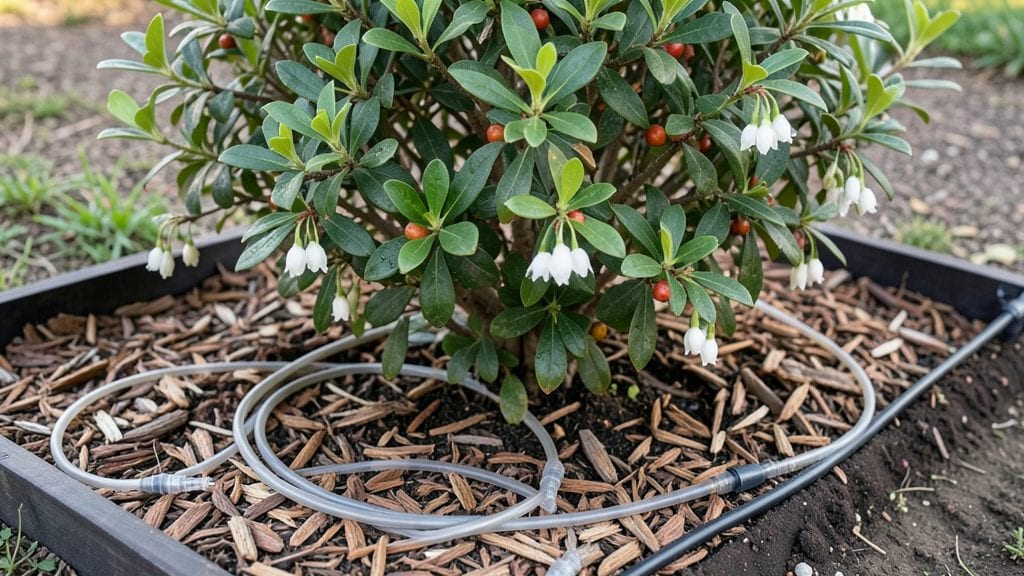
Gardening in Northern California thrives with drought-tolerant natives like California poppies and manzanita, paired with Mediterranean climates favoring olive trees and lavender. Summer dry heat and winter rains demand well-draining soil, mulching, and strategic watering to prevent root rot while supporting hardy succulents and citrus varieties.
Northern California's Mediterranean climate creates ideal conditions for plants that thrive on minimal water once established. 🌿 The key is matching species to your microclimate—coastal areas stay cooler and damper, while inland zones can hit 100°F+ in summer.
I’ve found that native plants like ceanothus and toyons not only survive but flourish with just 10-15 inches of annual rainfall, making them perfect for water-conscious gardeners. The secret lies in their deep root systems that access moisture underground while their waxy leaves reduce evaporation.
For container gardening or small spaces, consider herbs like rosemary and thyme—they’re drought-tolerant, fragrant, and handle the region’s temperature swings beautifully. The Central Valley presents unique challenges with its hot summers, so always prioritize afternoon shade for delicate plants.
My biggest lesson? Mulch is non-negotiable—it locks in moisture, regulates soil temperature, and keeps weeds at bay, saving both time and water in the long run.
💡 In This Article
- Northern California’s Unique Climate Zones and Plant Hardiness
- Top 10 Drought-Resistant Plants for Northern California Gardens
Northern California’s unique climate zones and plant hardiness
Northern California’s gardening success hinges on understanding its three distinct microclimates: the Coastal region, Central Valley, and Sierra Foothills. Each zone has unique temperature ranges, frost patterns, and moisture levels that dictate plant viability.
The Coastal area enjoys milder summers (75°F average) and cooler winters, while the Central Valley can hit 105°F+ in summer with sudden heat spikes. The Sierra Foothills experience more dramatic temperature swings, including late spring frosts that can damage tender plants.
The Mediterranean climate here—marked by wet winters and dry summers—favors plants adapted to seasonal dormancy.
Native species like toyon and manzanita thrive because their roots evolved to store water during droughts, while their leaves have waxy coatings to minimize evaporation. 🌵 These adaptations explain why Mediterranean plants like lavender and rosemary flourish: they’ve co-evolved with similar climates for millennia.
Even citrus trees, which need consistent moisture, benefit from the region’s winter rains, storing water in their deep root systems for summer use.
Frost dates are critical for plant selection. Coastal areas rarely drop below 32°F, allowing year-round gardening of tender plants like oleander. Meanwhile, inland valleys can see 28°F frosts in winter, requiring cold-hardy choices like California lilac (Ceanothus) or deer grass.
The key is matching plants to your last frost date—typically March 15 for coastal zones and April 1 for inland areas—while accounting for microclimates within your property (e.g., south-facing slopes warm faster).
Water needs vary dramatically: Coastal gardens may need 1-2 inches weekly in summer, while Central Valley plants often survive on half that due to intense heat. The solution? Mulching with 2-3 inches of wood chips retains moisture while suppressing weeds.
Drip irrigation systems deliver water directly to roots, reducing evaporation losses by up to 30% compared to overhead sprinklers. This precision is why native plants like yarrow and sage thrive with minimal intervention—they’re pre-adapted to the region’s water cycles.
Heat tolerance thresholds matter too. Most Mediterranean plants handle 95°F+ days, but succulents like agave can push 110°F with proper soil drainage. The secret is amending clay soils with compost and perlite to prevent waterlogging, which causes root rot.
I’ve seen firsthand how well-draining soil turns struggling plants into thrivers—even in the hottest inland zones. The texture difference is night-and-day: compacted soil bakes plants, while amended soil stays cool and moist at the roots.
For container gardening, prioritize self-watering pots with 1-inch drainage holes—they mimic the moisture control of native soils. Place pots on elevated stands to prevent heat absorption from pavement, which can raise root-zone temperatures by 10°F+.
This small adjustment can mean the difference between a wilting rosemary and a lush, fragrant bush. The lesson? Northern California’s climate rewards gardeners who work with its natural rhythms, not against them.