
Advice
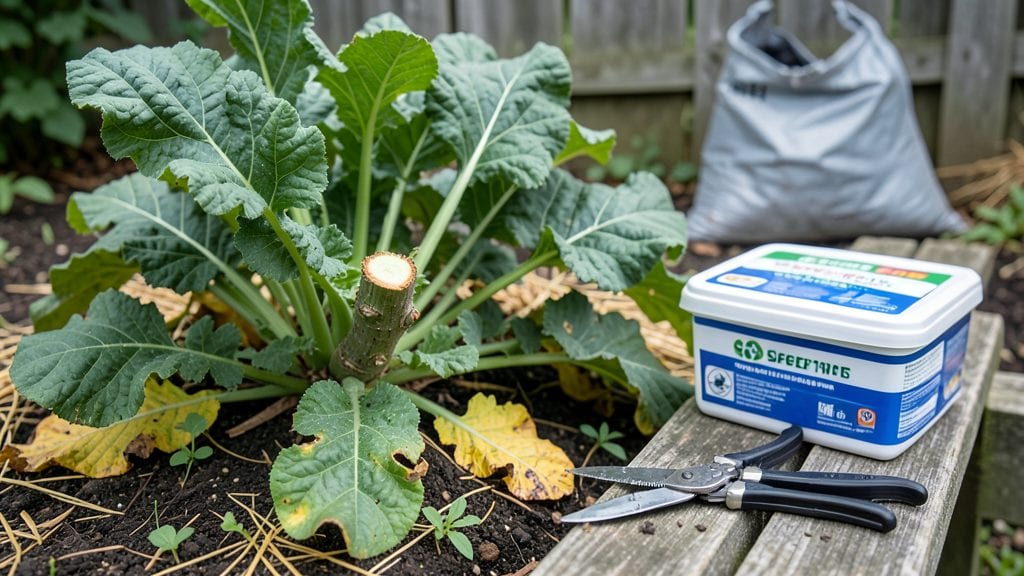
Gardening safety tips start with the simplest habit I learned after slicing my thumb open while pruning roses—always cut away from your body. That one mistake taught me how fast injuries happen when you're focused on the task, not the tools.
The right gloves, goggles, and tool maintenance can turn a dangerous day into a productive one without blisters, cuts, or worse.
I’ve tested everything from heavy-duty work gloves to lightweight gardening-specific ones, and the difference is night and day. Chemical safety is another game-changer: I now store fertilizers and pesticides in locked cabinets, and I double-check labels before mixing anything.
Even something as simple as wearing closed-toe shoes saves you from stepping on nails or sharp rocks.
Ergonomic tweaks—like using knee pads to avoid back strain or pruners with cushioned grips—make a huge difference over a season. My hands stay blister-free, and my back doesn’t scream at me by summer’s end. The goal isn’t just avoiding injuries; it’s making gardening feel effortless so you enjoy it more.
For families with kids or pets, clear boundaries around equipment and toxic substances are non-negotiable. A simple fence around the shed or a locked toolbox keeps curious paws out of trouble. Safety isn’t about fear—it’s about confidence, so you can dig, plant, and prune without hesitation.
Hidden Hazards Behind Garden Injuries
Gardening may seem like a peaceful pastime, but beneath its serene surface lurk several invisible risks that can lead to injuries—especially to your hands and skin. Understanding why these hazards exist helps you prepare smarter and stay safer. Let’s break down the science and mechanics behind common gardening dangers.
Most hand injuries in gardening stem from blunt-force trauma or lacerations, and the culprit is often poor tool maintenance or human error. Here’s why:
- Dull blades require more pressure to cut, increasing the risk of slippage (and deeper cuts).
A sharp tool glides through soil or plants with less resistance, reducing strain on your hands. - Science: A dull blade’s edge creates micro-tears in plant fibers and soil, making it harder to control.
This forces gardeners to grip tighter, increasing fatigue and slip risk. - Improper grip (holding tools too close to the blade or with sweaty palms) leads to loss of control.
Wet hands reduce friction by up to 40%, turning a simple prune into a high-risk maneuver. - Tool fatigue sets in after prolonged use, causing muscle tremors (especially in older adults). Even a small tremor can shift a trowel’s path by millimeters—enough to nick your finger.
Pro Tip: 💡 Wipe tool handles with a microfiber cloth before use to absorb sweat, and sharpen blades weekly (or after heavy use). A proper grip (firm but relaxed, 2–3 inches from the blade) keeps cuts clean and controlled.
Your skin isn’t just exposed to dirt—it’s under intense environmental stress that weakens its natural defenses. Here’s how heat and UV rays turn gardening into a dermatological minefield:
- UV radiation penetrates skin in 15–20 minutes of sun exposure, breaking down collagen and elastin (the proteins that keep skin resilient).
This makes hands more prone to cuts and abrasions, as the skin becomes 20–30% less elastic after prolonged sunbathing. - Science: UVB rays trigger oxidative stress, which depletes antioxidants (like vitamin E) in your skin.
Without these, minor scrapes take longer to heal and are more susceptible to infection. - Dehydration from sweating reduces skin turgor (its ability to snap back after stretching).
Dry, cracked hands are 3x more likely to tear when handling rough plants or tools. - Heat exhaustion causes vasodilation (widened blood vessels), making your hands feel numb or clumsy. This impairs fine motor skills, increasing the risk of pinch injuries or dropping tools on feet.
Pro Tip: ✨ Apply a broad-spectrum SPF 30+ sunscreen to hands 30 minutes before gardening, and reapply every 2 hours (or after sweating). Stay hydrated with electrolyte-rich drinks—dehydration worsens skin fragility faster than you think.
Soil isn’t just dirt—it’s a teeming ecosystem of bacteria, fungi, and parasites that can turn small cuts into serious infections. Here’s why your garden is a Petri dish:
- Fecal bacteria (like E. coli or Salmonella) thrive in soil enriched with compost or animal waste.
Even tiny micro-tears in skin can let these pathogens in, leading to cellulitis (a painful bacterial skin infection). - Science: A study in Journal of Occupational Health found that 68% of gardeners had detectable bacteria on their hands after working in unsterilized soil for 30+ minutes. - Fungal spores (e.g., Candida or dermatophytes) love moist, warm environments—like your gloves after a sweaty gardening session.
These can cause athlete’s foot-like rashes or subungual infections (under nails). - Plant sap irritants (e.g., poison ivy’s urushiol oil or citrus limonoids) trigger delayed allergic reactions. Even if you don’t feel it immediately, your skin’s immune response can cause blistering or swelling 12–48 hours later.
Pro Tip: 🧼 Wash hands with soap and water for at least 20 seconds after handling soil, especially before eating or touching your face. Wear nitrile gloves (not latex) when working with compost or unknown plants—nitrile blocks 98% of bacteria better than cotton.
Sometimes, the real danger isn’t the garden—it’s you. Poor posture, haste, and ignorance of your limits create risks you can’t see until it’s too late.
- Poor ergonomics (bending at the waist, twisting while lifting) strains lumbar muscles and reduces hand stability. This leads to jerky movements that increase cut risk by 50%. - Rushing disrupts hand-eye coordination, making it harder to judge tool placement.
A 3-second delay in reaction time (common when distracted) can turn a shallow dig into a deep gash. - Ignoring pain (e.g., early signs of carpal tunnel or tendonitis) weakens grip strength. Chronic strain reduces hand dexterity by 15–25%, making even simple tasks dangerous.
Pro Tip: 🎯 Take micro-breaks every 20 minutes to stretch wrists and shake out hands. Use ergonomic tools (like bendable-handled pruners) to reduce strain, and never ignore tingling or numbness—it’s your body’s warning sign.
Some plants actively fight back when disturbed, using physical or chemical defenses that can harm you:
- Thorns and spines (e.g., roses, cacti) are modified leaves or stems designed to pierce and inject irritants.
A single thorn can embed micro-serrations that make removal painful and increase infection risk. - Sap toxins (e.g., milkweed latex, foxglove cardiac glycosides) cause skin burns, nausea, or even cardiac stress if absorbed through cuts. - Stinging hairs (like those on nettles) contain formic acid, which triggers histamine release—leading to red, itchy welts that can crack if scratched.
Pro Tip: 🔥 Wear long sleeves and closed-toe shoes when handling spiky plants. Rinse sap immediately with mild soap and cold water—hot water can open pores, making absorption worse.
Quick Fixes for Common Gardening Hazards
Gardening is rewarding, but it’s also full of hidden risks—from blistered hands to unexpected cuts. The good news? Most issues have simple, fast solutions. Below, we’ll match common problems with their fixes, plus prevention tips to keep your green thumb (and skin) safe.
Cause: Sharp shears, pruners, or trowels slip when handling tough plants, rocks, or soil.
Fix It Fast:
- Stop the Bleeding: Rinse the wound under cool water, then apply gentle pressure with a clean cloth or bandage. For deeper cuts, use a sterile gauze pad (💡 keep one in your gardening apron pocket).
- Clean It: Scrub the area with mild soap and water, then dab on hydrogen peroxide or rubbing alcohol to prevent infection.
- Protect It: Cover with an antibacterial ointment (like Neosporin) and a breathable bandage (e.g., Curad’s Flexz Bandages). Change daily until healed.
Prevent Future Cuts: ✔ Sharpen tools regularly—dull blades require more force and are riskier. Use a file or sharpening stone every few uses. ✔ Grip tools correctly: Hold pruners away from your body and fingers clear of the blade’s path. For tough branches, use gloves with reinforced palms. ✔ Store tools safely: Keep blades point-down in a tool roll or stand to avoid accidental pokes.
Cause: Overexposure to UV rays or dry, windy conditions strips your skin’s natural moisture barrier.
Fix It Fast:
- Cool It Down: Rinse skin with cool (not icy) water, then pat dry gently.
- Soothe the Burn: Apply aloe vera gel (store-bought or fresh from a plant) for hydration and anti-inflammatory relief. For redness, try a hydrocortisone cream (1%) (💡 ask a pharmacist for recommendations).
- Hydrate Inside Out: Drink extra water and eat omega-3-rich foods (salmon, flaxseeds) to help skin repair.
Prevent Future Burns: ✔ Layer UP: Wear a long-sleeve shirt, hat with a brim, and UV-blocking sunglasses. Opt for UPF-rated clothing (like Coolibar) for extra protection. ✔ Reapply sunscreen every 2 hours—even on cloudy days! Use a broad-spectrum SPF 30+, focusing on ears, neck, and hands (often forgotten spots). ✔ Work during shade: Schedule tasks for early morning or late afternoon to avoid peak sun (10 AM–4 PM).
Cause: Repeated friction from tools (like rakes or shovels) or gripping too tightly causes painful blisters.
Fix It Fast:
- Pop It (Carefully): If the blister is large and painful, sterilize a needle with rubbing alcohol, then gently puncture the side (not the top). Drain fluid, leave the skin intact, and apply antibacterial ointment.
- Protect It: Cover with a moleskin pad or hydrocolloid bandage (like Band-Aid Blister Cushions) to absorb moisture.
- Soak & Heal: Soak hands in lukewarm Epsom salt water (1 tbsp salt per cup of water) for 10 minutes to reduce swelling.
Prevent Future Blisters: ✔ Grip tools correctly: Hold handles with fingers spread (not a death grip) to reduce sweat and friction. Use ergonomic grips (like those on Fiskars tools). ✔ Wear moisture-wicking gloves: Choose gardening gloves with padded palms (like Felco or Southfork) or cotton-lined gloves to absorb sweat. ✔ Take breaks: Every 30 minutes, stretch your hands and switch to a different tool to vary pressure points.
Cause: Accidental skin contact with concentrated chemicals (like herbicides or fungicides) or inhaling fumes.
Fix It Fast:
- Rinse Immediately: Use lukewarm water (not hot) to flush the skin for 15–20 minutes. Avoid scrubbing—it can worsen irritation.
- Neutralize the Burn: For acid burns (like vinegar-based sprays), rinse with baking soda solution (1 tsp in 1 cup water). For alkaline burns, use white vinegar solution (1 part vinegar to 3 parts water).
- Soothe the Skin: Apply aloe vera or a gentle lotion (like CeraVe) to hydrate. For severe burns, seek medical help.
Prevent Future Exposure: ✔ Wear protective gear: Always use nitrile gloves, long sleeves, and safety goggles when handling chemicals. Never mix products—follow label instructions precisely. ✔ Work in a well-ventilated area: Open windows or use a fan to circulate air. Avoid spraying on windy days. ✔ Store chemicals safely: Keep them in original containers, labeled clearly, and locked away from kids/pets. Never reuse spray bottles for food items!
Cause: Bees, wasps, mosquitoes, or ants react to your movements or scents, leaving itchy welts.
Fix It Fast:
- Remove the stinger (if present): Scrape it out with a credit card or fingernail—never squeeze (it releases more venom).
- Reduce swelling: Apply a cold compress (ice wrapped in a cloth) for 10 minutes. For itching, try calamine lotion or hydrocortisone cream.
- Natural relief: Mix baking soda + water into a paste and apply to the bite. Oatmeal baths also soothe multiple bites.
Prevent Future Bites: ✔ Dress smart: Wear light-colored, long-sleeved clothing and close-toed shoes. Avoid perfumed lotions or scented shampoos (they attract bugs). ✔ Use repellent strategically: Apply EPA-approved bug spray (like those with picaridin or DEET) to exposed skin and clothing. Reapply every 4–8 hours. ✔ Disrupt nesting sites: Keep bird feeders clean, seal trash cans, and remove standing water (mosquito breeding grounds). For bees, avoid swatting—walk away calmly.
Cause: Poor posture, gripping tools too tightly, or carpal tunnel strain from repetitive motions.
Fix It Fast:
- Stretch it out: Gently wiggle your fingers, then extend your arm straight and pull fingers back toward your body (hold for 10 seconds).
- Massage the area: Use ice for 5 minutes to reduce inflammation, then rub a heating pad (or warm towel) over the cramp.
- Hydrate & electrolytes: Sip water with a pinch of salt or coconut water to replenish minerals lost through sweat.
Prevent Future Cramps: ✔ Adjust your stance: Keep your wrists straight (not bent) when using tools. Use ergonomic handles (like those on Radial shovels). ✔ Take micro-breaks: Every 15 minutes, shake out your hands and rotate your wrists in circles. ✔ Strengthen grip muscles: Do hand exercises daily—squeeze a stress ball or rubber bands between fingers to build endurance.
Frequently asked questions
What are the most essential protective gear items for gardening?
Start with nitrile gloves (not latex) to block bacteria and chemicals, closed-toe shoes to protect feet from sharp objects, and UV-blocking sunglasses. For chemical tasks, add a respirator mask and long sleeves. A lightweight gardening apron with pockets keeps first-aid supplies handy.
How do I safely handle garden chemicals without skin irritation?
Always wear nitrile gloves and long sleeves, and work in a well-ventilated area. Never mix products—follow label instructions precisely. Rinse your skin immediately with lukewarm water if contact occurs, and avoid using hot water, which can open pores. Store chemicals in original containers and lock them away from kids/pets.
What’s the best way to prevent hand blisters while gardening?
Use moisture-wicking gloves with padded palms (like Felco or Southfork) and grip tools with fingers spread, not a death grip. Take micro-breaks every 30 minutes to stretch your hands, and switch tools to vary pressure points. Apply petroleum jelly to high-friction areas before starting.
Are there specific plants that require extra caution when handling?
Yes! Poison ivy, oleander, and milkweed can cause severe skin reactions. Wear long sleeves and gloves when pruning, and rinse skin immediately with cold water and mild soap if exposed. Avoid touching your face until you’ve washed thoroughly. For sap exposure, use baking soda paste to neutralize irritants.
How can I make gardening safer for kids or pets?
Set up a designated play area away from tools and chemicals, and use childproof locks on sheds or toolboxes. Teach kids to ask before touching plants and supervise them closely around water sources (mosquito breeding grounds). Keep pet-safe plants in their reach and avoid toxic fertilizers. Always wash hands after gardening to remove bacteria.