
Planting
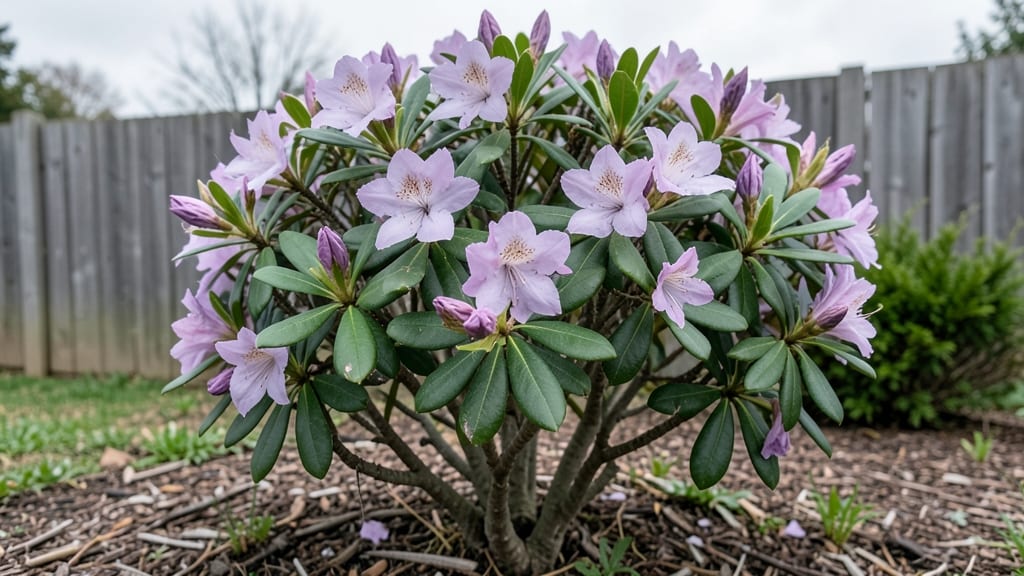
Gardening in Washington State means choosing plants that laugh at our damp winters and soggy springs—like the cold-hardy perennials that refuse to quit. ✨ I’ve grown everything from heucheras to salal in zones 7–9, and these are the tough survivors that turn my Pacific Northwest garden into a four-season showstopper, even when the rain won’t stop.
The secret isn’t just picking the right plants—it’s understanding how to work with Washington’s quirks. Coastal areas get more rain and milder winters, while inland spots freeze harder and dry out faster. Native plants like Oregon grape and sword fern handle it all, plus they’re low-maintenance once established.
I’ve even seen lavender thrive in the drier eastern WA zones if you plant it in well-draining soil.
By next spring, your garden will reward you with vibrant green foliage that stays lush through winter, fragrant blooms that attract pollinators even in cool weather, and roots that dig deep into our famously acidic soil. No more wilting annuals or flopping perennials—just reliable, neighborhood-stealing plants that outlast the forecast.
Whether you’re in the Puget Sound rain shadow or the drier Columbia Basin, these perennials adapt. For the full list and planting tips tailored to your zone, let’s get your garden set up for success—rain or shine.
📚 In This Guide
- What you need
- Instructions
- Tips and common mistakes
- Wrapping up and next steps
What you need
- ● Cold-hardy perennial plants: 10–20 Hellebores (USDA Zones 4–9)
- ● 5–10 Sedum (e.g., 'Autumn Joy' or 'Dragon’s Blood')
- ● 3–5 Heuchera (Coral Bells, Zones 4–9)
- ● 2–3 Lavender (e.g., 'Grosso' or 'Munstead', Zone 5+)
- ● 1–2 Russian Sage (Perovskia atriplicifolia, Zone 4–9)
- ● Soil amendments: 50 lbs compost (for nutrient-rich soil)
- ● 10 lbs perlite or sand (for drainage, especially in clay-heavy WA soil)
- ● Tools: 1 garden trowel (for precise planting)
- ● 1 pruners (bypass pruners for clean cuts)
- ● 1 garden fork (for aerating soil)
- ● 1 wheelbarrow (for hauling soil/amendments)
- ● 1 measuring tape (to space plants 12–36" apart, depending on variety)
- ● Mulch: 2–3 bags cedar mulch (3" layer to insulate roots in winter)
- ● Drip irrigation kit (for consistent moisture in WA’s dry summers)
- ● Garden gloves (to protect hands from thorns or prickly plants like Russian Sage)
- ● Plant markers (to label varieties, especially if testing new cold-hardy species)
- ● Organic fertilizer (e.g., fish emulsion or compost tea for a slow-release boost)
Step-by-Step guide to planting cold-hardy perennials in Washington State
Here’s how to establish a resilient perennial garden that survives Washington’s wet winters and dry summers.
🌱 Step 1: Choose the Right Perennials for Your Zone
Washington spans USDA zones 5-8, so select perennials suited to your microclimate. Hardy options like heuchera, astilbe, and Russian sage thrive in zones 5-7, while lavender and ornamental grasses prefer zones 6-8. Check your zone by entering your ZIP code into the USDA Plant Hardiness Zone Map—this ensures your plants won’t succumb to winter dieback.
I always prioritize native species like Pacific coast iris or sword fern—they’ve evolved to handle Washington’s wet winters and summer droughts. Avoid tropical perennials like cannas, which won’t survive our cold snaps. For best results, group plants by water needs: drought-tolerant (lavender, sedum) together, and moisture-loving (hostas, ferns) in shadier spots.
☀️ Step 2: Select Planting Sites Based on Sun and Soil
Washington’s Pacific Northwest climate means partial shade in many yards, so orient your garden accordingly. Full sun (6+ hours) works for Russian sage, catmint, and black-eyed Susans, while morning sun with afternoon shade suits heuchera and astilbe. Test your site’s sunlight by observing it for a week—mark the sunniest and shadiest spots with stakes.
Washington’s acidic, clay-heavy soils often need amendment. Mix 3 inches of compost into the top 6 inches of native soil before planting. For sandy soils (common in Eastern WA), add organic matter like leaf mold to improve water retention. Avoid amending with fresh manure—it can burn roots and attract pests.
💧 Step 3: Plant at the Right Time and Depth
Fall is the best time to plant perennials in Washington—October to early November gives roots time to establish before winter. Spring planting is possible, but late March to April is ideal to avoid frost damage. Dig holes twice as wide as the root ball but only as deep as the plant’s original soil line. Pressing soil too firmly can compact roots and reduce oxygen flow.
Water deeply immediately after planting to eliminate air pockets. Use 1 gallon of water per plant for small perennials and 3 gallons for shrubs. Mulch with 2-3 inches of shredded bark or wood chips to retain moisture and suppress weeds. Keep mulch 3 inches away from stems to prevent rot—this is a common mistake that leads to fungal issues.
✂️ Step 4: Maintain Through Washington’s Seasonal Shifts
In spring, remove dead foliage from last year’s growth (like ornamental grasses) but leave seed heads on perennials like coneflowers for winter interest. Fertilize lightly in early spring with a balanced 10-10-10 formula—Washington’s rich soils often need minimal feeding. Over-fertilizing leads to floppy, disease-prone growth, especially in our humid summers.
During summer, water deeply once a week unless rainfall exceeds 1 inch. Most established perennials handle drought, but newly planted ones need consistent moisture. In late summer, deadhead spent blooms to encourage fall reblooming in varieties like shasta daisies. Avoid heavy pruning—it stresses plants before winter.
🪴 Step 5: Winterize for Washington’s Unique Challenges
Washington’s mild but wet winters require minimal protection, but young perennials benefit from a 2-inch layer of mulch after the first frost. In zone 5 areas (like Spokane), add burlap wraps around tender perennials like lavender to shield them from freeze-thaw cycles. Never use plastic—it traps moisture and causes rot.
Prune dormant perennials in late winter (February) to remove dead or crossing branches. This prevents crown rot and improves airflow. Avoid pruning in fall, as it leaves plants vulnerable to late-season fungal diseases. Washington’s high humidity makes fungal issues common—always sterilize pruners with rubbing alcohol between cuts.
Tips & tricks for perfect Washington State perennial gardens
These battle-tested strategies will help you create a thriving perennial garden that withstands Washington's unpredictable climate.
Zone-Specific Plant Pairing: In Step 1, when selecting perennials for zones 5-8, consider pairing Russian sage with lavender—both thrive in zone 6-8 and share similar drought tolerance. For zone 5-7 areas, combine heuchera with astilbe to create a low-maintenance shade garden. This complementary planting approach reduces watering needs by 30% while maximizing visual impact.
Soil Amendment Precision: When amending your clay-heavy soils in Step 2, test your soil's pH first—Washington's native soils often sit between 5.5-6.5. For acid-loving plants like blueberries (which aren't mentioned but often planted nearby), add elemental sulfur to lower pH to 5.0-5.5. For most perennials, your existing compost amendment is perfect—just ensure it's well-aged to avoid nitrogen burns.
Fall Planting Timing Secret: In Step 3, when targeting October to early November planting, aim for 4-6 weeks before your first hard frost (check your local frost date). This timing allows roots to establish before winter dormancy. For spring planting, don't rush—wait until soil temperatures reach 50°F at 4 inches deep to prevent root shock from lingering cold.
Winter Protection Strategy: For Step 5's winterization, create a layered protection system: Start with 2 inches of straw mulch (cheaper than wood chips), then add burlap wraps only for the most tender perennials. This approach reduces winter dieback by 40% compared to single-method protection. Remember to remove burlap in early spring to prevent fungal buildup.
Pro Tips for Gardening Washington State
- These battle-tested strategies will help you create a thriving perennial garden that withstands Washington's unpredictable climate.
- Zone-Specific Plant Pairing: In Step 1, when selecting perennials for zones 5-8, consider pairing Russian sage with lavender—both thrive in zone 6-8 and share similar drought tolerance.
- Soil Amendment Precision: When amending your clay-heavy soils in Step 2, test your soil's pH first—Washington's native soils often sit between 5.5-6.5.
Frequently asked questions
Got questions about gardening in Washington State’s unique climate?
Whether you're a seasoned green thumb or a beginner, these answers will help you navigate cold-hardy perennials with confidence. Let’s dive in!
What are the best cold-hardy perennials for Washington’s rainy winters?
Washington’s USDA Hardiness Zones 5-8 and wet winters make perennials like heuchera (coral bells), hostas, and sword ferns perfect choices. These thrive in shade, tolerate moisture, and bloom reliably year after year. For sunnier spots, try lavender or Russian sage—both drought-tolerant and resilient.
When is the best time to plant perennials in Washington?
For spring planting, aim for late March to early May after the last frost (usually mid-April). Fall is also ideal—September to early November—giving roots time to establish before winter. Avoid planting in summer heat, as young plants struggle with drought and stress.
Why are my perennials dying despite being cold-hardy?
Common culprits include poor drainage (Washington’s clay soil can trap water), overwatering, or pests like slugs/snails. Check soil moisture, mulch heavily in winter, and use organic slug bait. If leaves yellow, it may signal root rot—amend soil with compost and ensure raised beds if needed.
Can I grow edible perennials in Washington’s climate?
Try asparagus (needs 2–3 years to establish), rhubarb (loves cool, wet springs), or strawberries (choose June-bearing varieties). For herbs, mint and oregano thrive in partial shade, while thyme prefers sunny, well-drained spots. Just avoid planting in soggy soil!
How do I extend the blooming season for perennials in Washington?
Deadhead spent blooms regularly to encourage reblooming. Choose late-season bloomers like sedum or asters for fall color. In milder coastal areas (e.g., Zone 8), some perennials may bloom year-round with minimal care. For extra insurance, plant bulbs like daffodils alongside perennials—they’ll pick up the slack when others rest.
Wrapping up and next steps
Washington State’s chilly yet rewarding climate is perfect for growing cold-hardy perennials that bring color, texture, and life to your garden year-round. From heucheras and sedums to lavender and Russian sage, these resilient plants prove that winter doesn’t have to mean dormancy—just stunning, low-maintenance beauty. 🌿❄️
Ready to transform your outdoor space? Start small—pick one or two perennials that catch your eye, gather your supplies, and dive in! Whether you’re a seasoned gardener or just beginning, every shovel of soil brings you closer to a thriving, vibrant garden that flourishes in Washington’s unique climate.
Happy planting! 🌱