
Planting
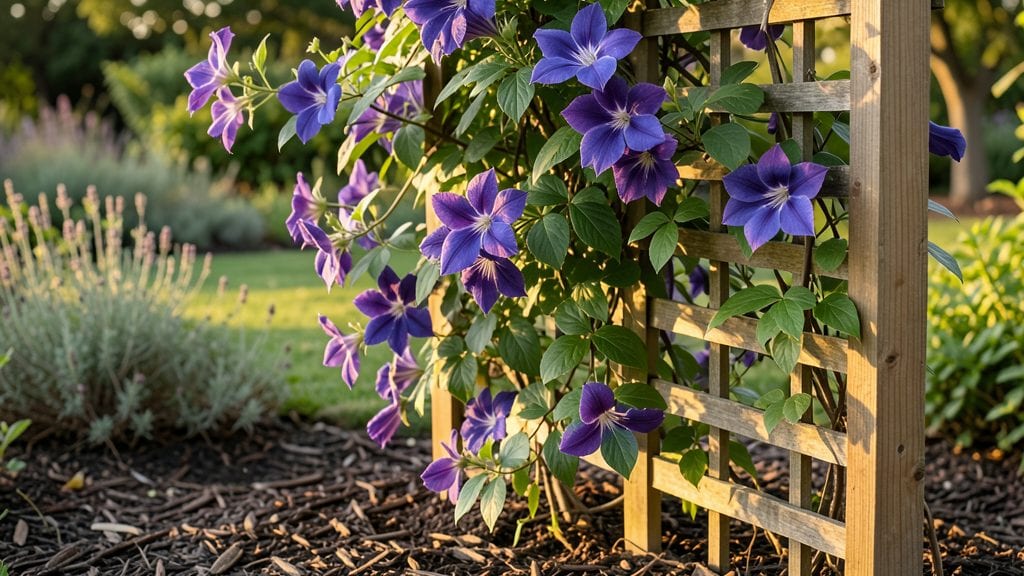
Gardening in Zone 5A means embracing plants that laugh off frost and bounce back every spring. 🌱 I learned the hard way—planting tender annuals too early led to a sad, half-dead garden by May.
But once I switched to cold-hardy perennials like coneflowers, Russian sage, and hardy geraniums, my garden became low-maintenance and stunning from June through October.
Zone 5A runs from mid-October to mid-April for average frost dates, but microclimates—like south-facing slopes or sheltered corners—can push those windows by 2-3 weeks. The key is choosing perennials that handle 10-20°F temps, like catmint, black-eyed Susans, and even some fruit trees.
These plants don’t just survive winter; they come back stronger each year.
You’ll end up with a garden that stays vibrant even when neighbors are still wrestling with frost-damaged plants. The trade-off? Fewer deadheading chores and zero replanting costs. Plus, once established, these perennials need far less water than annuals, making them perfect for busy gardeners or dry spells.
For those first few cold snaps, use row covers or mulch to protect tender new growth. And if you’re itching to grow veggies, try cold-hardy greens like kale or spinach—both handle light frosts and keep producing until late fall.
The secret? Plan ahead, and your garden will outlast the cold.
📚 In This Guide
- What you need
- Instructions
- Tips and common mistakes
- Wrapping up and next steps
What you need
- ● Perennials (Zone 5A-hardy): 5–10 Echinacea (Coneflower) plants (drought-tolerant, attracts pollinators)
- ● 3–5 Hosta (shade-loving, low-maintenance)
- ● 3 Daylilies (Hemerocallis) (tough, vibrant blooms)
- ● 1 Russian Sage (Perovskia) (drought-resistant, fragrant)
- ● 3 Black-Eyed Susans (Rudbeckia) (sun-loving, long-lasting)
- ● Soil Amendments: 5–10 lbs compost (improves drainage and nutrients)
- ● 2–3 lbs organic mulch (e.g., shredded bark or straw)
- ● Tools: 1 garden trowel (for transplanting)
- ● 1 pruning shears (sharp, bypass-style)
- ● 1 garden fork (for aerating soil)
- ● 1 watering can or hose (with adjustable nozzle)
- ● 1 gloves (gardening-grade, durable)
- ● 1 soil pH test kit (to ensure optimal growing conditions)
- ● 1 plant support stakes (for taller perennials like Echinacea)
- ● 1 drip irrigation system (for consistent moisture)
- ● 1 fertilizer (slow-release, organic) (e.g., 10-10-10 or compost tea)
- ● 1 garden journal (to track plant progress and care notes)
Step-by-Step guide to planting cold-hardy perennials in zone 5A
Here’s how to establish a resilient perennial garden that survives harsh winters and thrives in spring.
🌱 Step 1: Select the Right Perennials for Zone 5A
Focus on native or cold-acclimated varieties like coneflowers, black-eyed Susans, Russian sage, and hostas. These plants have evolved to handle -15°F to -20°F winters and often return stronger each year. Avoid tender perennials like lavender or salvia, which struggle below 0°F.
Check the USDA Plant Hardiness Zone Map for your exact microclimate—even within Zone 5A, a sheltered south-facing bed may support slightly less hardy plants. I always cross-reference with local nursery recommendations to ensure success.
🪴 Step 2: Prepare the Soil in Early Spring
Test your soil’s pH and amend it to a neutral 6.0–7.0 range, ideal for most perennials. Work in 2–3 inches of compost (like the 5 gallons of organic compost you’ll need) to improve drainage and fertility. Perennials hate soggy roots, so avoid heavy clay by mixing in 1 part perlite to 3 parts soil if needed.
Loosen the soil to a depth of 12–15 inches with a broadfork or tiller. This encourages deep root growth, which helps plants withstand winter stress. Water the amended soil thoroughly before planting to help it settle.
☀️ Step 3: Plant at the Right Time and Depth
Plant bare-root perennials in early spring (as soon as soil is workable) or early fall (6–8 weeks before first frost). Dig holes twice as wide as the root ball but only as deep as the top of the root system—planting too deep suffocates roots. Space plants according to their mature size (e.g., 18–24 inches apart for coneflowers).
Backfill with native soil (not amended mix) to avoid disturbing roots, then water deeply to eliminate air pockets. Mulch with 2–3 inches of shredded bark or leaves to retain moisture and protect roots from extreme temps. I always label plants immediately—spring growth can be a blur!
💧 Step 4: Water and Mulch for Winter Resilience
Established perennials need 1 inch of water per week during the growing season, but deep soakings every 10–14 days in late summer encourage root hardening. Reduce watering in fall to let roots toughen before winter. Apply a 3–4 inch layer of mulch (like the 4 bags of straw mulch) in late fall to insulate roots from freezing-thaw cycles.
In Zone 5A, winter dieback is normal—don’t panic if stems blacken. Cut back dead foliage in early spring (just before new growth appears) to prevent disease. Healthy roots will push through the soil within 2–3 weeks, signaling successful overwintering.
✂️ Step 5: Prune and Fertilize for Long-Term Health
Prune back one-third of the oldest stems in early spring to rejuvenate growth. Apply a balanced 10-10-10 fertilizer (like the 1 pound of slow-release granules) in early spring and again in mid-summer for continuous blooms. Perennials in Zone 5A often bloom earlier and longer than in warmer zones—take notes on your first-year blooming patterns!
Divide clumps every 3–4 years in early spring or fall to prevent overcrowding. This keeps plants vigorous and prevents disease. I always divide hostas and daylilies in fall when foliage yellows naturally—it’s less stressful than spring division.
Tips & tricks for thriving cold-hardy perennials in zone 5A
These tried-and-tested strategies will help your Zone 5A perennials not just survive, but flourish through even the harshest winters.
The Hardiness Factor: When selecting plants, pay special attention to the -15°F to -20°F range mentioned in Step 1—these temperatures are what truly separate the hardy from the tender. I've found that native plants like coneflowers and black-eyed Susans often have hidden cold tolerance beyond their official ratings, especially when established for 2-3 years. For extra insurance, choose varieties with fuzzy or hairy foliage—they naturally insulate against cold better than smooth-leaved plants.
Soil Science: The 6.0–7.0 pH range specified in Step 2 is critical, but don't stop there—consider adding 1 part sulfur to every 3 parts soil if your test shows pH above 7.5. Perennials in Zone 5A often struggle with alkaline soils, and this simple adjustment can make all the difference. I also recommend testing for organic matter content—aim for at least 5% organic matter to support those deep roots we're encouraging with the 12–15 inch soil loosening.
Planting Precision: The 6–8 weeks before first frost window for fall planting is tighter than it seems. I've learned the hard way that planting too early can encourage new growth that gets nipped by early frosts. Use your local frost date as a starting point, then count backward while accounting for your specific microclimate—south-facing beds can handle slightly later plantings. For the 2–3 inch mulch mentioned in Step 3, I prefer shredded hardwood bark over leaves—it breaks down more slowly and provides better insulation.
Winter Survival Strategy: That 3–4 inch mulch layer in late fall is your plants' best defense against temperature swings. The key is to apply it after the ground freezes but before heavy snowfall. I've seen dramatic differences in survival rates when mulch is applied at the right time—plants mulched too early can develop fungal issues from trapped moisture, while those mulched too late suffer from freeze-thaw damage. For extra protection, consider adding a 4–6 inch layer of straw over the mulch during the coldest months.
Pro Tips for Gardening Zone 5a
- These tried-and-tested strategies will help your Zone 5A perennials not just survive, but flourish through even the harshest winters.
- The Hardiness Factor: When selecting plants, pay special attention to the -15°F to -20°F range mentioned in Step 1—these temperatures are what truly separate the hardy from the tender.
- Soil Science: The 6.0–7.0 pH range specified in Step 2 is critical, but don't stop there—consider adding 1 part sulfur to every 3 parts soil if your test shows pH above 7.5.
Frequently asked questions
Got questions about gardening in Zone 5A? You’re not alone!
Here are some of the most common concerns—and straightforward answers—to help you grow with confidence.
What are the biggest challenges of gardening in Zone 5A?
Zone 5A’s short growing season (typically 140–160 frost-free days) and cold winters (avg. -15°F to -10°F) demand careful planning. The biggest hurdles? Late spring frosts (wait until mid-May to plant warm-season crops) and soil thawing slowly in spring. Use row covers or cold frames to extend the season and choose perennials with deep roots for better cold resilience.
When is the best time to plant perennials in Zone 5A?
For spring planting, aim for early April to mid-May once the soil is workable (60°F+). Fall planting (September–October) gives roots time to establish before winter. Bulbs and tubers can go in as early as late August—just cover them with mulch to protect against early frosts. Pro tip: Divide perennials in early spring or fall for healthier growth!
How do I protect perennials from harsh Zone 5A winters?
Most cold-hardy perennials (like coneflowers, lavender, and Russian sage) survive Zone 5A winters with minimal intervention. For extra protection:
- Apply 3–4 inches of mulch (straw, leaves, or shredded bark) after the first frost.
- Use burlap wraps or cloche tunnels for tender perennials.
- Avoid wet mulch—it can rot stems. Keep it dry!
Can I grow vegetables in Zone 5A, or should I stick to perennials?
Zone 5A supports both perennials and veggies—just choose fast-maturing varieties (e.g., bush beans, kale, or radishes) for short seasons. Extend your harvest with:
Don’t panic! Common culprits:
Perennial veggies (asparagus, rhubarb) thrive long-term with minimal effort!
My Zone 5A perennials died over winter—what went wrong?
Test your soil (pH 6.0–7.0 is ideal) and adjust with lime or sulfur if needed.
Wrapping up and next steps
Gardening in Zone 5A doesn’t mean sacrificing beauty or variety—it’s all about choosing the right cold-hardy perennials that return year after year with resilience and charm! From coneflowers to hostas, these plants prove that even the chillest climates can yield vibrant, low-maintenance gardens.
Whether you’re a beginner or a seasoned green thumb, Zone 5A offers endless possibilities for creating a thriving outdoor space.
Ready to dive in? Start small—pick one or two perennials from this list, plant them in well-draining soil, and give them the care they need. Before you know it, your garden will be a blooming testament to Zone 5A’s gardening magic! 🌱✨