Planting
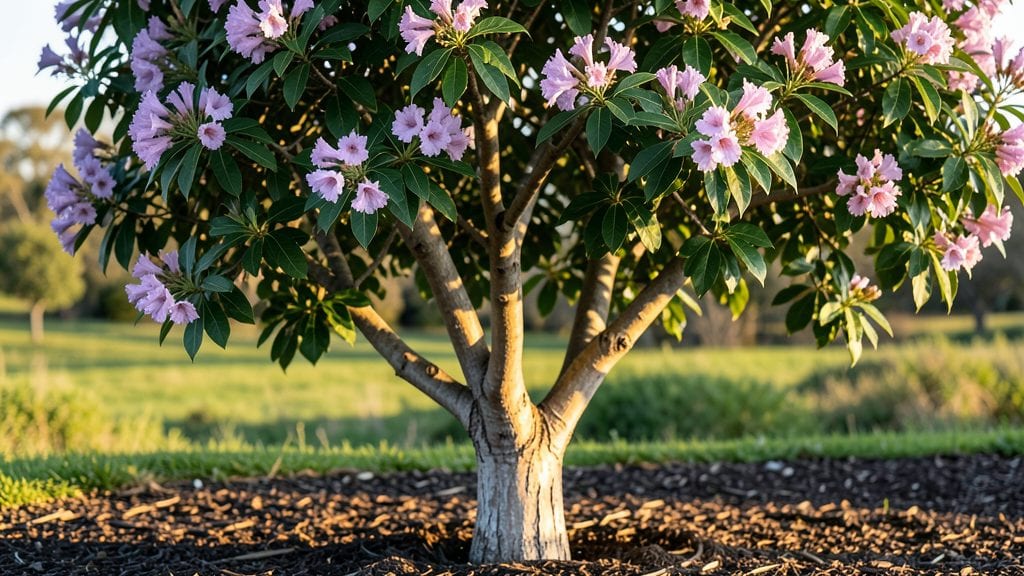
Gardening in Zone 8 offers ideal conditions for year-round plant growth, with mild winters and long growing seasons. Focus on drought-tolerant perennials like lavender, succulents such as agave, and citrus trees like Meyer lemons for low-maintenance success, while avoiding frost-sensitive tropicals.
Zone 8's mild climate—where winters rarely drop below 10°F and summers stay warm—creates a perfect playground for hardy plants that thrive without constant fuss. 🌿 The key is matching plants to your specific microclimate, whether that's coastal humidity or inland dryness.
For example, bougainvillea and rosemary love the heat, while Meyer lemons need just a bit of winter protection. I always recommend starting with native plants—they've already adapted to your local conditions, meaning less work for you and more blooms for your garden.
This zone's extended growing season also lets you experiment with two-crop rotations, like planting lettuce in early spring and again in fall. The trick is balancing water needs—succulents like agave can handle drought, while citrus trees prefer consistent moisture.
With the right plant choices, you'll spend less time stressing over dead zones and more time enjoying your outdoor space.
💡 In This Article
- Understanding Zone 8 Climate and Plant Hardiness
- Top Low-Maintenance Plants for Zone 8 Gardens
Understanding Zone 8 climate and plant hardiness
Zone 8's climate is defined by its mild winters (typically 10°F to 30°F) and hot summers (often exceeding 80°F), creating a near-tropical environment that extends growing seasons to 270-300 days annually.
The USDA's plant hardiness map categorizes this zone based on the average annual minimum temperature, meaning plants here rarely face freezing temperatures that would damage tender tropical species.
This extended warmth allows for year-round gardening, but it also demands careful selection of plants that can handle both summer heat and occasional winter chills.
The frost-free period in Zone 8 typically spans 210-270 days, giving gardeners the flexibility to grow warm-season crops like tomatoes and peppers nearly year-round. Coastal areas within this zone often experience higher humidity (60-80%) due to ocean influence, while inland regions can be drier (40-60%).
Soil types vary widely—coastal gardens often have sandy, well-draining soils, while inland areas may feature clay-heavy or loamy textures. These variations explain why some plants thrive in one microclimate but struggle just miles away.
For instance, bougainvillea flourishes in dry, hot conditions but may wilt in humid coastal gardens without proper airflow.
Here's what's actually happening with plant hardiness: The 10°F threshold represents the coldest temperature a plant can survive for a short duration. Most Zone 8 plants have adapted to brief cold snaps by entering dormancy, where metabolic processes slow dramatically to conserve energy.
For example, citrus trees like Meyer lemons can tolerate 20°F for short periods but suffer damage below 15°F. This is why winter protection—like wrapping trees in burlap or using frost cloth—can extend their lifespan by 3-5 years in marginal areas.
The summer heat (often 90°F+) presents another challenge, as many plants struggle with heat stress above 85°F. Drought-tolerant species like lavender and agave have evolved thick, waxy leaves to reduce water loss, while others like rosemary release essential oils that act as natural sunscreens.
Mulching with 2-3 inches of organic material (like wood chips) helps retain soil moisture and maintain even temperatures, reducing stress on roots during heatwaves.
The key factor is matching plant water needs to your local climate—succulents need water every 2-3 weeks, while citrus trees prefer weekly deep watering during summer.
Soil composition plays a critical role in plant health. Sandy soils drain quickly but lack nutrients, while clay soils retain moisture but can suffocate roots. Amending with compost or aged manure improves structure and fertility, creating an ideal balance.
For example, adding 1-2 inches of compost annually can boost soil organic matter by 10-15%, enhancing water retention and microbial activity. This simple step can transform struggling plants into thriving specimens, especially in nutrient-poor native soils common to many Zone 8 regions.
What most people don't realize is how microclimates within Zone 8 can create entirely different growing conditions. A north-facing wall might stay 5-10°F cooler than the surrounding area, allowing you to grow tender plants like basil or eggplants that wouldn't survive in full sun.
Similarly, a south-facing slope can be 10°F warmer than the valley below, extending the growing season for heat-loving crops. Understanding these nuances lets you create diverse plant communities in even small spaces, maximizing both beauty and productivity.