
Planting
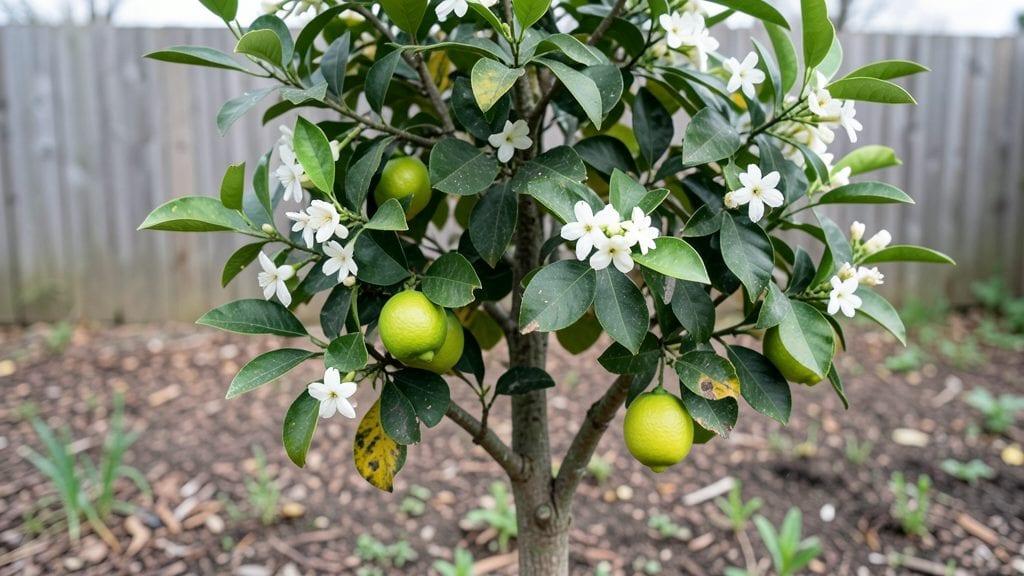
Gardening in Zone 9a thrives with heat-tolerant plants like citrus, bougainvillea, and okra, while avoiding frost-sensitive varieties. The mild winters and long summers allow year-round planting, with peak growing seasons from March to November. Start seeds indoors in late winter for early spring transplants, and prioritize drought-resistant species to conserve water.
Zone 9a's unique climate—with its warm winters and scorching summers—makes it perfect for growing sun-loving plants that would wilt in cooler regions. 🌞 The key is selecting varieties that handle both heat and occasional dry spells, like rosemary, hibiscus, or even tropical favorites such as bird of paradise.
Many gardeners here take advantage of the extended growing season by planting cool-weather crops like lettuce in late fall or early spring, while summer brings in heat-resistant veggies like sweet potatoes and eggplant.
One of my favorite tricks for Zone 9a gardeners is using mulch to retain moisture during those long, dry spells. A thick layer of organic mulch not only keeps roots cool but also reduces watering needs by up to 50%.
Plus, the soil stays loose and fertile longer, which is a game-changer when you're dealing with sandy or clay-heavy soils common in this zone.
💡 In This Article
- Understanding Zone 9a Climate and Plant Hardiness
- Best Seasonal Planting Schedule for Zone 9a Gardens
Understanding Zone 9a climate and plant hardiness
The USDA Plant Hardiness Zone Map divides North America into 13 zones based on average annual minimum winter temperatures. Zone 9a, with its 20-25°F average lows, creates a unique growing environment where frost is rare but heat is relentless.
Unlike colder zones, Zone 9a experiences only 1-5 frost days per year, allowing tropical and subtropical plants to thrive that would perish in northern climates. This extended frost-free period—often 270-300 days—means gardeners can grow year-round with careful planning.
Here's what's actually happening with the climate: Summers in Zone 9a typically reach 90-100°F for months, creating intense heat stress for many plants. The soil, especially in urban areas, can reach 140°F at surface level, which is why mulching becomes critical.
Meanwhile, winter nights rarely drop below 30°F, protecting tender plants like citrus and bougainvillea that would suffer frost damage in Zone 8 or colder. The key factor is this narrow temperature range—hot enough for tropicals but not cold enough for true winter dormancy.
Soil types vary dramatically across Zone 9a, from sandy coastal areas to clay-heavy inland regions. In Southern California, for example, the soil often contains 30-50% sand, which drains quickly but holds little moisture. This is why drought-resistant plants like rosemary and lavender flourish—they've evolved to thrive in these conditions.
Meanwhile, areas like Florida's citrus groves have high organic matter content (10-15%) that retains moisture longer. Microclimates play a huge role too: Coastal areas stay 5-10°F cooler than inland valleys during summer.
What most people don't realize is how microclimates affect plant selection within Zone 9a. A north-facing slope might experience 10°F cooler temperatures than a south-facing yard just 50 feet away.
This is why some gardeners create "climate layers" in their landscapes—planting heat-lovers like hibiscus in sunny spots while tucking shade-tolerant ferns in cooler microclimates. The science behind this involves understanding albedo effects (how surfaces reflect sunlight) and wind patterns that create temperature variations.
Consider these key factors when choosing plants for Zone 9a:
- Water needs: Many native species like California poppies require less than 1 inch of water per week once established, while tropicals like bird of paradise need 2-3 inches weekly during summer.
- Sun exposure: Plants like bougainvillea need full sun (6+ hours daily), while olive trees tolerate partial shade (3-4 hours) in hot afternoons.
- Soil pH preferences: Blueberries need acidic soil (pH 4.5-5.5), while citrus thrives in slightly acidic to neutral (pH 6.0-7.0) conditions.
The most successful Zone 9a gardeners I've met focus on three principles: right plant, right place, water efficiency, and seasonal layering. For example, they'll plant heat-tolerant vegetables like okra in summer while tucking lettuce under shade cloth for fall harvests.
This approach maximizes the 300+ frost-free days while minimizing water use—a critical consideration in drought-prone regions.
One advanced technique gaining popularity is hydrozoning, where plants are grouped by water needs rather than aesthetic appeal. A well-designed hydrozone might place drought-tolerant succulents near the driveway (where runoff collects) while grouping thirsty citrus trees together for efficient irrigation.
This can reduce water usage by up to 40% while maintaining a lush, diverse landscape. 💫