
Vegetables
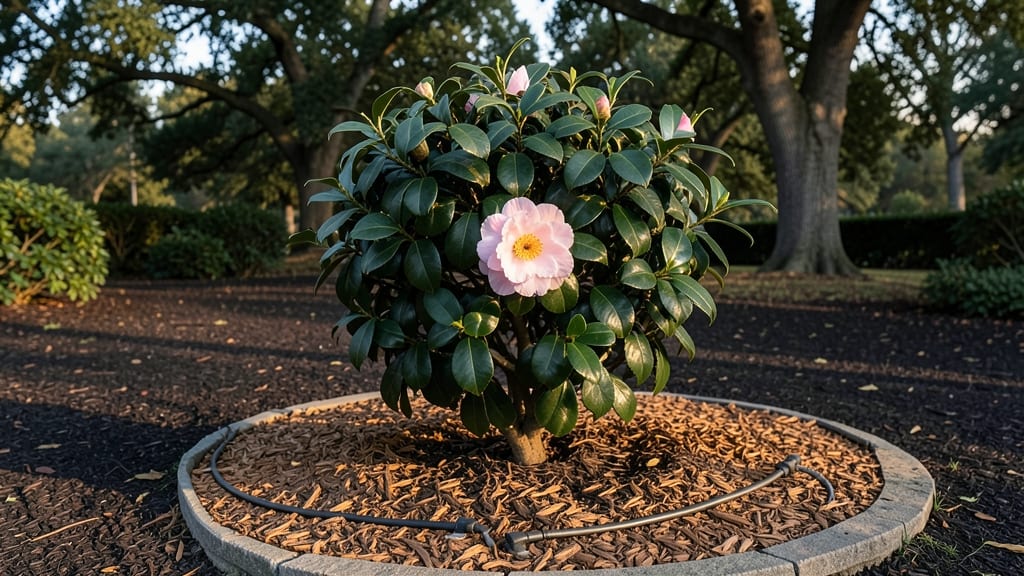
Gainesville’s gardens thrive where others wilt—thanks to the city’s perfect mix of sunshine, humidity, and Florida-friendly plants. 🌿 I’ve spent years transforming my own yard into a year-round oasis, and the secret isn’t just choosing the right plants but arranging them to work with Gainesville’s climate instead of against it.
The key starts with soil: our sandy, well-draining earth needs organic matter to hold moisture without drowning roots. Mix in compost at planting, and pair drought-tolerant natives like coontie palms or firebush with thirsty veggies near drip irrigation.
Local botanical gardens like the Kanapaha Botanical Gardens prove how stunning these combinations can be—even in summer’s brutal heat.
What you’ll end up with is a garden that stays lush through Gainesville’s 90-degree winters and 95-degree summers, with blooms from azaleas in spring to crape myrtles in fall. The air smells like jasmine at dusk, and your neighbors will ask how you do it.
The best part? These plants require half the water of traditional lawns while supporting local pollinators.
Whether you’re working with a small urban lot or a sprawling backyard, these designs adapt—from raised beds for sandy soil to shade gardens under live oaks. Let’s make your yard the envy of Gainesville’s gardening scene.
📚 In This Guide
- What you need
- Instructions
- Tips and common mistakes
- Wrapping up and next steps
What you need
- ● Soil: 2–3 bags of well-draining potting mix (1 cubic foot each) for containers or raised beds
- ● 1–2 bags of compost (to enrich native soil, if gardening in-ground)
- ● Plants: Seedlings or transplants of Florida-friendly veggies (e.g., tomatoes, peppers, okra, sweet potatoes, or collard greens—check local nurseries like blank">North Florida Nursery)
- ○ Optional: Seeds for direct sowing (e.g., beans, cucumbers, or squash)
- ● Containers or Beds: 5–10 gallon fabric or plastic pots (with drainage holes) for small gardens
- ● OR a raised bed kit (4’x8’ recommended for beginners)
- ● Tools: Trowel or hand shovel
- ● Garden gloves (to protect from thorns or soil)
- ● Watering can or hose with soaker nozzle (for gentle watering)
- ○ Optional: Pruners, mulch (pine straw or shredded bark), and stakes for tall plants
- ● ✅ Timing: Plant cool-season crops (like collards or kale) in fall/winter (Sept–March) and warm-season crops (tomatoes, peppers) in spring (Feb–April).
- ● ✅ Sunlight: Ensure your garden gets 6–8+ hours of sun/day (most Florida veggies are sun-lovers!).
- ● ✅ Water Access: Florida’s heat means daily watering (early morning is best) until plants establish roots.
- ● ✅ Pest Prep: Keep an eye out for squash bugs, aphids, or whiteflies—neem oil or insecticidal soap helps!
Instructions for designing a Florida-friendly landscape in Gainesville
Here’s how to create a vibrant, low-maintenance garden that thrives in Gainesville’s unique climate.
🌱 Step 1: Assess Your Site and Choose Native Plants
Start by mapping your yard’s sunlight patterns—Gainesville’s long, hot summers and mild winters demand plants that handle full sun (6+ hours) or partial shade (3-6 hours) without wilting. I recommend sketching your space with notes on sun exposure, soil type (sandy, clay, or loamy), and drainage. Native Florida plants like coontie palm or sabal palm tolerate our alkaline soil and drought, while firebush and blanket flower bring color without needing constant watering.
Dig a small test hole to check drainage—if water pools after 10 minutes, your soil is heavy clay and needs amendments (like compost or pine bark fines). Gainesville’s sandy soils drain too fast, so mulch heavily to retain moisture. Prioritize plants labeled "Florida-Friendly"—they’re bred to thrive here without pesticides or excessive care.
💧 Step 2: Prepare Soil and Install Drip Irrigation
Amend your soil with 2-3 inches of compost or aged pine bark to improve structure and water retention. Gainesville’s clay soils compact easily, so avoid tilling deeply—just scratch the surface to incorporate amendments. For sandy areas, mix in peat moss to hold moisture longer. I always test soil pH (aim for 6.0-7.0) using a simple kit from a local nursery, as Florida’s native plants prefer slightly acidic to neutral conditions.
Install drip irrigation or soaker hoses to deliver water slowly at the base of plants. Gainesville’s dry season (November–April) demands deep, infrequent watering—1-2 inches per week—to encourage deep roots. Set up a timer for early morning (before 9 AM) to reduce evaporation and fungal diseases. Avoid overhead sprinklers; they waste water and promote fungal growth in humid summers.
☀️ Step 3: Plant in Layers for Year-Round Interest
Design your garden in three layers: tall plants (like sabal palms or muhly grass) at the back, mid-height shrubs (such as firebush or coffeeberry) in the middle, and ground covers (like Frogfruit or Horse gentian) in front. This creates texture and hides bare soil, which Gainesville’s heat turns to dust quickly. Space plants 2-3 feet apart to allow airflow—critical for preventing fungal diseases in our humid climate.
Plant in late winter or early spring (February–March) to avoid summer heat stress. Dig holes twice as wide as the root ball but only as deep—planting too deep suffocates roots. Water deeply after planting to eliminate air pockets, then mulch with 2-3 inches of pine bark to retain moisture and suppress weeds. Native plants establish faster with mulch, and you’ll see new growth within 4-6 weeks if conditions are right.
✂️ Step 4: Maintain with Minimal Effort
Prune firebush and coffeeberry in late winter (January–February) to shape them and encourage blooms. Remove dead or diseased branches immediately—Gainesville’s humidity spreads problems fast. For palms, trim fronds only when they turn brown, as they provide shade and shelter for wildlife. Fertilize lightly (if at all) with a slow-release, organic fertilizer in early spring—native plants rarely need feeding.
Monitor for palmetto bugs and squirrels—they love new plantings. Use physical barriers (like wire mesh) for young plants rather than pesticides, which harm beneficial insects. Water deeply every 7-10 days once established, and you’ll see lush, drought-resistant growth by summer. The key is observation: adjust watering based on rainfall and leaf color (wilting means more water; yellowing means too much).
🪴 Step 5: Add Hardscaping for Function and Style
Incorporate permeable paving (like gravel or decomposed granite) for walkways to allow rainwater to recharge the soil. Gainesville’s flash floods in summer can overwhelm drainage, so avoid impermeable surfaces. Add native rocks (like quartzite) for contrast and to attract pollinators. A small pond or rain garden captures runoff and supports wildlife—critical in Florida’s wildfire-prone areas.
Install solar-powered lights to highlight plants at night and reduce energy use. Gainesville’s warm nights mean lights stay on longer, but solar options blend seamlessly with the landscape. Finally, add benches or trellises (like wisteria or crossvine) for shade and seating—perfect for enjoying your low-maintenance retreat.
Tips & tricks for perfect Florida-friendly landscaping in Gainesville
Creating a thriving, low-maintenance garden in Gainesville’s unique climate requires understanding its specific challenges—and here’s how to master them.
Sunlight Mapping: Use a simple app or even a notebook to track sunlight patterns across your yard for at least 3-6 hours during the day. I’ve found that Gainesville’s long summer days create shifting shadows—what looks like full sun in the morning might become partial shade by afternoon. This precision helps you place sun-loving plants like coontie palm in the right spots while protecting shade-sensitive varieties.
Soil Test Before Amending: Don’t guess about your soil—test it first! Gainesville’s alkaline soil can surprise you. I always use a $10 home test kit to confirm pH before adding amendments. If your soil tests at 7.5 or higher, mix in 1-2 inches of peat moss to lower pH slightly. For clay soils where water pools after 10 minutes, incorporate aged pine bark instead—it improves drainage without compacting further.
Layering Strategy: When creating your three-layer design, I recommend starting with the tallest plants first. Place sabal palms or muhly grass at the back, then work forward with firebush and coffeeberry shrubs. This prevents accidental shading of smaller plants. Pro tip: Leave 12-18 inches of space between layers to allow airflow—critical for preventing fungal diseases in our humid climate.
Watering Wisdom: Your 1-2 inches per week watering guideline works best when applied consistently. For clay soils, water deeply every 5-7 days to encourage deep root growth, while sandy areas may need 2-3 times per week. Always water in the early morning before 9 AM—this gives plants time to absorb moisture before the heat of the day. I’ve seen plants wilt dramatically when watered in the evening, only to revive after morning hydration.
Pro Tips for Gardens In Gainesville
- Creating a thriving, low-maintenance garden in Gainesville’s unique climate requires understanding its specific challenges—and here’s how to master them.
- Sunlight Mapping: Use a simple app or even a notebook to track sunlight patterns across your yard for at least 3-6 hours during the day.
- Soil Test Before Amending: Don’t guess about your soil—test it first!
Frequently asked questions
Got questions about creating or enjoying gardens in Gainesville? Here are answers to common queries to help you grow with confidence!
What are the best Florida-friendly plants for a Gainesville garden?
Gainesville’s humid subtropical climate thrives with native or adapted plants like butterfly ginger, firebush, and coontie palm. For veggie gardens, prioritize heat-tolerant varieties like okra, sweet potatoes, and collard greens. Check our materials guide for soil and sunlight tips!
When is the ideal time to plant in Gainesville?
Gainesville’s two planting seasons are spring (Feb–April) and fall (Aug–Oct). Avoid summer’s scorching heat—opt for shade-loving crops like lettuce or plant heat-resistant veggies (e.g., peppers) in late spring. Pro tip: Use mulch to retain moisture during dry spells!
How do I deal with Gainesville’s heavy rain and humidity?
Improve drainage with raised beds or sandy loam soil mixes. Elevate containers, and avoid overwatering—let soil dry slightly between waterings. Fungal issues? Space plants for airflow and use copper fungicides if needed.
Can I grow vegetables in Gainesville’s urban areas?
Many urban Gainesville gardens thrive in containers, raised beds, or small plots. Try dwarf varieties (e.g., bush beans, cherry tomatoes) and use vertical space for herbs. Check local UF/IFAS guidelines for pest control in tight spaces.
What pests should I watch for in Gainesville gardens?
Common culprits include aphids, squash bugs, and whiteflies. Use row covers early, handpick pests, or introduce beneficial insects like ladybugs. Neem oil or insecticidal soap works for mild infestations—avoid harsh chemicals near edibles!
Wrapping up and next steps
Gainesville’s gardens prove that year-round beauty is possible—even in Florida’s warm climate! 🌿 Whether you’re a seasoned gardener or just starting, embracing Florida-Friendly plants ensures low-maintenance, vibrant landscapes that thrive with minimal fuss. From drought-resistant natives to lush vegetables, your green space can be both stunning and sustainable.
Ready to dive in? Start small—pick one plant or section to transform, gather your tools, and let nature do the rest. Your future garden (and the local wildlife!) will thank you. 🌱✨