
Vegetables
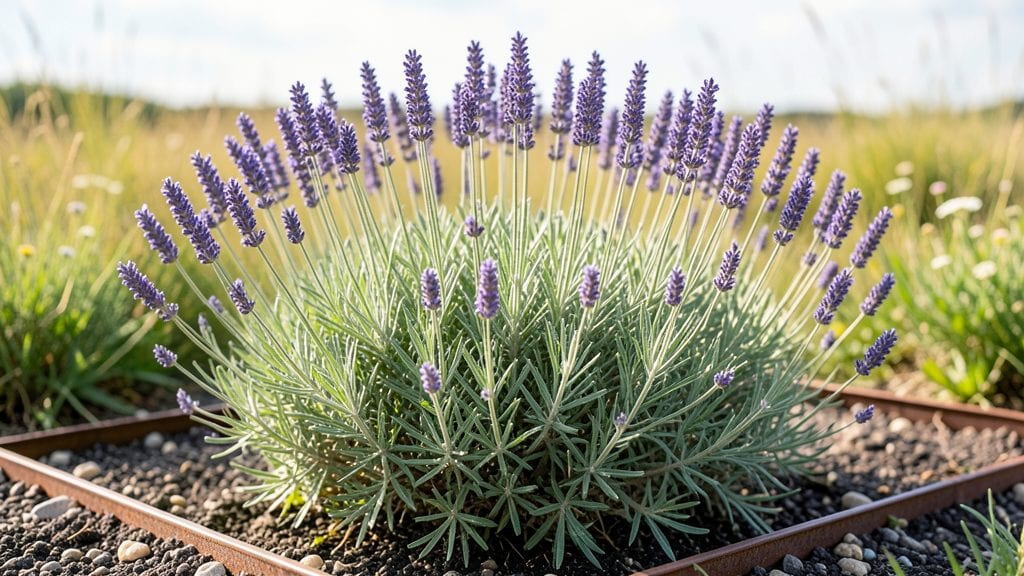
Creating stunning gardens in Tennessee that thrive year-round blends productivity with beauty, adapting to the state’s varied climates—from lush Appalachian foothills to sunbaked Western plains.
My first garden here nearly failed because I ignored how Tennessee’s seasons shift dramatically, but after three years of trial and error, I’ve perfected a layout that keeps harvests coming from spring through fall.
The key is layering plants by height, season, and function: tall perennials like passionflower vines for summer shade and winter interest, mid-height berry bushes like serviceberry for spring blooms and fall fruit, and low-growing herbs like thyme that thrive year-round.
Native plants like eastern red cedar (yes, it’s edible!) and pawpaws anchor the design while supporting pollinators, which Tennessee’s gardening communities swear by for resilience.
By late summer, your layout will burst with blackberries, okra, and peppers, while winter brings kale, carrots, and garlic—all tucked into beds that double as living mulch. The best part?
Local nurseries like The Tennessee Nursery in Nashville or Appalachian Native Plant Society stock region-specific varieties that thrive with minimal fuss. This isn’t just a garden; it’s a year-round pantry disguised as a landscape.
Whether you’re in the humid East, the rolling Middle, or the arid West, the principles adapt—just swap heat-tolerant sweet potatoes for West Tennessee’s clay soil or cold-hardy collards for Appalachian winters.
Start small with one 10x12-foot bed to test what works before expanding. The payoff? A garden that feeds you, feeds the soil, and feeds your neighbors’ curiosity.
📚 In This Guide
- What you need
- Instructions
- Tips and common mistakes
- Wrapping up and next steps
What you need
- ● Topsoil: 10–20 cubic yards (depending on garden size; opt for compost-amended soil with a pH of 6.0–7.0 for Tennessee’s climate).
- ● Organic mulch: 3–5 cubic yards (e.g., hardwood chips, straw, or pine bark to retain moisture and suppress weeds).
- ● Compost: 2–3 cubic yards (homemade or store-bought; enriches soil with nutrients).
- ● Fertilizer: Balanced 10-10-10 or 5-10-10 (for general planting).
- ● Slow-release organic fertilizer (e.g., fish emulsion or bone meal for flowering plants).
- ● Edible plants: Seedlings or seeds for: Spring: Kale, spinach, peas, radishes, lettuce.
- ● Summer: Tomatoes, peppers, cucumbers, basil, squash.
- ● Fall: Carrots, broccoli, Brussels sprouts, garlic.
- ● Winter (cold-hardy): Spinach, Swiss chard, cabbage, onions.
- ● Drip irrigation system: 50–100 ft. of tubing (with emitters) or soaker hoses (for efficient watering).
- ● Trellises or stakes: 10–20 units (for vining plants like beans, cucumbers, or morning glories).
- ● Garden twine: 1–2 rolls (for securing plants to trellises).
- ● Basic tools: Garden shovel (for digging).
- ● Garden fork (for aerating soil).
- ● Pruners (bypass or anvil type for clean cuts).
- ● Hand trowel (for precision planting).
- ● Gloves (heavy-duty for protection).
- ● Measuring & layout: Measuring tape (25 ft.).
- ● Stakes and string (for marking garden beds).
- ● Level (to ensure even beds).
- ○ Optional upgrades: Wheelbarrow (for hauling soil/mulch).
- ● Hose nozzle with adjustable spray (for targeted watering).
- ● Soil pH tester (to monitor and adjust acidity).
- ● Kneeling pad (for comfort during planting).
- ● Location: Choose a spot with 6–8 hours of sunlight daily (adjust for shade-tolerant crops in summer).
- ● Soil test: Conduct a free or low-cost test through the UT Extension to check for nutrient deficiencies.
- ● Water access: Ensure a nearby water source (hose bib or rain barrel) for consistent irrigation.
- ● Permits (if applicable): Check local regulations for landscaping or irrigation permits (especially in urban areas).
- ● Seasonal timing: Spring: Plant after the last frost (typically mid-April in Tennessee).
- ● Fall: Start cool-season crops by late August for harvest before winter.
Instructions for designing a four-season edible landscape in Tennessee
Here's how to create a lush, productive garden that delivers harvests from spring through winter.
Plan Zones Based on Tennessee's Microclimates
Tennessee's varied elevations create distinct growing zones—East Tennessee's cooler highlands (Zone 6-7) contrast sharply with Middle Tennessee's mild valleys (Zone 7-8) and West Tennessee's warmer lowlands (Zone 8). Map your yard's sun exposure first: note which areas receive full sun (6+ hours), partial shade (3-6 hours), and full shade (less than 3 hours). I always sketch my yard with these zones marked, using a simple compass orientation to track sun arcs throughout the day.
Divide your space into four distinct planting zones: a spring starter bed for cool-season crops, a summer production area for heat-lovers, an autumn extender zone for frost-tolerant greens, and a winter interest section with evergreens and root crops. For example, dedicate the north side of your house to shade-tolerant herbs like cilantro and parsley, while the south-facing slope gets your tomato cages and peppers. This spatial separation prevents competition for resources and makes seasonal transitions smoother.
Layer Plants for Continuous Harvests
Begin with your tallest plants—like sunflowers or pole beans—as your vertical anchors. These should be placed along fences or trellises to create natural screens while providing structure. Next, add your mid-height crops: bush beans, zucchini, and kale. These form the "mezzanine" layer that catches sunlight while protecting lower plants from harsh winds. I always plant these in a staggered pattern, leaving 18-24 inches between rows to allow for easy movement and air circulation.
For the ground layer, incorporate low-growing plants like lettuce, radishes, and thyme. These should be interplanted between taller crops to maximize space. In Tennessee's mild winters, include cold-hardy options like spinach and garlic that will survive until spring. The key is creating a tapestry where each plant plays a role—some for food, some for beauty, and some for habitat. For instance, marigolds between tomato plants deter pests while adding color, and clover in walkways fixes nitrogen naturally.
Select Tennessee-Native and Adapted Varieties
Choose plants that thrive in Tennessee's conditions: heat-tolerant okra and sweet potatoes for summer, cold-hardy kale and collards for autumn, and ever-bearing strawberries for winter interest. I always verify varieties with local extension offices or nurseries that specialize in regional adaptations. For example, 'Cherokee Purple' tomatoes perform exceptionally well in Tennessee's heat, while 'Winterbor' kale withstands our occasional late frosts.
Incorporate native Tennessee plants like elderberry, pawpaw, and serviceberry to support local pollinators while providing edible harvests. These plants require less maintenance and are more resistant to local pests. For instance, pawpaw trees not only produce delicious fruit but also provide shade and habitat for birds. When selecting perennials, prioritize those with multiple harvest seasons—like asparagus for spring and rhubarb for early summer—to extend your edible landscape's productivity year-round.
Implement Seasonal Maintenance Strategies
Spring begins with clearing winter debris and amending soil with 2-3 inches of compost. I always test my soil in early spring to determine pH and nutrient levels, adjusting with lime or sulfur as needed. For summer, focus on mulching heavily (using 3-4 inches of organic mulch) to retain moisture during Tennessee's hot, dry spells. In autumn, transition to planting cover crops like winter rye to prevent erosion and improve soil structure over winter.
Watering requires special attention: deep watering 2-3 times per week during summer heat, with early morning sessions to reduce evaporation. I install a drip irrigation system for consistency, programming it to deliver 1-1.5 inches of water per week. In winter, reduce watering significantly, focusing only on evergreens and newly planted perennials. Prune dead or diseased branches immediately to prevent the spread of pathogens, and harvest regularly to encourage continuous production.
Add Hardscaping for Function and Beauty
Incorporate raised beds to improve drainage in Tennessee's clay-heavy soils, especially in low-lying areas prone to waterlogging. Use locally sourced stone or brick for pathways to define garden spaces while providing durable walkways. I always include a small compost bin near the garden for easy access to organic matter. For winter interest, add evergreen shrubs like boxwood or holly, which provide structure and color when other plants are dormant.
Install a simple trellis system for vining plants like cucumbers and squash to save space and improve air circulation. In Tennessee's humid climate, good airflow is critical for preventing fungal diseases. Add a few benches or containers with seasonal flowers to create inviting spaces for gardening and harvesting. These elements not only enhance the garden's aesthetic but also make the space more functional and enjoyable year-round. For instance, a small arbors with climbing roses provides shade in summer and beautiful blooms in spring.
Tips & tricks for perfect four-season edible landscaping in Tennessee
Creating a thriving edible landscape in Tennessee's diverse climate requires thoughtful planning and strategic execution. These insights will help you maximize productivity while adapting to the state's unique growing conditions.
Microclimate Mapping: Tennessee's varied elevations create distinct growing zones—East Tennessee's cooler highlands (Zone 6-7) contrast sharply with Middle Tennessee's mild valleys (Zone 7-8) and West Tennessee's warmer lowlands (Zone 8). Use a simple compass to track sun arcs throughout the day, marking areas that receive full sun (6+ hours), partial shade (3-6 hours), and full shade (less than 3 hours). I recommend sketching your yard with these zones clearly marked before making any planting decisions, as this spatial awareness prevents competition for resources and makes seasonal transitions smoother.
Plant Layering Strategy: The 18-24 inch spacing between rows mentioned in Step 2 isn't just about aesthetics—it's about creating an ecosystem. The vertical anchors (like sunflowers or pole beans) provide structure while allowing sunlight to reach lower plants. When planting your mid-height crops (bush beans, zucchini, kale), stagger them in a diagonal pattern rather than straight rows. This creates a natural staircase effect that maximizes sunlight exposure at different levels throughout the day, particularly important during Tennessee's long summer days when shadows shift rapidly.
Seasonal Soil Preparation: The 2-3 inches of compost recommended for spring soil amendment is just the beginning. For summer's hot, dry spells, increase your mulch depth to 3-4 inches—this creates a moisture-retaining blanket that reduces watering needs by up to 40%. I've found that mixing in a thin layer of straw mulch on top of shredded leaves provides the best balance of moisture retention and weed suppression. This layered approach mimics Tennessee's natural forest floor ecosystem, where fallen leaves create a protective layer that slowly decomposes to enrich the soil.
Native Plant Integration: While selecting Tennessee-adapted varieties like 'Cherokee Purple' tomatoes and 'Winterbor' kale is essential, don't overlook the power of native plants. Incorporate elderberry bushes along property edges—they provide wildlife habitat while producing edible berries. Pawpaw trees make excellent shade providers with their large canopies, and their fruit ripens in late summer when few other fruits are available. These native plants require less maintenance than introduced species and often have better pest resistance, which is particularly valuable in Tennessee's humid climate where fungal diseases can spread quickly.
Pro Tips for Gardens In Tennessee
- Creating a thriving edible landscape in Tennessee's diverse climate requires thoughtful planning and strategic execution.
- Use a simple compass to track sun arcs throughout the day, marking areas that receive full sun (6+ hours), partial shade (3-6 hours), and full shade (less than 3 hours).
- Plant Layering Strategy: The 18-24 inch spacing between rows mentioned in Step 2 isn't just about aesthetics—it's about creating an ecosystem.
Frequently asked questions
Got questions about creating a thriving four-season edible garden in Tennessee? We’ve got answers!
Whether you’re a beginner or a seasoned green thumb, these FAQs will help you navigate soil, timing, and troubleshooting like a pro.
What’s the best time to plant in Tennessee’s four seasons?
Tennessee’s climate varies by region, but cool-season crops (like kale, spinach, and peas) thrive in early spring (March–April) and fall (September–October). Warm-season veggies (tomatoes, peppers, beans) love late spring to early summer (May–June). Check our seasonal planting chart for exact dates by zone!
How do I prepare my Tennessee soil for edible landscaping?
Tennessee’s soil can be clay-heavy or sandy, but amending it is key! Test your soil (free kits at local extension offices ) and mix in compost, aged manure, and organic matter to improve drainage and nutrients. Raised beds work wonders for poor soil—just ensure they’re at least 6–12 inches deep for root crops.
What pests should I watch for in a Tennessee edible garden?
Common culprits include Japanese beetles, squash bugs, and deer. Use row covers, companion planting (marigolds repel pests!), and neem oil for organic control. For deer, try fencing (8 ft tall) or plant deer-resistant herbs like rosemary. Monitor regularly—early action prevents feasts!
Can I grow edibles in containers or small spaces in Tennessee?
Dwarf varieties (like bush beans, cherry tomatoes, and peppers)
thrive in containers, and vertical gardening (trellises for cucumbers, peas) saves space. Use well-draining pots (5+ gallons per plant) and high-quality potting mix. Just ensure your containers get 6+ hours of sunlight daily—even balconies work!
How do I extend my growing season in Tennessee’s winters?
Use season extenders like cold frames, hoop houses, or row covers to protect plants from light frosts (28–32°F). For hard freezes (below 20°F), grow winter greens (kale, Swiss chard) under cover or opt for greenhouse gardening. Mulch heavily in late fall to insulate soil and roots.
What are low-maintenance edible plants for Tennessee gardens?
If you want beautiful and productive, try these easy picks:
- Herbs: Oregano, thyme, and mint (perennial, drought-tolerant).
- Vegetables: Bush beans, lettuce (cut-and-come-again), and zucchini (prolific!).
- Fruit: Blueberries (acidic soil lovers) and figs (heat-resistant).
Mulch and water consistently, and you’ll spend less time weeding and more time harvesting!
Wrapping up and next steps
From lush spring greens to harvesting autumn squash and even winter herbs, Tennessee’s gardens prove that year-round edible landscaping is not just possible—it’s rewarding. 🌱 Whether you’re a seasoned gardener or just starting, the key is planning, patience, and a little creativity.
Your future meals (and neighbors’ green envy) will thank you!
Ready to dig in? Start small—pick one section of your yard to transform this weekend. Need inspiration? Sketch a rough layout, grab your tools, and let nature (and your taste buds) do the rest! 🌿