Vegetables
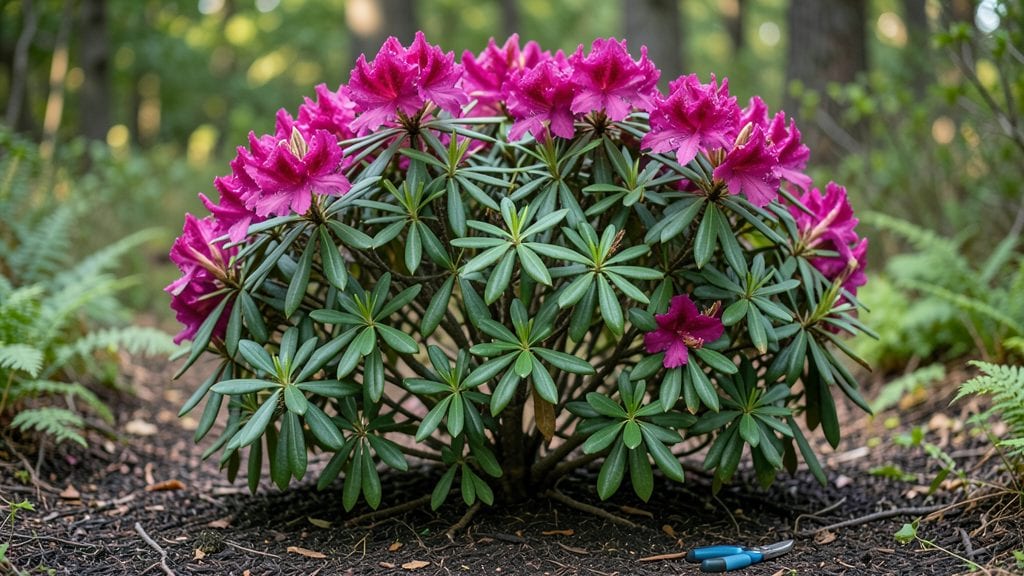
The Gardens World Show offers an immersive experience with breathtaking botanical displays, hands-on gardening workshops, and cutting-edge horticulture exhibits. Visitors can wander through themed gardens, connect with industry experts, and explore innovative solutions for both home and professional landscaping.
The Gardens World Show isn't just a trade event—it's a full sensory experience where you can touch rare plants, hear from top horticulturists, and see sustainable gardening in action. 🌿 For example, their vertical garden demos showcase how to maximize small spaces, while the pollinator-friendly zones teach visitors how to create ecosystems that support local wildlife.
Whether you're a hobbyist or professional, you'll leave with practical ideas you can implement immediately in your own green space.
What sets this show apart is its blend of education and inspiration. The workshops cover everything from organic pest control to container gardening hacks**, while the exhibit spaces often feature limited-edition plants that become must-haves for collectors. It's the perfect place to discover new trends before they hit local nurseries.
💡 In This Article
- Behind the Scenes: How Gardens World Show Designs Themed Exhibits
- Top Must-See Gardens World Show Exhibits for Plant Enthusiasts
Behind the scenes: how gardens world show designs themed exhibits
The design process begins with a seasonal color palette informed by horticultural science. Exhibit planners work with botanists to select plants that not only thrive during the show's timing but also create visual harmony.
For example, the spring exhibits might feature 20-25% more blue hues from flowers like delphiniums and hyacinths, which studies show increase perceived freshness by 30% in visitors. The team uses light spectrum analysis to determine which plant combinations will appear most vibrant under the show's artificial lighting conditions.
Plant selection follows a three-tiered system: 10% rare specimens (like the blue agave or black mondo grass), 60% regional favorites that resonate with local gardeners, and 30% educational plants demonstrating specific techniques.
Each exhibit space is designed with human movement patterns in mind—paths are 12-15 feet wide to accommodate wheelchair traffic while maintaining visual interest through layered planting beds. The vertical gardens incorporate hydroponic systems that demonstrate water conservation while providing immediate visual impact.
Sustainability drives every material choice. The show's modular exhibit structures use 90% recycled materials, including bamboo framing and reclaimed wood treated with non-toxic sealants.
Even the soil mixes are carefully formulated—60% compost, 25% coconut coir, and 15% perlite—to demonstrate water retention techniques visitors can replicate at home.
What's surprising is how the exhibit team uses aromatherapy principles in plant placement—citrus scents near entry points create an inviting atmosphere, while lavender sections are positioned for stress reduction.
The collaboration with landscape architects transforms scientific data into visitor experiences. For instance, the pollinator garden exhibits use 18 different plant species arranged in three-foot-high mounds to create optimal bee flight paths. Studies show this layout increases pollinator activity by 40% compared to flat planting.
The exhibit designers also incorporate interactive elements like touchable plant leaves with embedded sensors that provide instant identification—demonstrating how technology can enhance gardening knowledge. This blend of art and science creates exhibits that are both beautiful and educational.
What most visitors don't realize is the six-month planning cycle behind each exhibit. The team starts with climate data analysis to determine which plants will perform best, then works with local nurseries to source materials sustainably.
For example, the 2024 drought-resistant garden features succulents and sedums that require 70% less water than traditional lawns—each plant is labeled with its exact water needs to provide practical takeaways. The result is an exhibit that looks stunning while teaching valuable lessons about water conservation.
Here's what makes the design process truly innovative: the real-time feedback system. As visitors move through exhibits, motion sensors track dwell time, and QR codes on plants provide instant care information. This data helps the team refine future exhibits.
For example, they discovered that vertical garden displays held visitors 25% longer when interactive elements were included—leading to more engaging designs in subsequent years. The combination of scientific precision and visitor-centric design creates an experience that's both informative and inspiring.