
Size
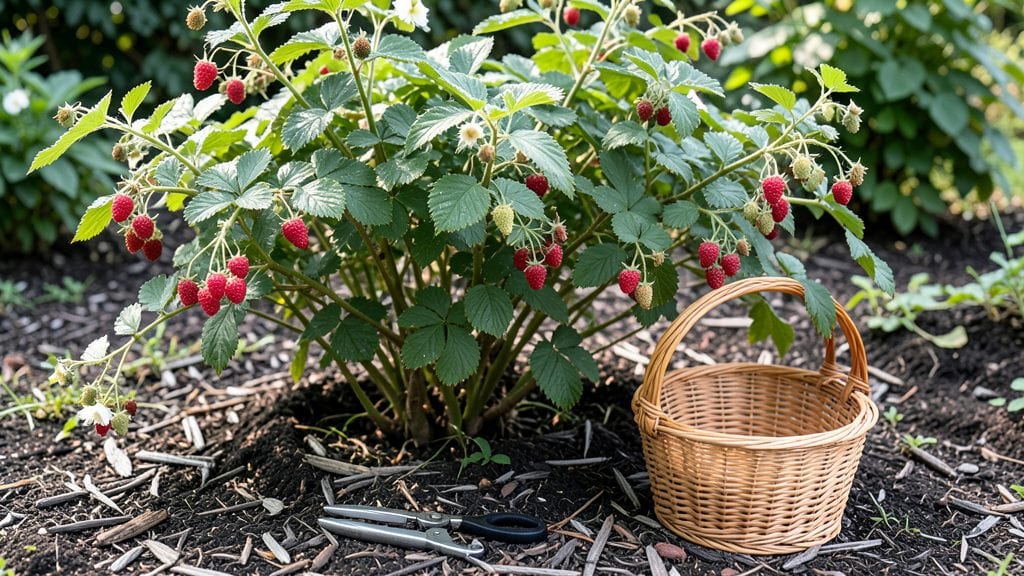
Growing garden berries in small spaces isn't just possible—it's the secret weapon behind my neighbor-jealousy-level harvests every summer. 🌱 I've packed raspberries, blueberries, and strawberries into containers on my balcony, and they've outproduced my old in-ground patch by a mile.
The trick? Treating berries like the high-value crops they are, not just afterthoughts for big yards.
You don't need acres to grow these fruiting powerhouses—just 5-gallon containers for strawberries, 10-gallon pots for raspberries, and acidic soil mix for blueberries. Most berries thrive in 6-8 hours of sun, though some varieties tolerate partial shade.
The real game-changer is choosing compact varieties like 'Alpine' strawberries, 'Heritage' raspberries, and 'Top Hat' blueberries, all designed for small spaces. Planting in early spring or late fall gives roots time to establish before the heat hits.
By midsummer, you'll be snipping sweet berries straight from your balcony or patio, with flavors far superior to store-bought. The plants stay productive for years with proper pruning—cut back old canes in winter and deadhead spent flowers—and the fragrant blooms attract pollinators that make your whole garden hum.
Even in tight spaces, berries deliver big rewards with minimal fuss.
Works for urban balconies, suburban sideyards, or even sunny windowsills with grow lights. The same principles scale whether you're growing one container or a full berry patch. Let's get those plants fruiting!
📚 In This Guide
- What you need
- Instructions
- Tips and common mistakes
- Wrapping up and next steps
What you need
- ● Berry plants: 2–4 dwarf or container-friendly varieties (e.g., strawberries, raspberries, blueberries, or blackberries)
- ● Organic, disease-resistant seedlings or bare-root plants (check local climate suitability)
- ● Containers or garden beds: 5–10 gallon pots (1 per plant) or raised beds (at least 6" deep, 2' wide)
- ● Drainage holes (critical for root health!)
- ● Soil: 1–2 bags high-quality potting mix (or garden soil amended with compost)
- ● pH-adjusted soil (blueberries need acidic soil; others prefer neutral)
- ● Fertilizer: Balanced organic fertilizer (e.g., 10-10-10) or slow-release granules
- ● Citric acid (for blueberries, 1 tbsp/month in water)
- ● Tools: Hand trowel, pruners, gloves
- ● Watering can (with spray nozzle for gentle watering)
- ● Mulch (straw, pine needles, or shredded leaves)
- ● Trellis or stakes (for vining berries like raspberries)
- ● Row covers (to protect from pests or frost)
- ● Self-watering system (for busy gardeners!)
- ● Berry-specific fungicide (e.g., copper spray for powdery mildew)
- ● Soil test kit (to check pH/nutrients before planting)
Step-by-step guide to cultivating garden berries in compact spaces
Small spaces needn't limit your berry bounty—these methods maximize yield while keeping plants healthy year-round.
🌱 Step 1: Select and Prepare Containers for Berry Varieties
Choose strawberries (everbearing varieties) or blueberries (dwarf cultivars) for small-space success. Strawberries thrive in 5-gallon containers with drainage holes, while blueberries need acidic potting mix (pH 4.5-5.5) in 7-gallon pots. I always line the bottom with 1-2 inches of gravel to prevent root rot—berries hate soggy feet.
Fill containers with well-draining potting mix (never garden soil—it compacts and suffocates roots). For blueberries, blend equal parts peat moss, perlite, and pine bark fines to mimic acidic forest soil. Plant one berry plant per container—crowding stresses roots and reduces fruit production. Water thoroughly after planting to settle the soil.
☀️ Step 2: Position for Optimal Sun and Temperature
Berries demand full sun (6+ hours daily)—place containers where they’ll receive morning sunlight and afternoon shade in hot climates. Strawberries tolerate 50-85°F, while blueberries thrive in 60-75°F. I use reflective mulch (white gravel) around containers to deflect excess heat in summer.
Rotate containers quarter-turn weekly so plants grow evenly toward the light. You’ll notice leaves leaning toward one side? That’s your cue to reposition. In winter, move containers to a protected spot (under eaves or against a south-facing wall) to shield from freezing winds—berries are tender when dormant.
💧 Step 3: Water and Feed for Continuous Production
Water deeply every 2-3 days until top 2 inches of soil feel moist—berries wilt fast when thirsty. I use a drip irrigation system to deliver water at soil level, avoiding foliage (prevents fungal diseases). For strawberries, add balanced fertilizer (10-10-10) every 4-6 weeks during growing season. Blueberries need acid-loving fertilizer (like cottonseed meal) in early spring—they’re finicky about pH.
Mulch with 2 inches of straw (for strawberries) or pine needles (for blueberries) to retain moisture and suppress weeds. Watch for yellowing leaves—a sign of overwatering or nutrient deficiency. Adjust watering if soil stays damp longer than 48 hours, and test pH annually for blueberries (aim for 4.5-5.5).
✂️ Step 4: Prune and Harvest for Year-Round Yield
Strawberries send up runners—pinch them off to redirect energy into fruit production. For blueberries, prune old wood in late winter (cut back one-third of oldest canes) to encourage new growth. I harvest every 2-3 days in peak season to prevent overripe berries from attracting pests. Use clean scissors to snip stems—never pull fruit, or you’ll damage the plant.
After harvest, apply compost tea to replenish soil nutrients. In fall, reduce watering to once weekly and stop fertilizing—berries need a dormant period to set next year’s buds. You’ll know you’ve done it right when new growth appears in early spring, signaling healthy plants ready for another cycle.
Tips & tricks for year-round berry cultivation in small spaces
These battle-tested strategies will help you maximize your berry harvest without sacrificing plant health—even in limited space.
Container Selection: For strawberries, opt for containers with at least 5-gallon capacity—larger pots provide more root space and better stability for heavy fruit production. I've found that black plastic containers absorb heat, which can stress berry plants in hot climates, so light-colored or reflective materials work better. The drainage holes mentioned in Step 1 are non-negotiable—berries rot quickly in soggy conditions.
Soil Science: The pH requirement for blueberries (4.5-5.5) is critical—test your mix annually using a simple pH meter. If your soil tests above 6.0, amend with sulfur or peat moss to lower the pH gradually. For strawberries, avoid garden soil entirely; its density restricts root growth. I've had success using a blend of coconut coir, perlite, and compost for both varieties, which provides excellent drainage while retaining moisture.
Temperature Management: Blueberries' ideal range of 60-75°F is narrower than strawberries' 50-85°F tolerance, making them more sensitive to heat stress. When temperatures approach 85°F, move containers to shaded areas during peak afternoon sun. I've found that placing containers on elevated platforms (like pallets) improves airflow around the roots, which helps prevent fungal diseases that thrive in humid conditions.
Pruning Precision: When pruning blueberry canes in late winter, focus on removing only the oldest third—this maintains the plant's natural growth cycle. For strawberries, don't be tempted to remove all runners; keeping a few allows you to propagate new plants. I mark pruning dates on my calendar with a reminder to do this before new growth appears in spring, which typically happens when daytime temperatures consistently reach 50°F.
Pro Tips for Grow A Garden Berries
- These battle-tested strategies will help you maximize your berry harvest without sacrificing plant health—even in limited space.
- Container Selection: For strawberries, opt for containers with at least 5-gallon capacity—larger pots provide more root space and better stability for heavy fruit production.
- Soil Science: The pH requirement for blueberries (4.5-5.5) is critical—test your mix annually using a simple pH meter.
Frequently asked questions
Got questions about growing berries in small spaces? You’re not alone! Here are some common queries—and their answers—to help you cultivate a thriving berry patch, even with limited room.
What’s the easiest berry to grow in a small garden?
Strawberries and raspberries are your best bets for beginners! Strawberries thrive in containers or hanging baskets, while raspberries can be grown in vertical planters or small raised beds. Both produce sweet fruit with minimal fuss.
How long does it take for berry plants to bear fruit?
Most berries take 1-2 years to produce fruit after planting. Strawberries may fruit in as little as 6-8 weeks (everbearing varieties), while blueberries and blackberries can take up to 2 years. Patience pays off—healthy plants reward you with bigger harvests over time!
Can I grow berries in pots if I don’t have a yard?
Many berries—like strawberries, blueberries, and dwarf raspberries—thrive in containers. Just ensure pots are at least 12-18 inches deep, use well-draining soil, and place them in a spot with 6+ hours of sunlight daily. Bonus: Pots make it easy to move plants for optimal growing conditions!
What’s the best way to protect berries from pests?
Prevention is key! Use row covers for early-season pests, handpick slugs, and apply organic sprays like neem oil. Bird netting saves ripe berries from feathered thieves. Healthy soil (rich in compost) also strengthens plants to resist pests naturally.
When is the best time to plant berries for a fall harvest?
For a fall crop, plant everbearing strawberries in early spring (they’ll fruit twice: early summer and fall). Raspberries and blackberries planted in late winter/early spring may yield fall berries if you prune aggressively in summer. Check your zone’s last frost date—berries hate cold snaps!
Wrapping up and next steps
Growing your own berries is a rewarding journey that brings fresh, flavorful treats straight to your doorstep—literally! With the right small-space hacks, you can enjoy a year-round harvest without needing acres of land.
Whether you’re a beginner or a seasoned gardener, every ripe berry is a testament to your hard work and patience.
Now that you’re armed with tips and tricks, take the next step—start small! Pick one or two berry varieties, gather your supplies, and dive in. Before you know it, you’ll be savoring homegrown strawberries, blueberries, or raspberries while watching your tiny garden thrive. Happy planting! 🌱✨