
Advice
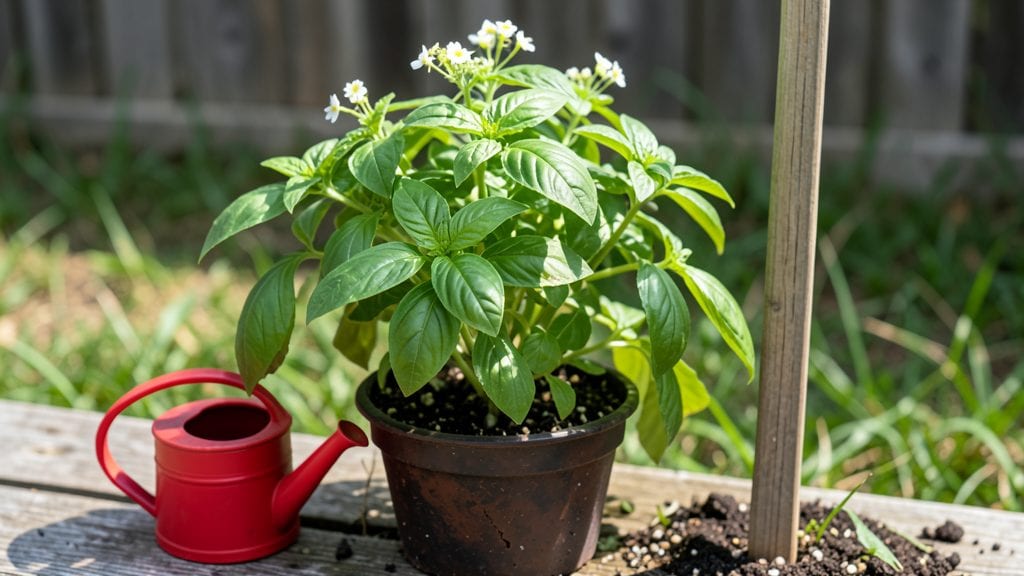
Starting herbs gardening is perfect for beginners because varieties like basil, mint, and parsley grow easily with minimal sunlight, infrequent watering, and natural pest resistance. These hardy plants thrive in small spaces and fit busy lifestyles effortlessly.
Herbs gardening is one of the most beginner-friendly ways to connect with nature—no green thumb required. 🌱 These plants are naturally resilient, often growing in poor soil and surviving light neglect, which makes them ideal for apartment balconies or windowsills.
I’ve seen mint spread aggressively in just a few weeks, while rosemary stands tall with almost no care, proving that "low-maintenance" isn’t just marketing—it’s science. The key is choosing varieties that match your space and lifestyle, whether that’s fast-growing basil for cooking or slow-but-sturdy thyme for year-round harvests.
What sets these herbs apart is their ability to bounce back from mistakes. Overwatering? They’ll forgive you. Forgetting to water for a week? They’ll still perk up. This forgiving nature is why so many first-time gardeners start with herbs—they build confidence without the stress of finicky vegetables.
Plus, the payoff is immediate: fresh basil in your pasta or mint in your lemonade within weeks of planting. It’s the perfect way to taste success fast.
💡 In This Article
- Why These Herbs Thrive in Beginner Gardens
- Step-by-Step Guide to Starting an Herb Garden
Why these herbs thrive in beginner gardens
These resilient herbs owe their success to their evolutionary adaptations. Take rosemary, for example—its needle-like leaves reduce water loss through transpiration, allowing it to thrive in drought conditions with just 1 inch of water every 7-10 days.
The plant's deep root system (up to 3 feet deep) reaches moisture underground, while its woody stems store water like a natural reservoir. This makes rosemary far more drought-tolerant than vegetables like lettuce, which wilt dramatically after just 3 days without water. 🌿
The slow growth rate of herbs like thyme and oregano is another key advantage. Unlike fast-growing weeds or vegetables that demand constant attention, these herbs grow at a leisurely pace—thyme typically adds just 2-3 inches per year—giving beginners time to learn without feeling overwhelmed.
Their compact growth habit also makes them perfect for small containers, where space is limited. Compare this to high-maintenance alternatives like tomatoes, which require 6-8 hours of sunlight daily and need staking, pruning, and frequent fertilizing to produce fruit.
Natural pest resistance is where these herbs truly shine. Many contain aromatic oils that repel insects—basil's citronella-like scent deters mosquitoes, while thyme's thymol compound keeps away spider mites.
This chemical defense system eliminates the need for pesticides, a common frustration for new gardeners. 🌱 For instance, rosemary's strong fragrance makes it nearly immune to deer and rabbits, which would devour most garden plants in a single night.
Even when pests do appear, herbs often recover faster than vegetables because their growth is slower and more controlled.
Light requirements also play a crucial role in their beginner-friendly nature. Most herbs thrive in 4-6 hours of sunlight daily, making them adaptable to partial shade conditions where vegetables would struggle.
For example, parsley grows well in 4 hours of morning sun combined with afternoon shade, while cilantro can tolerate 3-4 hours of filtered light. This flexibility allows you to place herb pots on windowsills, patios, or even under fruit trees where other plants would fail. The trade-off?
High-maintenance alternatives like peppers need full sun exposure (6+ hours) and precise temperature control to produce fruit.
Temperature tolerance is another hidden advantage. Many herbs handle temperature swings better than vegetables. Rosemary, for instance, can survive winter temperatures down to 15°F with proper mulching, while basil—though more tender—can bounce back from brief cold snaps if protected.
This hardiness means you can grow herbs year-round in many climates, unlike delicate vegetables that require seasonal replanting. 🌡️ The slow metabolic rate of these plants also means they don't suffer from heat stress as quickly as leafy greens, which bolt (go to seed) when temperatures exceed 75°F.
What most people don't realize is how these botanical traits translate into real-world convenience. The same slow growth that frustrates some gardeners becomes an asset for beginners—it means you can harvest leaves for months without needing to replant.
Consider chives: you can snip 1/3 of the plant every 2-3 weeks and still have regrowth, while vegetables like radishes must be harvested all at once before they become tough. This persistent productivity is why herbs gardening feels so rewarding—you're always getting something back for minimal effort.