
Advice
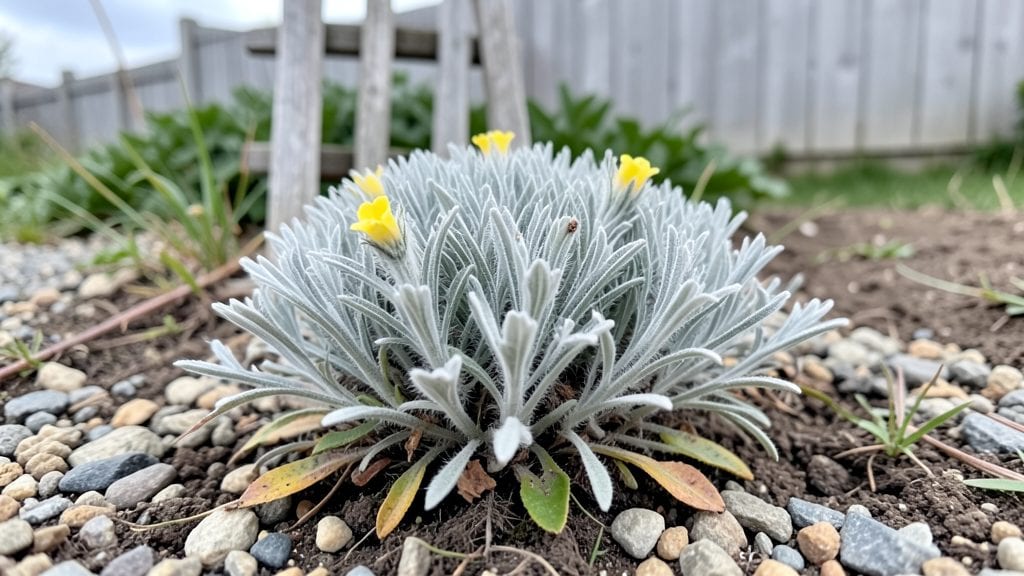
High-altitude gardening above 5,000 feet isn’t just possible—it’s rewarding when you pick the right plants and adapt your approach. I’ve grown thriving gardens in Colorado’s Rocky Mountains by focusing on cold-hardy varieties that handle thin air and chilly nights better than anything from the grocery store.
The key isn’t fighting the climate; it’s working with it.
Start with crops that love cool weather, like kale, broccoli, and hardy potatoes, which actually taste sweeter after a frost. Your soil will need extra organic matter to help roots breathe in the thin air, and mulch becomes your best friend to lock in moisture.
I’ve seen gardens double their yield just by adjusting watering—less often, but deeper—because evaporation happens faster at high altitudes.
With the right row covers or cold frames, you can stretch the growing season by weeks, giving you a harvest when others are still waiting for spring. The payoff? Fresh greens in May, potatoes by July, and flowers that bloom brighter in the crisp mountain air.
It’s not about what you can’t grow—it’s about what you can grow, and how much better it tastes because of it.
Whether you’re in the Rockies, Andes, or another high-altitude zone, the principles stay the same: choose wisely, protect your plants, and embrace the slower, steadier pace of mountain gardening. The results are worth every extra layer of planning.
📚 In This Guide
- What you need
- Instructions
- Tips and common mistakes
- Wrapping up and next steps
What you need
- ● Cold-hardy seeds: Choose varieties like potatoes, kale, carrots, radishes, and hardy greens (check seed packets for "high altitude" or "cold-resistant" labels). Start with 2–5 lbs of seeds depending on your garden size.
- ● Well-draining soil: Amend native soil with compost (2–3 inches) and perlite/vermiculite (10–20%) to improve aeration and water retention.
- ● Raised beds or containers: Opt for 6–12 inches deep (for root crops like potatoes) and use cedar or untreated wood to avoid rot.
- ● Cold frames or row covers: Use floating row covers or low tunnels to extend the season by 4–6 weeks.
- ● Drip irrigation or soaker hoses: High altitude gardens dry out fast—install 1–2 gallons per hour coverage for even watering.
- ● Thermometer & wind gauge: Monitor temps (aim for 50–85°F) and wind speeds to protect tender plants.
- ● Garden gloves & knee pads: Protect your hands from thorny plants and rocky soil!
- ● Greenhouse: A small hoop or polycarbonate greenhouse (4’x6’ minimum) lets you start seeds 6–8 weeks earlier.
- ● Heat mats: For seed-starting indoors (70–75°F soil temp for germination).
- ● Mulch (straw or wood chips): Retains moisture and insulates roots—apply 2–3 inches after planting.
- ● Plant supports (stakes, cages): Windy conditions may need extra reinforcement for tomatoes, peas, or corn.
- ● Soil test kit: Adjust pH (ideal: 6.0–7.0) and nutrient levels with lime or sulfur.
Instructions for choosing and planting cold-hardy crops at high elevations
Here’s how to select and grow the toughest crops for elevations above 5,000 feet.
Adjust Your Planting Timeline to Avoid Early Frost
High-altitude gardens experience shorter growing seasons and cooler temperatures, so timing is everything. Start seeds indoors 6-8 weeks before your last frost date—this gives seedlings a head start in the shorter season. For example, if your last frost is May 15, begin seeds around March 15. Use a seedling heat mat to maintain soil temperatures between 65-75°F during germination, since cooler soil slows or prevents sprouting entirely.
Outdoor planting should begin 2-3 weeks after the last frost date, once soil temperatures reach at least 50°F. Check soil warmth with a soil thermometer in the morning—if it’s consistently below 50°F, wait another week. Cold soil locks out nutrients and stunts root growth, so don’t rush. I’ve learned the hard way that planting too early leads to stunted, weak plants that never recover.
Select Cold-Tolerant Varieties for Your Elevation
Not all crops handle high-altitude conditions equally. Focus on hardy varieties like potatoes, kale, cabbage, and peas—these thrive in cooler temperatures and shorter days. Avoid heat-loving crops like tomatoes and peppers unless you extend the season with row covers or cold frames. Check seed packets for cold-hardiness ratings (look for varieties labeled "early maturing" or "short-season").
For example, ‘Yukon Gold’ potatoes and ‘Winterbor’ kale are proven performers above 5,000 feet. If you’re unsure, ask local nurseries or extension offices for region-specific recommendations. I once planted regular tomatoes at 6,000 feet and lost the entire crop—they just couldn’t handle the chill. Stick to what’s tested in your area.
Extend the Season with Protective Structures
Use row covers, cold frames, or low tunnels to shield plants from late frosts and wind. These simple structures can add 2-4 weeks to your growing season by trapping heat and insulating roots. Install row covers as soon as seedlings emerge—even a light frost can damage tender leaves. Secure the edges with rocks or soil to prevent wind from tearing the fabric.
For extra protection, add a layer of straw mulch (3-4 inches deep) around plants. Mulch insulates soil, keeps roots warm, and retains moisture in the dry high-altitude air. Avoid piling mulch directly against stems—leave a 1-inch gap to prevent rot. I’ve seen mulch save entire crops during unexpected cold snaps, so don’t skip this step.
Water Deeply and Frequently to Combat Dry Air
High elevations mean thinner air, lower humidity, and faster evaporation—your plants will need more frequent watering than at lower elevations. Water deeply 2-3 times per week (instead of light daily doses) to encourage deep root growth. Check soil moisture by sticking your finger 1 inch down—if it’s dry, water thoroughly. Overhead watering can spread disease, so use a soaker hose or drip irrigation to deliver moisture directly to the roots.
Morning watering is best—it reduces evaporation and gives plants a full day to absorb moisture before evening cools. If your garden is exposed to wind, consider windbreaks (like tall grasses or fencing) to reduce water loss. I’ve seen high-altitude gardens fail because of inconsistent watering, so consistency is key.
Fertilize Strategically for Nutrient Uptake in Cool Soils
Cool soils slow microbial activity, which means nutrients break down slower and plants absorb them less efficiently. Use a balanced, slow-release fertilizer (10-10-10 or 5-10-10) at planting time, then side-dress with compost or aged manure mid-season. Avoid high-nitrogen fertilizers early in the season—they promote leafy growth at the expense of roots, which are critical for cold survival.
High-altitude soils often lack organic matter, so amend beds with compost before planting. Work in 2-3 inches of compost into the top 6 inches of soil to improve structure and moisture retention. I’ve seen gardens at 7,000 feet thrive with this simple soil boost, so don’t overlook it.
Tips & tricks for perfect high altitude gardening
High-altitude gardening demands special attention to timing, soil, and plant selection—but these tricks will help you avoid common pitfalls and grow a thriving garden above 5,000 feet.
Timing is Everything: The 6-8 week indoor seeding window (Step 1) can feel tight at high elevations, so don't wait until the last minute. I always mark my calendar with the last frost date and count backward—this prevents rushing and ensures strong seedlings. For example, if your last frost is May 15, starting seeds by March 15 gives you that full 6-8 week head start. Use a seedling heat mat to maintain those critical soil temperatures between 65-75°F during germination, since cooler soils can prevent sprouting entirely.
Variety Matters More Than You Think: When selecting cold-hardy varieties (Step 2), don't just pick based on names—look for specific labels like "early maturing" or "short-season." I once planted regular tomatoes at 6,000 feet and lost the entire crop because they weren't adapted to the cooler climate. Instead, focus on proven performers like 'Yukon Gold' potatoes and 'Winterbor' kale, which have been tested at these elevations. If you're unsure, ask local nurseries—they often carry varieties specifically bred for your region's conditions.
Protective Structures Save Gardens: The 2-4 week season extension from row covers (Step 3) is one of the best investments you can make at high altitudes. I've seen entire crops saved during unexpected cold snaps thanks to simple row covers installed as soon as seedlings emerge. Remember to secure the edges with rocks or soil—wind can tear fabric and leave plants vulnerable. For extra protection, add that 3-4 inch layer of straw mulch, keeping a 1-inch gap from stems to prevent rot. This mulch layer acts like a blanket for your soil, keeping roots warm and moisture locked in.
Watering Wisdom for Thin Air: The 2-3 times per week watering schedule (Step 4) might seem excessive, but high-altitude air is thinner and dries out soil faster. Check moisture by sticking your finger 1 inch down—if it's dry, water thoroughly using a soaker hose or drip irrigation. Morning watering is crucial because it gives plants a full day to absorb moisture before evening cools. I've seen gardens fail because of inconsistent watering, so set a reminder if needed—your plants will thank you with stronger growth.
Pro Tips for High Altitude Gardening
- High-altitude gardening demands special attention to timing, soil, and plant selection—but these tricks will help you avoid common pitfalls and grow a thriving garden above 5,000 feet.
- Timing is Everything: The 6-8 week indoor seeding window (Step 1) can feel tight at high elevations, so don't wait until the last minute.
- Variety Matters More Than You Think: When selecting cold-hardy varieties (Step 2), don't just pick based on names—look for specific labels like "early maturing" or "short-season."
Frequently asked questions
Got questions about high-altitude gardening? You're not alone—growing crops above 5,000 feet comes with unique challenges! Here are some of the most common queries (and answers) to help you get started with confidence.
What are the biggest challenges of gardening above 5,000 feet?
Cold temperatures, shorter growing seasons, and intense UV radiation are the top hurdles. Soil can also be thin or rocky, and wind exposure is often stronger. Solution: Choose cold-hardy crops, use raised beds with amended soil, and protect plants with row covers or cold frames.
When should I start planting in high-altitude gardens?
Start 4-6 weeks earlier than your typical last frost date—usually mid-April to early May, depending on your location. For cold-hardy crops like kale or spinach, you can even plant seeds directly in the ground in early spring. Use a soil thermometer to check for readiness (aim for 40°F+).
How do I protect plants from extreme temperature swings?
High-altitude gardens experience rapid temperature changes. Use row covers, cloches, or low tunnels to trap heat during the day and insulate at night. Pro tip: Mulch heavily with straw or leaves to regulate soil temperature and retain moisture.
Are there any crops that won’t grow well above 5,000 feet?
Yes! Heat-loving crops like tomatoes, peppers, and sweet corn struggle unless you extend the season with greenhouses or black plastic mulch. Stick to cold-hardy varieties like potatoes, carrots, broccoli, and hardy greens for the best results.
What should I do if my plants look stunted or yellow?
Yellowing leaves often signal nutrient deficiencies (especially nitrogen) or poor drainage. Test your soil and amend with compost or organic fertilizer. Stunted growth could mean cool soil temperatures—try using black plastic mulch to warm the roots or opt for faster-maturing varieties.
Wrapping up and next steps
High-altitude gardening may seem challenging, but with the right cold-hardy crops and strategies, you can grow a thriving garden even above 5,000 feet! 🌱 From hearty potatoes to resilient kale, these plants prove that elevation isn’t a limitation—it’s just a different kind of opportunity.
Whether you’re a seasoned gardener or just starting, take the next step by experimenting with a few of these hardy varieties in your own backyard (or balcony!). Your future harvest—and the joy of fresh, homegrown food—awaits!